Why the US Export-Import Bank Bets $100B on Fossil Fuel Deals Abroad
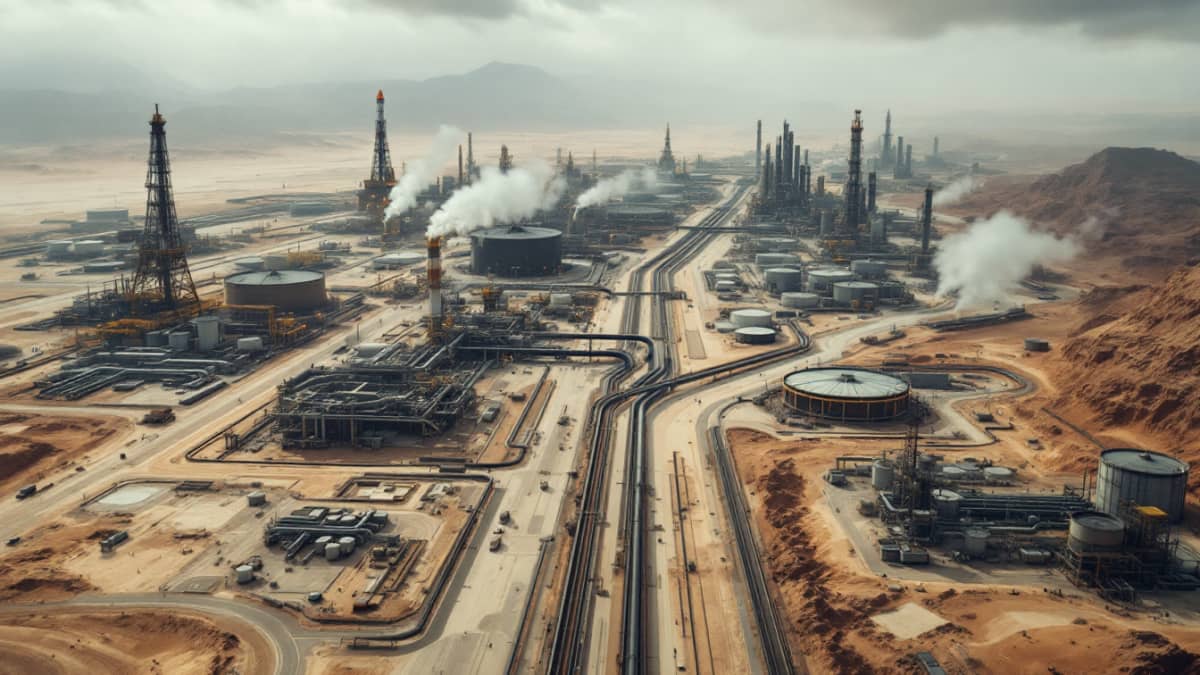
Unlike global trends pushing renewable energy, the US Export-Import Bank plans to spend $100 billion supporting fossil fuel projects in Egypt, Pakistan, and Europe.
Under new leadership, the agency has shifted sharply away from renewables, aligning with Donald Trump’s energy dominance agenda announced in 2025.
This move isn’t simply about dollars but about leveraging geopolitical energy systems as strategic infrastructure channels.
Controlling energy exports creates leverage over global supply chains, not just market share.Why Betting Against Renewables Is a Strategic Repositioning
Conventional wisdom treats energy finance as a neutral play toward sustainability. That view misses the constraint shift driving US policy.
While Europe and China invest billions in renewables and grid modernization, the Export-Import Bank repositions constraints by financing established fossil projects in emerging markets.
This contrasts with strategic partnership models that emphasize newer technologies. Here, the leverage lever is controlling legacy fuel infrastructure—harder to replicate and deeply embedded.
Systems thinking reveals this is about shaping energy dependencies over decades rather than quick wins in renewables.How Backing Fossil Fuels Outside the US Creates Leverage
The agency’s focus on Egypt, Pakistan, and parts of Europe maps onto key chokepoints in global oil and gas supply.
Unlike direct US market moves limiting leverage to domestic consumers, this approach locks in long-term contracts, infrastructure, and influence over energy flows in strategically vital regions.
Competitors like the European Investment Bank leapfrog toward renewables but face decarbonization uncertainty. The Export-Import Bank creates a compounding advantage by anchoring fossil fuel dependency before transitions mature.
That mirrors how strategic alliances in finance lock in partners when markets are nascent—making exits costly and influence durable.
What This Means for US Energy Dominance and Global Leverage
The real constraint repositioned here is access. By funding fossil infrastructure abroad, the Export-Import Bank multiplies US influence without direct ownership.
Other nations with less political will or legacy fossil assets must rebuild energy systems from scratch, a slow process with regulatory drag.
Emerging markets dependent on US-backed energy face locked-in systems, enabling the US to leverage geopolitical choices over decades.
Any competitor trying to reverse this must match or exceed this automation of influence through infrastructure—an order of magnitude harder than financing renewables briefly.
Energy infrastructure is not just power—it's political power that compounds with every megawatt built.Related Tools & Resources
Strategic leverage in global markets requires not just insight but also connection. For businesses and leaders aiming to expand their influence and forge key partnerships in sectors like energy infrastructure, Apollo's B2B sales intelligence offers a powerful advantage. Access to comprehensive contact data and prospecting tools means you can identify and engage the right stakeholders to turn strategic energy investments into actionable business growth. Learn more about Apollo →
Full Transparency: Some links in this article are affiliate partnerships. If you find value in the tools we recommend and decide to try them, we may earn a commission at no extra cost to you. We only recommend tools that align with the strategic thinking we share here. Think of it as supporting independent business analysis while discovering leverage in your own operations.Frequently Asked Questions
Why is the US Export-Import Bank focusing $100 billion on fossil fuel projects abroad?
The US Export-Import Bank plans to spend $100 billion supporting fossil fuel projects in countries like Egypt, Pakistan, and parts of Europe to leverage geopolitical energy systems and create long-term influence over global energy supply chains, aligning with a strategic energy dominance agenda.
How does backing fossil fuels abroad create geopolitical leverage?
Funding fossil fuel infrastructure in key regions locks in long-term contracts and energy dependencies, enabling the US to exert strategic control over vital supply chains and multiply its global influence without owning the assets directly.
What is the significance of the Export-Import Bank's shift away from renewables?
The Export-Import Bank’s shift from renewables to fossil projects reflects a constraint shift in US policy, favoring legacy infrastructure that is harder to replicate and provides durable geopolitical influence compared to more uncertain renewable investments.
Which countries are the primary beneficiaries of the Export-Import Bank's fossil fuel financing?
Egypt, Pakistan, and parts of Europe are the primary regions where the Export-Import Bank finances fossil fuel projects, focusing on strategic chokepoints in global oil and gas supply needed for sustained leverage.
How do US fossil fuel investments compare with Europe's clean energy investments?
While Europe and China invest billions in renewables and grid modernization, the US Export-Import Bank concentrates on fossil fuels abroad, gaining a compounding advantage by locking in fossil dependencies before renewable transitions mature.
What role does energy infrastructure play in US geopolitical strategy?
Energy infrastructure acts as political power; by supporting fossil fuel projects abroad, the US compounds its influence with every megawatt built, controlling access and shaping energy dependencies over decades.
Why is reversing fossil fuel dependencies in emerging markets challenging?
Emerging markets reliant on US-backed fossil infrastructure face locked-in systems that are costly and slow to change due to regulatory hurdles, making it much harder for competitors to automate influence or finance renewable alternatives quickly.
How does the concept of strategic alliances relate to energy financing?
Strategic alliances in finance lock in partners during nascent market stages, making exits costly and influence durable; similarly, fossil fuel financing abroad creates long-term dependencies that amplify geopolitical leverage.