
Changan Auto Joins China’s Push Into Humanoid Robotics Sector

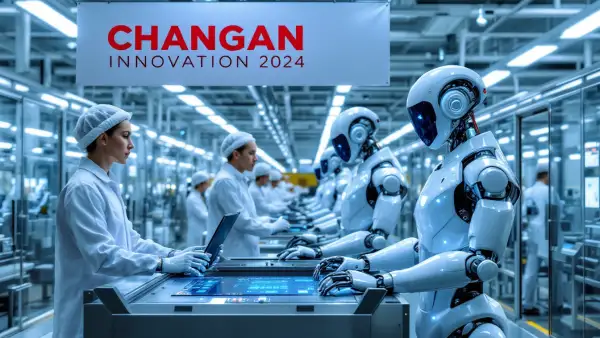
The Chinese auto industry, long known for automation in manufacturing, is now aggressively moving into humanoid robotics. Changan Automobile, a Shenzhen-listed state-owned company, recently announced a US$31.8 million investment for a 50% stake in Changan Tianshu Intelligent Robotics Technology. This is part of a broader trend following leaders like Tesla, despite Beijing’s warnings of a potential investment bubble in this space.
But the real story isn’t the investment per se—it’s how Chinese carmakers are leveraging their existing automation strengths to shift into humanoid robotics, turning factory robotics expertise into scalable AI-powered systems. China’s robotics push reveals the strategic power of leveraging manufacturing systems to accelerate innovation beyond traditional constraints.
Applying factory automation know-how to humanoid robotics unlocks compounding advantages that competitors relying on fresh starts lack. Changan cuts development risk by building on infrastructure and expertise used to automate millions of vehicles annually. This leverages decades of process data, supply chains, and hardware know-how.
The biggest leverage is combining industrial scale with humanoid robotics innovation to bypass years of costly R&D and create unprecedented production momentum.
Why Betting Big on Humanoids Challenges Conventional Tech Wisdom
Conventional wisdom views humanoid robotics as a futuristic, high-risk bet better suited for Silicon Valley startups or specialized robotics companies. The idea that a traditional carmaker can pivot into humanoids sounds like distraction or hype.
Yet the manufacturing robotics systems laid the groundwork for this leap. Changan and peers don’t start from zero; they transfer existing automation processes—robotic arms, AI vision, sensor networks—into humanoid robotics platforms. That repositions the primary constraint from hardware development to system integration and software sophistication.
Unlike legacy tech firms that invest billions starting from software layers without factory systems, or startups burning cash on prototypes, Chinese automakers hold a unique asset: scalable, real-world manufacturing infrastructure.
Translating Manufacturing Scale Into Robotics System Moats
Changan is locking in leverage by acquiring a 50% stake in a specialized robotics entity. This provides an ecosystem to build humanoid robots that can eventually automate multiple industries—from logistics to consumer services.
Building humanoid robotics from scratch requires mastering mechanics, AI, sensors, and integration. Changan shortcuts this by layering these on a proven hardware production line and a vast supplier network. For example, their factory already operates >100,000 industrial robots, creating skills and data assets unmatchable for new entrants.
This positions Changan to drop per-unit development costs dramatically compared to Silicon Valley startups. Leveraging tried-and-tested mechanical components reduces hardware failures while deploying software innovations faster.
What Chinese Policymakers’ Warnings Reveal About Investor Constraints
Beijing warns of an investment bubble in humanoid robotics. That’s a signal about capital constraints, not technology readiness. The leverage lies in navigating funding with a strong industrial backbone to pace investments prudently.
Compared to pure-play robotics startups, Changan blends steady manufacturing cash flow with innovation investments—aligning resource allocation with production ramp-up timelines.
Policymakers’ caution underscores that tech leverage is not just innovation but balancing systemic risks in capital and supply chains. Investors withdrawing from speculative tech find less risk in firms with industrial moats.
The Strategic Move to Watch and Its Future Impact
Changan’s move signals the critical constraint shift: from hardware invention to system scale and production efficiency. Operators should watch how this investment expands to integrate software AI, human-machine collaboration, and logistics automation.
Countries with strong manufacturing sectors and ecosystem depth, like China, gain a structural advantage in humanoid robotics over regions focusing purely on software innovation without hardware scale.
China’s auto-to-robotics transition will redefine competitive positioning in robotics innovation—winning requires controlling the full stack, from factory floors to AI cognition.
Leverage comes from embedding new tech into proven systems, not chasing isolated breakthroughs.
Related Tools & Resources
For businesses in the manufacturing sector looking to pivot towards robotics and automation like Changan Auto, platforms such as MrPeasy can streamline manufacturing management processes. By integrating tools that enhance production planning and inventory control, companies can align their operational efficiencies with innovative advancements in humanoid robotics. Learn more about MrPeasy →
Full Transparency: Some links in this article are affiliate partnerships. If you find value in the tools we recommend and decide to try them, we may earn a commission at no extra cost to you. We only recommend tools that align with the strategic thinking we share here. Think of it as supporting independent business analysis while discovering leverage in your own operations.
Frequently Asked Questions
What investments has Changan Automobile made in humanoid robotics?
Changan Automobile recently announced a US$31.8 million investment for a 50% stake in Changan Tianshu Intelligent Robotics Technology, marking a significant move into the humanoid robotics sector.
How are Chinese carmakers leveraging their manufacturing expertise in robotics?
Chinese carmakers like Changan leverage existing automation strengths, including factory automation systems and decades of process data, to develop humanoid robotics platforms more efficiently than startups starting from zero.
Why is humanoid robotics considered a high-risk venture traditionally?
Humanoid robotics is often viewed as a futuristic, high-risk project suited for specialized startups due to expensive R&D and complex hardware and software integration challenges, making it hard for traditional firms to pivot into without a manufacturing base.
What advantages do Chinese automakers have over startups in humanoid robotics?
Chinese automakers possess scalable manufacturing infrastructure, experience with over 100,000 industrial robots in factories, and strong supplier networks, enabling them to lower development costs and accelerate innovation compared to startups.
What warnings have policymakers issued about investments in humanoid robotics?
Policymakers, particularly in Beijing, have warned about an investment bubble in humanoid robotics, highlighting capital constraints rather than technology readiness; firms with strong industrial backbones like Changan can better pace investments responsibly.
How does Changan's investment strategy balance innovation and manufacturing?
Changan blends steady manufacturing cash flow with innovation investments by acquiring stakes in specialized robotics entities, allowing them to align resource allocation with production ramp-up timelines and system integration.
What is the significance of combining industrial scale with humanoid robotics innovation?
Combining industrial scale and humanoid robotics innovation enables firms to bypass years of costly R&D, create unprecedented production momentum, and dramatically drop per-unit development costs.
How does China’s manufacturing depth impact its competitive position in robotics?
China's strong manufacturing sector and ecosystem depth give it a structural advantage in humanoid robotics, allowing firms to control the full tech stack from factory floors to AI cognition, unlike regions that focus solely on software innovation.