
How Adnoc's Bid for SEFE Trading Arm Shifts Global Energy Leverage

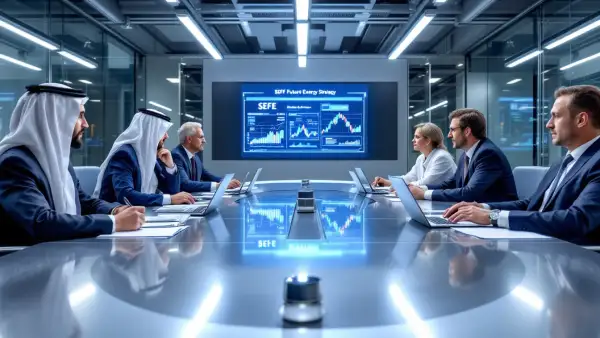
Germany’s national energy company SEFE is courting investors, including Abu Dhabi National Oil Co. (Adnoc), for the sale of its trading unit. This move takes place amid Germany’s strategic rethinking of state-held energy assets. But this transaction isn’t just about asset divestment—it’s a pivotal shift in who controls energy flow mechanisms across European markets. Control over trading infrastructure redefines influence in energy supply chains.
Conventional Views Overlook the Geopolitical Leverage of Energy Trading
Industry watchers see Germany’s talks as a routine privatization case driven by fiscal necessity. They miss the underlying strategic level: energy trading units act as chokepoints in volatile supply chains. Owning or influencing these units lets operators optimize pricing and flow autonomously, unlike mere upstream production assets. This subtle repositioning of constraints is what shapes leverage rather than the headline sale price.
Germany’s state-led approach contrasts sharply with fragmented trading models in markets like the US and UK, highlighting a geographic nuance in asset control. See related analysis on US equity shifts exposing systemic market constraints.
Adnoc’s Move Unlocks Control Beyond Oil Fields
Adnoc is not just expanding production—it’s targeting the trading arm that aggregates, prices, and allocates energy products across Europe. This transaction would convert energy commodity flows into a self-reinforcing system. By owning the SEFE trading unit, it gains direct operational leverage in the trading ecosystem, reducing dependency on intermediaries and geopolitical bottlenecks.
Unlike competitors such as Shell or TotalEnergies that focus heavily on exploration and refining, Adnoc’s bid emphasizes lateral control in distribution systems. This shift signals a new playbook in energy strategy, moving control from resource ownership to infrastructure orchestration.
Parallel mechanisms appeared in tech; consider OpenAI’s platform approach where controlling distribution became more valuable than standalone AI models.
Why SEFE’s Trading Unit Represents a System-Level Advantage
The trading arm centralizes exposure to multiple energy forms (gas, oil, renewables) and hedges market volatility. Acquiring this unit rewires trading flows, integrating price-setting with strategic reserves and physical assets. This integration creates leverage that compounds—shaping energy prices and supply dynamically without constant human micromanagement.
By comparison, competitors often manage upstream and downstream assets in silos, limiting their ability to influence entire value chains. Germany’s option to sell this unit to Adnoc illustrates a leap in energy strategy, prioritizing control over volatility-handling systems, rather than just natural resources.
For further contrast, explore system fragility revealed in debt structures to see how constraints shape outcomes across sectors.
Energy Markets Will Follow Where Trading Control Flows
The key constraint shifting here is systemic control over energy price discovery and allocation, not just physical assets. Countries and companies that control trading hubs dictate supply chains and risk buffers. This transaction offers Adnoc a platform-level foothold to tap into Europe's energy flow without full upstream ownership burdens.
Operators must watch this move. It’s a blueprint for future energy leverage: owning the signal and logistics layer over commodity itself. Governments in Asia and Africa with emerging energy markets could replicate this by building centralized trading platforms linked to physical supply.
In energy, owning the flow is the new oil.
Related Tools & Resources
Understanding the dynamics of energy trading and the market volatility discussed is crucial for businesses looking to optimize their operational strategies. That's where Hyros comes into play—providing advanced ad tracking and analytics tools that help organizations make data-driven decisions and enhance their marketing performance, paralleling the strategic moves of companies like Adnoc in the energy sector. Learn more about Hyros →
Full Transparency: Some links in this article are affiliate partnerships. If you find value in the tools we recommend and decide to try them, we may earn a commission at no extra cost to you. We only recommend tools that align with the strategic thinking we share here. Think of it as supporting independent business analysis while discovering leverage in your own operations.
Frequently Asked Questions
What is the significance of Adnoc's bid for SEFE's trading arm?
Adnoc's bid for SEFE's trading arm represents a strategic shift from merely owning oil fields to controlling energy commodity flows across Europe, unlocking new leverage in the $100 billion energy market.
How does energy trading influence global energy supply chains?
Energy trading units serve as chokepoints in volatile supply chains, allowing owners to optimize pricing and flow autonomously, creating leverage beyond upstream production assets.
Why is Germany selling the SEFE trading unit?
Germany is pursuing a strategic rethinking of state-held energy assets, considering privatization to prioritize control over energy flow mechanisms rather than just physical resource ownership.
How does Adnoc's approach differ from companies like Shell or TotalEnergies?
Unlike Shell and TotalEnergies that focus on exploration and refining, Adnoc targets lateral control in distribution and trading infrastructure, emphasizing infrastructure orchestration over resource ownership.
What advantages does owning a trading arm like SEFE's provide?
Owning SEFE's trading arm centralizes exposure to multiple energy types and integrates price-setting with strategic reserves, enabling dynamic energy price shaping with reduced dependency on intermediaries.
How might this transaction impact global energy markets?
The deal could reshape systemic control over energy price discovery and allocation in Europe, offering Adnoc a platform-level foothold affecting supply chains and geopolitical risk buffers.
Can other countries replicate this trading control strategy?
Yes, emerging energy markets in Asia and Africa may build centralized trading platforms linked to physical supply, following Adnoc's blueprint for owning trading flow over upstream assets.
What role does trading infrastructure play in energy geopolitics?
Trading infrastructure acts as a strategic chokepoint influencing energy flow, pricing, and supply chain leverage, making control over it a key factor in global energy strategy beyond resource ownership.