
How Around 90% of Renewables Became Cheaper Than Fossil Fuels Worldwide

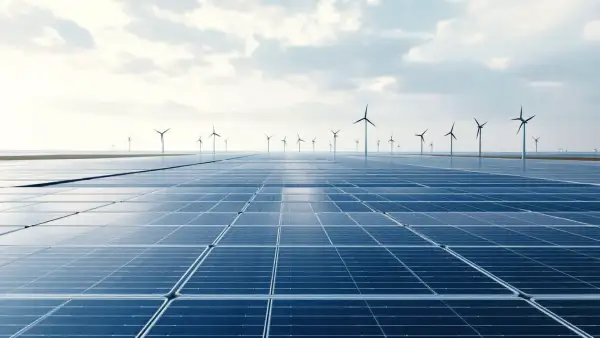
Renewable energy costs have dropped below fossil fuels for about 90% of global capacity, shifting how energy is produced and consumed worldwide. The International Renewable Energy Agency (IRENA) reported this massive cost inversion in July 2025, marking a decisive economic turning point.
This shift is a reflection not just of falling prices but of a leverage mechanism in energy infrastructure—where renewables are no longer a marginal addition but a foundational system rewiring markets.
By embedding renewables at scale, countries unlock cascading advantages like lower energy costs, higher grid stability, and decreased supply-chain volatility.
“Renewables’ cost advantage reshapes energy production’s economic constraints everywhere.”
Rejecting the Fossil Fuel Cost Myth: It’s About Systemic Constraints, Not Just Prices
Conventional wisdom treats fossil fuels as baseline cheap energy, with renewables priced as a premium alternative requiring subsidies. IRENA’s data upends that by revealing a deeper economic shift: renewables circumvent geological, political, and price volatility constraints that fossil fuels cannot.
This is constraint repositioning applied to energy — where controlling the energy supply architecture now means owning a scalable, predictable cost structure rather than a scarce commodity.
Countries heavily reliant on fossil fuel imports, like many in Africa or South Asia, cannot compete with renewables’ declining cost because they bear external volatility and logistics risks fossil systems embed.
How Renewables Scale Leverage Through Infrastructure and Automation
Renewable projects stack modularly and scale quickly thanks to automation and digital system management. Unlike fossil fuel plants, which require complex fuel logistics, renewable infrastructures like solar farms and wind turbines present system design advantages.
For example, nations like Chile and India have deployed solar and wind at scale with falling installation costs and operational expenses below fossil alternatives. This unlocks compounding leverage as infrastructure payback times shrink and reinvestment accelerates capacity growth.
Contrast this with typical fossil fuel plants, where fuel costs represent a fixed multi-year expense bound to energy price fluctuations.
Unlike legacy technologies, renewables contribute to a grid infrastructure that reduces human intervention, performing autonomously through smart grid integrations.
Which Countries Can Replicate This Energy Leverage Model?
Emerging markets with high fossil imports and abundant sunlight or wind are uniquely positioned to leapfrog traditional fossil infrastructure constraints. Governments that align policy and investment around renewables can harness this system redesign to lower national energy costs sustainably.
This also alters geopolitical leverage; fossil fuel exporters face shrinking demand, while importers build energy sovereignty.
Policymakers should focus on integrating renewables with advanced grid automation and storage, as seen in Egypt’s smart grid rollout, to maximize these compounding advantages.
“Energy systems that automate and own their supply chain dominate economic outcomes.”
From Cost Comparison to Strategic Constraint Control
This isn’t just a price story but a demonstration of how energy markets evolve when constraint management shifts. Countries controlling renewable deployment gain systemic advantages in stability, cost control, and scale that fossil fuel economies can’t easily replicate.
This dynamic parallels OpenAI’s scaling of ChatGPT, where infrastructure design dictates leverage more than raw input costs.
Investors and governments must reconsider energy strategies through this lens to avoid becoming stranded in fading fossil fuel leverage. Embracing renewables as a platform infrastructure is the path to winning tomorrow’s energy economy.
Related Tools & Resources
As countries transition towards renewable energy and efficient infrastructure, tools like MrPeasy can support manufacturing management by optimizing production planning and inventory control. For businesses looking to implement scalable solutions in line with the insights shared in this article, leveraging platforms like MrPeasy can enhance operational efficiency amidst evolving energy landscapes. Learn more about MrPeasy →
Full Transparency: Some links in this article are affiliate partnerships. If you find value in the tools we recommend and decide to try them, we may earn a commission at no extra cost to you. We only recommend tools that align with the strategic thinking we share here. Think of it as supporting independent business analysis while discovering leverage in your own operations.
Frequently Asked Questions
How much of the renewable energy capacity is now cheaper than fossil fuels worldwide?
About 90% of global renewable energy capacity has costs lower than fossil fuels, according to the International Renewable Energy Agency (IRENA) in 2025. This marks a significant shift in global energy economics.
What factors contribute to renewables being cheaper than fossil fuels?
Renewables benefit from falling prices, automation, modular infrastructure, and avoidance of fuel price volatility. Countries like Chile and India show how lowered installation and operational costs enhance renewables’ leverage.
Why can renewables offer more stable energy costs compared to fossil fuels?
Renewables avoid the geological and price volatility constraints fossil fuels face, such as fluctuating fuel costs and supply-chain risks. This systemic advantage leads to more predictable, scalable costs.
Which countries are best positioned to benefit from renewable energy’s cost advantages?
Emerging markets with high fossil fuel imports and abundant sunlight or wind—such as many in Africa and South Asia—can leapfrog traditional fossil systems by adopting renewables at scale.
How does renewable energy infrastructure scale compared to fossil fuel plants?
Renewable projects scale modularly with automation and digital management, allowing quick expansion and shorter payback times, unlike fossil fuel plants bound by complex fuel logistics and fixed multi-year fuel costs.
What role does automation play in renewable energy systems?
Automation and smart grid integrations reduce human intervention in energy supply, enhancing grid stability and operational efficiency, as seen in Egypt’s smart grid rollout that cut energy bills by 40%.
How does the shift to renewables affect geopolitical energy dynamics?
As fossil fuel exporters face shrinking demand, importers build energy sovereignty by controlling scalable, predictable renewable energy supplies, disrupting traditional energy geopolitics.
What should policymakers focus on to maximize the benefits of renewable energy?
Policymakers should integrate advanced grid automation and storage systems with renewables, supporting lower national energy costs and higher system stability as demonstrated by successful deployments globally.