
How Australia Surged To Record Beef Exports Despite US Tariffs

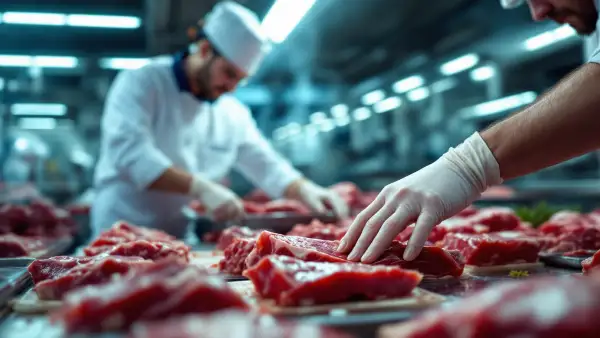
US tariffs typically cripple foreign exporters by raising costs. Yet, Australia's beef exports hit record highs in 2025 despite sustained Trump-era tariffs. Meat & Livestock Australia reports strong demand driven by no rebuild in the American cattle herd. Export success here reflects supply-side constraints shaping global trade flows.
Conventional wisdom sees tariffs purely as blunt cost barriers cutting export volumes. They're wrong—it’s really about how supply constraints shift bargaining power between producers and buyers. Debt system fragility like in Senegal shows external shocks often reveal internal constraints that define who wins. Here, the US herd’s slow recovery reroutes demand to Australia’s well-scaled supply chain, effectively neutralizing tariffs’ deterrent effect.
Australia’s beef exporters leveraged herd scarcity in the US, maintaining production and capacity unmatched by competitors in Brazil and Argentina. Unlike them, Australia’s regulatory environment and logistics systems allow rapid scaling to meet sustained foreign demand without jumping tariff costs. US consumers pay a premium, but the elastic supply-side lever enables Australian exporters to thrive.
This contrasts with other exporters who depend on cutting prices under tariff pressure. For example, Brazilian beef exporters struggled to regain footing after tariffs due to transport bottlenecks and slower herd rebuilds. Australia’s vertically integrated supply chain and strong export infrastructure work without constant human intervention, letting volume climb efficiently over years despite trade barriers. This operational resilience is their real leverage point.
Looking ahead, this dynamic shifts the constraint in US beef markets from tariffs to supply scarcity. Australian exporters have positioned themselves behind this structural advantage, locking in long-term contracts and capturing share from domestic suppliers. Other exporting countries with less integrated systems must rethink infrastructure to compete. This mechanism—where supply constraints absorb tariff impacts—will redraw global meat trade maps over the next decade.
Supply scarcity reframes trade barriers into opportunities for those with scalable systems.
See also how system fragilities shape market power and how operational shifts affect pricing levers.
Related Tools & Resources
For beef exporters looking to optimize their production and supply chain management in the face of global trade challenges, platforms like MrPeasy can streamline operations and enhance efficiency. With smart inventory control and production planning, you'll be well-equipped to navigate the complexities highlighted in this article. Learn more about MrPeasy →
Full Transparency: Some links in this article are affiliate partnerships. If you find value in the tools we recommend and decide to try them, we may earn a commission at no extra cost to you. We only recommend tools that align with the strategic thinking we share here. Think of it as supporting independent business analysis while discovering leverage in your own operations.
Frequently Asked Questions
How did Australia achieve record beef exports in 2025 despite US tariffs?
Australia leveraged supply-side constraints such as the slow US cattle herd rebuild and its own scalable supply chain. This allowed Australian exporters to meet strong demand and maintain production despite Trump-era tariffs.
What role do US tariffs play in beef exports?
While US tariffs usually raise costs and reduce export volumes, Australia’s well-integrated supply chain and herd scarcity in the US neutralized tariffs’ deterrent effect, allowing record export volumes in 2025.
Why is the US cattle herd rebuild affecting global beef trade?
The slow recovery of the American cattle herd redirected demand towards countries like Australia with more scalable and resilient supply chains, reshaping global trade flows and giving Australian exporters a competitive edge.
How does Australia's beef export infrastructure compare to Brazil and Argentina?
Australia’s vertically integrated supply chain and strong export infrastructure enable rapid scaling and operational resilience, unlike Brazil and Argentina which face transport bottlenecks and slower herd rebuilds.
What challenges are Brazilian beef exporters facing post-tariffs?
Brazilian exporters struggle with transport bottlenecks and slower herd rebuilds, making it harder to regain export footing compared to Australia’s resilient and scalable systems.
How does supply scarcity impact US beef markets going forward?
The constraint in US beef markets is shifting from tariffs to supply scarcity, benefiting Australian exporters who have locked in long-term contracts and captured market share from domestic suppliers.
What should other exporting countries do to compete with Australia?
Exporters with less integrated systems must improve infrastructure and operational scalability to absorb tariff impacts and compete with Australia’s efficient supply chains.
What tools can beef exporters use to optimize supply chain management?
Platforms like MrPeasy offer smart inventory control and production planning to help beef exporters streamline operations and navigate complex global trade challenges efficiently.