
How Bill Gates and BlackRock Backed Water Made From Air

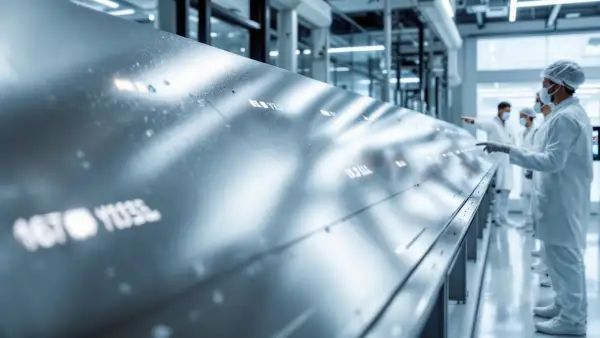
Water scarcity costs developing regions billions yearly, with access often tied to infrastructure limits. Bill Gates and BlackRock recently invested in a start-up developing hydropanels that generate water from thin air, reshaping water supply systems globally. This move isn’t about gadgetry but about creating a distributed, infrastructure-light water source that bypasses traditional supply constraints. “Leverage lives in solving scarcity by redesigning the flow, not just fixing the tap.”
Why Relying on Traditional Water Supply Underestimates Constraints
Conventional wisdom treats water scarcity as a problem of pipeline capacity or scarcity of natural sources. Investors often back large-scale water infrastructure projects tied to geography or municipalities. They overlook how hydropanels convert humidity directly into potable water, sidestepping physical water infrastructure. This is a clear example of constraint repositioning, where the fundamental limitation isn't water availability but distribution networks.
The investments by Bill Gates and BlackRock highlight a bet on unlocking that constraint. Instead of chasing pipeline extensions or water reservoirs, this approach creates leverage through localized, autonomous water generation.
How Hydropanels Create a Self-Sustaining Water System
The technology behind hydropanels uses solar energy to pull moisture from air, producing several liters of clean water daily without connecting to traditional infrastructure. This contrasts with alternatives like bottled water companies or desalination plants that depend on supply chains or energy-intensive facilities. Unlike governments focused on large dams, hydropanels scale at the unit level, allowing deployment in remote or urban areas with minimal setup.
This system operates without continuous human intervention, embodying true automation. Similar to how OpenAI scaled ChatGPT to billions through infrastructure scaling rather than manual curation (source), hydropanels scale water distribution through replicable, independent units.
Why This Investment Changes the Playbook on Water Scarcity
By shifting the constraint from centralized water production to ambient moisture capture, Bill Gates and BlackRock reposition the water scarcity challenge. This unlocks opportunities in regions where water infrastructure expansion is slow or prohibitively expensive—such as arid zones in Africa and parts of Asia. It signals a leap from old paradigms based on conveyance and storage toward an infrastructure-as-product mindset.
Operators focused on system design should study this move closely. It exemplifies how leveraging natural environmental inputs with automation redefines resource availability, a concept applicable beyond water to energy and data logistics. For a comparable playbook, see how dynamic work charts reshape organizational leverage by redesigning constraints rather than adding headcount.
Where This Leverage Leads Next
The key constraint flipped is infrastructure dependency for water access. As hydropanels proliferate, we expect emerging markets and remote areas—where traditional infrastructure is fragile—to lead adoption. Climate change will increase the value of such autonomous systems, making this not only a sustainability play but a business model with compounding returns through volume deployment.
Leaders must recognize this as a strategic move toward embedded automation in essential resources. Water made from air is no longer science fiction but a replicable system disrupting billion-dollar infrastructure industries. “True leverage comes from shifting how resources flow, not just scaling existing pipelines.”
For more on strategic constraint shifts that drive growth, explore hidden profit lock-in constraints in tech and carbon removal leverage that parallel these system redesigns.
Related Tools & Resources
In an era where innovative solutions like hydropanels are transforming resource management, utilizing an all-in-one marketing platform such as Brevo can enhance your outreach and engagement efforts. By effectively communicating the advantages of autonomous water generation systems, tools like Brevo can help businesses raise awareness and drive adoption in remote and underserved markets. Learn more about Brevo →
Full Transparency: Some links in this article are affiliate partnerships. If you find value in the tools we recommend and decide to try them, we may earn a commission at no extra cost to you. We only recommend tools that align with the strategic thinking we share here. Think of it as supporting independent business analysis while discovering leverage in your own operations.
Frequently Asked Questions
What are hydropanels and how do they generate water?
Hydropanels are innovative devices that use solar energy to extract moisture from the air, producing several liters of clean drinking water daily without relying on traditional water infrastructure.
Why did Bill Gates and BlackRock invest in water-from-air technology?
They invested in hydropanels because this technology creates a distributed, infrastructure-light water source that bypasses traditional supply constraints, addressing water scarcity in developing and arid regions more effectively.
How does water-from-air technology differ from traditional water supply systems?
Unlike systems dependent on pipelines or reservoirs, hydropanels capture ambient humidity directly, sidestepping conventional infrastructure and enabling localized, autonomous water generation.
In which regions is hydropanel technology expected to have the most impact?
Hydropanels are expected to lead adoption in emerging markets and remote areas with fragile infrastructure, such as arid regions in Africa and parts of Asia where traditional water supply expansion is slow or costly.
How is hydropanel scalability compared to other water supply methods?
Hydropanels scale at the unit level, allowing deployment in various environments with minimal setup and without continuous human intervention, contrasting with energy-intensive desalination plants or large dams.
What strategic shift in water supply does hydropanel technology represent?
It shifts the constraint from centralized water production infrastructure to ambient moisture capture, creating leverage through natural environmental inputs and embedded automation in essential resources.
How does this investment influence approaches to water scarcity solutions?
This investment changes the playbook by focusing on constraint repositioning and infrastructure-as-product models, promoting sustainable, decentralized water access beyond traditional conveyance and storage methods.
Are there other sectors where similar constraint redesign strategies apply?
Yes, similar strategies apply beyond water to energy and data logistics, as well as organizational growth methods like dynamic work charts that redesign constraints rather than merely adding resources.