
How Black Sea and US Gulf Oil Flow Drops Shake Global Supply Chains

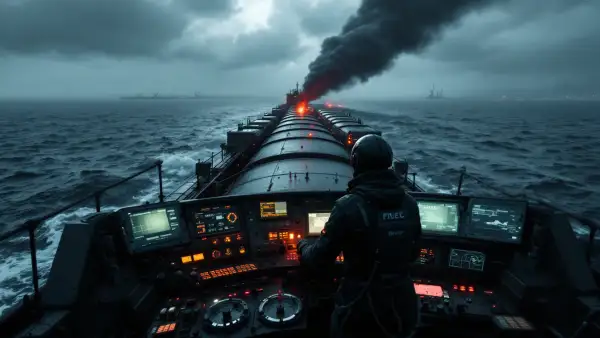
Seaborne oil flows worldwide took a sharp hit last month, led by deep declines from Russian Black Sea ports and the US Gulf. Russian maritime exports plunged amid geopolitical constraints while US Gulf shipments fell, disrupting global oil logistics in November 2025. This isn’t just a volume issue—it reveals fragility in key chokepoints that automate energy supply chains through limited routes. “Control of strategic export hubs defines leverage over global markets,” as seen here in real time.
Why volume drops don’t tell the full story
Conventional analysis treats falling seaborne flows as simple demand shocks or weather-related hiccups. This misses the structural leverage of port access and route dependencies shaping oil movement. For example, the Black Sea’s decline is less about Russian crude volumes and more about the operational constraints on navigable corridors, a bottleneck often invisible in raw flow stats. This constraint repositioning changes how operators approach supply management, as explained in Why S Ps Senegal Downgrade Actually Reveals Debt System Fragility.
Similarly, US Gulf reductions reflect policy shifts and infrastructure reach limits rather than pure export intention drops. Unlike competitors who diversify crude exit points, these systems operate on legacy chokepoints that multiply risk. OpenAI scaled ChatGPT by designing for distributed load instead of new hardware—oil lacks this analog, heightening choke sensitivity.
How constrained export systems amplify supply shocks
Oil flow systems rely heavily on concentrated port networks: the Black Sea ports dominate Russian exports, and the US Gulf holds 70% of US crude shipped overseas. When these hubs face disruption, volumes don’t just drop—they cascade through refining pipelines and storage capacity globally. This is leverage at a system level, where physical chokepoints limit automatic reroutes and create compound delays.
Alternatives like diversified pipelines or rail logistics remain underutilized because the upfront capital and operational shifts are immense. Competitors in the Middle East invest in flexible terminal networks; Russia and the US have entrenched port dependencies that freeze flow responsiveness and magnify market swings.
What operators should watch and do next
The true constraint is not crude supply, but export infrastructure rigidity. Shippers, refiners, and commodity traders must adjust growth models to factor in port access variability—not just crude availability. This enables better hedging and operational pivots that work without constant crisis management, a theme resonant with Why Wall Street’s Tech Selloff Actually Exposes Profit Lock-In Constraints.
This situation offers a leverage lesson for other heavy-asset industries: system bottlenecks can silently govern entire market dynamics. Regions dependent on singular export hubs should consider the strategic payoff from distributed infrastructure, following models similar to tech scaling seen at OpenAI or even the logistics adaptations by Amazon.
“When chokepoints are overlooked, global markets pay compounded costs unseen in headline figures.”
Related Tools & Resources
For manufacturers navigating the complexities of supply chain disruptions highlighted in this article, MrPeasy offers a robust ERP solution tailored to manage production planning and inventory. This aligns with the strategic need for operational flexibility to mitigate risks associated with reliance on limited export infrastructures. Learn more about MrPeasy →
Full Transparency: Some links in this article are affiliate partnerships. If you find value in the tools we recommend and decide to try them, we may earn a commission at no extra cost to you. We only recommend tools that align with the strategic thinking we share here. Think of it as supporting independent business analysis while discovering leverage in your own operations.
Frequently Asked Questions
What caused the sharp decline in oil flows from the Black Sea and US Gulf in November 2025?
Oil flows dropped sharply due to geopolitical constraints affecting Russian Black Sea ports and policy shifts limiting US Gulf shipments. These chokepoints disrupted global oil logistics beyond simple volume declines.
Why are port chokepoints critical to global oil supply chains?
Port chokepoints like those in the Black Sea and US Gulf represent concentrated export hubs. Disruptions here cascade through refining pipelines and global storage, amplifying supply shocks with limited reroute options.
How much of US crude exports rely on the US Gulf ports?
Approximately 70% of the United States' crude oil shipped overseas is exported through the US Gulf ports, making this region a significant chokepoint in US oil logistics.
How do structural constraints differ from volume drops in oil export analysis?
Structural constraints involve operational limitations and limited navigable routes, not just decreases in crude volumes. For example, Black Sea declines were more about corridor bottlenecks than pure volume reduction, affecting supply management strategies.
What lessons can other industries learn from these oil supply chokepoints?
Heavy-asset industries should note that system bottlenecks govern market dynamics silently. Diversifying infrastructure, akin to tech scaling by OpenAI or logistics by Amazon, can reduce risk from single export hubs.
Why haven't alternatives like pipelines or rail logistics been widely adopted to ease oil flow constraints?
Alternatives such as diversified pipelines or rail logistics require significant capital and operational changes. Many systems remain dependent on entrenched port chokepoints due to these demanding upfront investments.
What should operators do to mitigate risks from port access variability?
Operators need to factor in export infrastructure rigidity and port access variability when planning growth and hedging strategies. This approach reduces crisis-driven reactions and improves operational flexibility.
How do US Gulf export limitations differ from competitors?
Unlike competitors that diversify crude exit points, the US Gulf relies heavily on legacy chokepoints, which increases risk and reduces responsiveness to disruptions in oil exports.