
How China Could Reclaim Trade Leverage with Red Sea Shipping

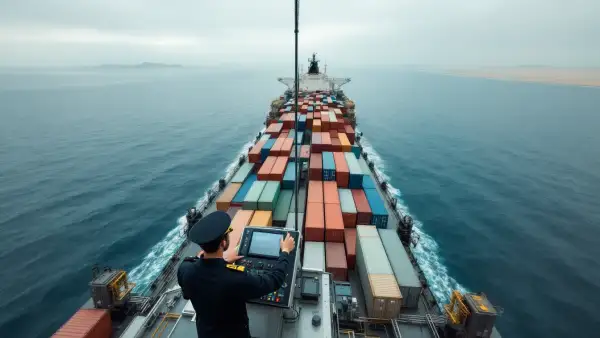
Shipping detours through Africa's Cape of Good Hope cost cargo operators up to 7 extra days and tens of millions per voyage. China relies heavily on securing fast, reliable maritime routes to maintain its export dominance in Europe and beyond.
In November 2025, Houthi rebels in Yemen indicated they would pause attacks on commercial ships in the Red Sea if a ceasefire in Gaza holds. This could restore a critical maritime artery linking Asia and Europe.
But this is not just about opening a shipping lane—it's about resetting logistical constraints that have inflated costs and stretched supply chains for two years.
Faster shipping lanes compound economic advantages — controlling chokepoints means controlling costs and markets.
Rethinking the Red Sea: It’s Not Just About Security
Conventional analysis treats the reopening of the Red Sea as a political or security event. Experts celebrate the potential for cost savings and faster delivery.
They overlook how this shift changes constraint positioning—the real system bottleneck leveraged to gain competitive advantage in global trade.
Shipping companies and exporters have been forced to use longer, costlier routes around southern Africa, stretching fuel, labor, and time resources.
This forced inefficiency isn't just a consequence of conflict; it became a strategic chokehold shaping supply chain resilience and cost structures.
For a deeper dive on how shifting constraints unmask risk and opportunity in global trade, see Why Bank Of America Warns China’s Monetary Aggregates Secretly Signal Risk and Why S Ps Senegal Downgrade Actually Reveals Debt System Fragility.
How China’s Trade Costs Balloon from Red Sea Disruptions
Rerouting cargo ships around Africa adds approximately 7-10 days per journey, increasing fuel consumption, ship leasing costs, and inventory holding expenses.
China's exports to Europe notably suffered from these inflated logistics costs, which industry reports estimate added hundreds of millions annually in incremental supply chain expenses.
By contrast, European and Middle Eastern traders relying on the Suez Canal faced significantly lower costs and faster transit times, preserving their competitive positioning.
This dynamic allowed competitors to arbitrage geographic advantages, underscoring how trade chokepoints exert outsized influence beyond mere distance.
Why Reopening the Red Sea Reconfigures Global Leverage
Restoring safe passage through the Red Sea shifts the key constraint from security disruptions back to physical infrastructure capacity and port efficiency.
China’s maritime operators can reclaim scale advantages by optimizing fleets for shorter routes, reducing idle time, and accelerating inventory turnover.
Unlike competitors tied to longer routes, Chinese exporters achieve lower capital lock-up and higher frequency shipments—core leverage points in logistics economics.
In this light, the ceasefire offer from Houthi groups becomes a leverage inflection, compressing trade friction without new infrastructure investment.
This contrasts with companies that focus purely on tactical firepower or political lobbying, missing how constraint repositioning quietly drives compounding advantages.
For how OpenAI scaled user growth by flipping operational constraints, see How Openai Actually Scaled Chatgpt To 1 Billion Users.
Which Regions Should Watch This Playbook Next?
Countries dependent on chokepoint routes—like Singapore and Egypt—must consider how geopolitical disruptions shift their own leverage.
Maintaining infrastructure flexibility to adapt to emerging constraints is a vital competitive edge.
The Red Sea reopening signals a broader lesson: controlling or influencing key logistics constraints rewrites regional trade dynamics.
Supply chains that secure the shortest, safest routes compound operational advantages faster and with less human intervention.
Related Tools & Resources
As supply chain efficiency becomes a critical factor in regaining trade leverage, tools like MrPeasy can assist manufacturers in optimizing their production and inventory management. By leveraging its cloud-based ERP solutions, businesses can enhance production planning and streamline operations, ultimately reclaiming competitive advantages in the evolving market landscape. Learn more about MrPeasy →
Full Transparency: Some links in this article are affiliate partnerships. If you find value in the tools we recommend and decide to try them, we may earn a commission at no extra cost to you. We only recommend tools that align with the strategic thinking we share here. Think of it as supporting independent business analysis while discovering leverage in your own operations.
Frequently Asked Questions
How do Red Sea disruptions impact China’s trade costs?
Rerouting cargo ships around Africa’s Cape of Good Hope adds approximately 7-10 days per journey, increasing fuel consumption, ship leasing, and inventory holding costs. These disruptions have inflated China’s logistics expenses by hundreds of millions annually, especially affecting exports to Europe.
Why is the Red Sea route important for global shipping?
The Red Sea offers a critical maritime artery linking Asia and Europe. Using this route reduces transit times by up to 7 days compared to the longer detour around Africa’s Cape of Good Hope, saving tens of millions of dollars per voyage in fuel and operational costs.
What does controlling shipping chokepoints mean for trade leverage?
Controlling chokepoints like the Red Sea allows countries or companies to manage logistics costs and market access effectively. It can create significant economic advantages by reducing delays, costs, and improving supply chain resilience.
How could a ceasefire in Gaza influence Red Sea shipping?
Houthi rebels have indicated they would pause attacks on commercial ships in the Red Sea if a ceasefire in Gaza holds. This development could restore safe passage through the Red Sea, improving trade flow and reducing costs for maritime operators.
What alternative routes have shipping companies used due to Red Sea instability?
Ships have rerouted via Africa's Cape of Good Hope, adding an extra 7 to 10 days per trip. This longer route increases fuel use, leasing costs, and inventory expenses, raising overall supply chain costs significantly.
Which regions should monitor changes to the Red Sea shipping route?
Countries dependent on chokepoint routes like Singapore and Egypt should watch these developments closely. Changes to Red Sea access can shift regional trade dynamics and affect logistics leverage in these areas.
How can companies reclaim competitive advantages amid shipping disruptions?
Companies can optimize production and inventory management using cloud-based ERP tools like MrPeasy to enhance planning and streamline operations, helping to reclaim leverage despite logistical challenges.
What are the logistical benefits for China if the Red Sea reopens?
Reopening the Red Sea shortens shipping routes by up to 7 days, reduces idle time for fleets, lowers capital lock-up in inventory, and enables higher shipment frequency, enhancing China’s export competitiveness globally.