
How China Floods Global Markets With Unsellable Gasoline Cars

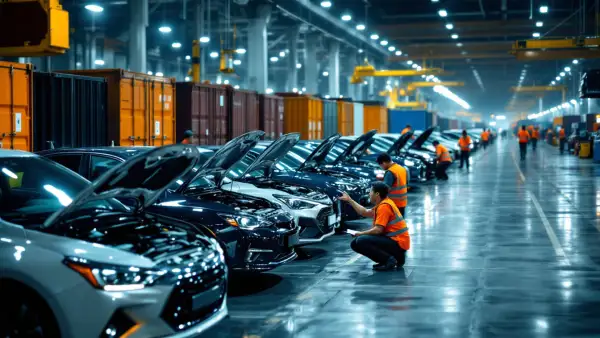
China's gasoline car exports have surged despite plummeting domestic demand, creating a paradox few understand. In 2025, Chinese manufacturers flooded markets in Southeast Asia, Africa, and Latin America with gasoline vehicles they can no longer sell at home. This move isn’t mere offloading—it’s a calculated system pivot exploiting global demand gaps and production scale. “China’s gasoline car glut positions it as the world’s low-cost carmaker, reshaping global auto supply chains.”
Conventional Wisdom Meets Constraint Repositioning
Industry observers chalk this up to China cutting losses from flagging internal sales. They miss the core: China is not just dumping inventory but repositioning a critical constraint—its manufacturing capacity—toward international markets hungry for affordable vehicles. This flips traditional resource allocation logic, relieving pressure on domestic congestion and simultaneously leveraging scale advantages.
Similar to how tech layoffs can expose operational leverage traps, China’s auto export surge reveals a production leverage play that most analysts overlook.
The Mechanism: Exporting Obsolescence as Advantage
Chinese gasoline cars can't meet rising domestic emissions standards or shifting consumer preferences toward electric vehicles, forcing OEMs to redirect output abroad. Unlike rivals such as Toyota and Hyundai that focus on innovation-driven electrification, China exploits deeply entrenched internal combustion engine lines to satiate markets underserved by EV infrastructure.
Exporting vehicles at large scale drops average unit costs and amortizes massive sunk capital. This strategy contrasts sharply with competitors spending heavily on R&D and EV supply chains, exemplifying asset leverage without innovation upgrades.
Global Impact and Systemic Ripple Effects
By exporting gasoline cars, China reshapes automotive ecosystems in emerging regions, locking in low entry-price points that undercut local manufacturing and pose barriers to EV adoption. This creates a constraint shift where infrastructure investments lag behind product availability, altering the strategic calculus for regional governments and automakers.
Stakeholders are advised to monitor this leverage shift, as China’s export-driven scale compresses margins and market share globally, despite appearing as a temporary inventory offload. This is not mere flooding—it’s supply chain dominance through volume and cost control.
For deeper context on constraint and leverage dynamics in international trade, see Why S&P’s Senegal Downgrade Actually Reveals Debt System Fragility and How Walmart Quietly Handed Leadership To Unlock Next Growth Phase.
Where This Leverage Leads Next
The key constraint China manipulates is consumer demand geography combined with regulatory pressure at home. By pivoting to exports, it sustains manufacturing output without retooling for electrification, preserving capital and production workflows.
Countries reliant on imported gasoline cars must reconsider their infrastructure strategies and industrial policies to avoid dependency on obsolescent technology. Meanwhile, manufacturers outside China face strategic pressure to accelerate EV scale or specialize in premium, differentiated products.
China’s export pivot exemplifies how systems repurpose constraints into multidimensional levers, not by inventing new products, but by repositioning existing capacity toward less advanced markets. The ripple effects redefine competitive dynamics for the next decade.
Related Tools & Resources
As China shifts its automotive strategy, manufacturers worldwide will need to reevaluate their production and inventory processes. This is where MrPeasy's manufacturing ERP solutions can provide critical support. By optimizing production planning and inventory control, MrPeasy enables small manufacturers to adapt quickly to market changes, helping them maintain competitiveness in an evolving global landscape. Learn more about MrPeasy →
Full Transparency: Some links in this article are affiliate partnerships. If you find value in the tools we recommend and decide to try them, we may earn a commission at no extra cost to you. We only recommend tools that align with the strategic thinking we share here. Think of it as supporting independent business analysis while discovering leverage in your own operations.
Frequently Asked Questions
Why has China increased its gasoline car exports despite declining domestic demand?
In 2025, China flooded markets in Southeast Asia, Africa, and Latin America with gasoline cars because domestic demand has plummeted due to stricter emissions standards and a shift toward electric vehicles. Exporting helps leverage their existing manufacturing capacity and reduce average unit costs.
Which regions are the main destinations for China’s gasoline car exports?
The primary markets receiving China’s gasoline car exports are Southeast Asia, Africa, and Latin America. These regions have less developed EV infrastructure, making them more reliant on affordable gasoline vehicles.
How does China’s export strategy affect the global automotive industry?
China’s export-driven scale compresses margins and market share globally by undercutting local manufacturers and delaying EV adoption in emerging markets. This creates supply chain dominance through volume and cost control rather than innovation.
What is the impact of China’s gasoline car exports on EV adoption in emerging markets?
By saturating these markets with low-cost gasoline cars, China creates barriers to EV adoption since local governments and consumers face less incentive to invest in EV infrastructure, slowing the transition to cleaner technologies.
How does China’s approach differ from competitors like Toyota and Hyundai?
While Toyota and Hyundai invest heavily in electrification and innovation, China leverages its entrenched combustion engine production lines to maintain output and capitalize on markets underserved by EV infrastructure, avoiding the heavy R&D costs.
What should manufacturers outside China do in response to this export pivot?
Manufacturers not based in China face pressure to accelerate EV production scale or focus on premium, differentiated products to remain competitive as China dominates gasoline vehicle supply through scale and cost advantages.
How does China repurpose its manufacturing constraints towards global markets?
China uses its production capacity constraint by shifting consumer demand geography to export markets, sustaining output without costly retooling for electrification, thus preserving capital and workflow efficiency.
What are the broader systemic effects of China's gasoline car exports?
The exports reshape automotive ecosystems in emerging markets, lock in low-price vehicles that hinder local manufacturing development, and alter strategic calculations of governments and automakers over the next decade.