
How Chow Tai Fook’s Rosewood Stays Untouchable Amid Debt Pressures

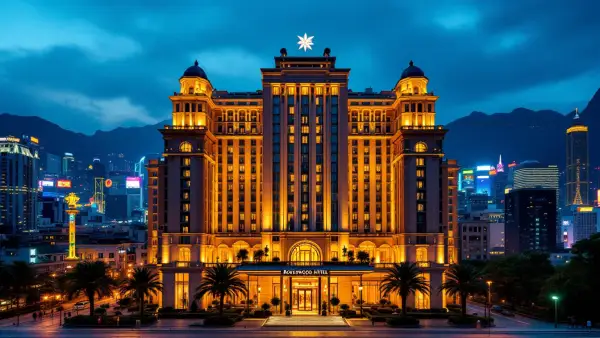
The global luxury hotel market is facing consolidation as debt pressures mount, yet Chow Tai Fook Enterprises (CTFE) boldly retains its Rosewood brand. Hong Kong-based CTFE, parent of debt-burdened New World Development, has no plans to sell this prized asset despite market rumors. This choice reveals a strategic restraint rooted in protecting a highly leveraged luxury hotel system. Holding valuable assets unlocks long-term compounding value beyond immediate cash needs.
Why Selling Luxury Assets Seems Logical—but Fails to Account for Systemic Leverage
Conventional wisdom says debt-laden conglomerates should divest non-core or underperforming assets to reduce liabilities. But CTFE's refusal defies that playbook. Rather than a simple financial squeeze, this is a move to preserve Rosewood’s unique brand leverage, which is a core driver of CTFE’s long-term wealth. Analysts miss that Rosewood combines brand goodwill with a scalable system of luxury properties, producing recurring high-margin cash flow.
This contrasts with firms that sell valuable brands as debt service mechanisms, often triggering value erosion. See why this differs from many tech layoffs that expose operational leverage failures (source).
How Rosewood’s Operating Model Amplifies Wealth Without Continuous Intervention
Rosewood’s near 30 properties operate as an integrated system, creating network effects—premium branding, loyalty economies, and strategic location advantages. This system drives price premiums and occupancy rates, reducing acquisition costs for new markets. Unlike hotel brands that sell franchising rights or close properties under debt pressure, Rosewood retains ownership and control, anchoring a leveraged growth platform.
In contrast, competitors like Accor or Marriott often dilute brand value through widespread franchising, limiting control over quality and revenue. CTFE's model creates compounding value from asset ownership rather than one-off monetization events. This approach reminds us why systems with durable control generate greater leverage, as observed with OpenAI’s scaled ChatGPT user base (source).
How Keeping Rosewood Reflects Constraint Shifts in Hong Kong’s Property and Luxury Markets
Hong Kong's real estate and luxury sectors face liquidity constraints intensified by geopolitical and economic shifts. CTFE’s decision signals a deeper understanding of which constraints truly limit value—liquidity versus strategic control. While selling Rosewood might ease short-term financial stress, it would also sacrifice structural leverage entrenched in brand uniqueness and asset synergy.
This approach reshapes how Asian conglomerates navigate property and hospitality challenges differently from western peers who prioritize asset-light strategies. It shares parallels with how dynamic work models unlock organizational leverage (source), recognizing that retaining critical assets enables compounding operational advantage.
The Strategic Advantage Behind Holding Versus Selling in High-Stakes Luxury Assets
The key constraint CTFE navigates is balancing immediate debt pressures with preserving long-term system value embedded in Rosewood’s brand and properties. This illustrates a broader principle: strategic asset retention can outperform short-term deleveraging when assets function as self-sustaining systems. For operators, this is a reminder to identify the true bottleneck—is it cost, capital, or ownership control?
Stakeholders in the luxury hospitality and real estate verticals must watch how CTFE’s levered system evolves. Markets that undervalue durable brand and asset control risk missing compounding value creation. Leveraged systems require guarding core assets, not dismantling them prematurely.
Related Tools & Resources
In the context of strategic asset retention like CTFE’s approach to the Rosewood brand, understanding the true value of your investments is paramount. This is where Hyros can redefine your marketing strategy, enabling businesses to track ad performance accurately and optimize spending effectively, ensuring you capitalize on the long-term system value of your brand. Learn more about Hyros →
Full Transparency: Some links in this article are affiliate partnerships. If you find value in the tools we recommend and decide to try them, we may earn a commission at no extra cost to you. We only recommend tools that align with the strategic thinking we share here. Think of it as supporting independent business analysis while discovering leverage in your own operations.
Frequently Asked Questions
Why is Chow Tai Fook Enterprises refusing to sell Rosewood despite debt pressures?
Chow Tai Fook Enterprises (CTFE) refuses to sell Rosewood because the brand represents a highly leveraged luxury hotel system that generates recurring high-margin cash flow, preserving long-term wealth beyond immediate financial needs.
How does Rosewood's operating model differ from other luxury hotel brands?
Rosewood operates nearly 30 integrated properties as a system that creates network effects like premium branding and loyalty economies, unlike competitors who often dilute brand value through franchising. CTFE maintains ownership and control, anchoring a leveraged growth platform.
What are the advantages of Rosewood's brand leverage for CTFE?
Rosewood's brand leverage drives price premiums, higher occupancy rates, and reduces acquisition costs for new markets, producing compounding value by owning assets rather than monetizing them in one-off sales.
How do Hong Kong's property and luxury market constraints influence CTFE's decision?
Liquidity constraints in Hong Kong's real estate and luxury sectors make selling Rosewood tempting, but CTFE prioritizes strategic control and long-term structural leverage over short-term financial relief.
How many properties does Rosewood currently operate?
Rosewood operates nearly 30 luxury properties globally, forming an integrated system that enhances brand value and operational leverage.
How does CTFE’s approach differ from western asset-light luxury hotel strategies?
Unlike many western peers focusing on asset-light franchising models, CTFE retains ownership and control, thus maintaining durable leverage by safeguarding brand uniqueness and asset synergy.
What is the key strategic lesson from CTFE’s retention of Rosewood?
The key lesson is that strategic asset retention can outperform short-term deleveraging when assets function as self-sustaining systems, balancing debt pressures with preserving long-term system value.
How does Rosewood’s system contribute to wealth compounding?
By integrating nearly 30 properties as a system, Rosewood creates network effects, loyalty economies, and price premiums that amplify wealth over time without continuous intervention.