
How Congress’s THC Limit Threatens the Hemp Drink Boom

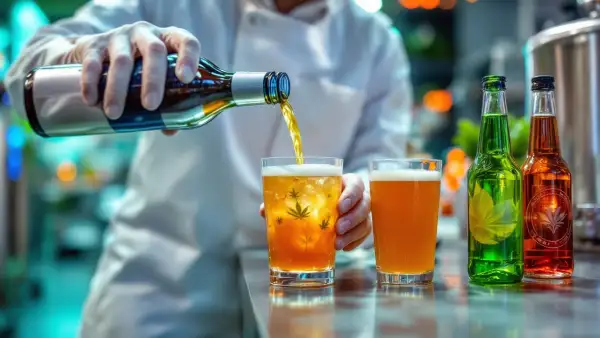
The zero-proof beverage trend was ignited by hemp-based THC drinks offering a legal buzz under the 2018 Farm Bill. But a recent federal spending bill slipped through by Senator Mitch McConnell caps THC in edibles and drinks at 0.4 milligrams, drastically below the 10 milligrams found in popular products. This regulation doesn’t just restrict doses—it restructures an entire industry’s legal foundation, forcing startups to rethink their core product leverage. Regulation that rewrites product constraints reshapes market ecosystems.
That 0.4 mg ceiling threatens companies like Artet, known for THC-infused spritzes and aperitifs, which embraced loose hemp laws to ride a wave where alcohol consumption is declining. But more broadly, this constraint forces a rethink of how hemp-derived THC brands position themselves amid shifting government policy and public safety concerns. This regulatory pivot exposes a leverage tension few saw coming.
Conventional Wisdom Collides With Regulatory Constraint
Entrepreneurs viewed hemp THC drinks as a loophole enabling national zero-proof buzz products outside marijuana-legal states. The common belief: federal hemp laws firmly protect products with under 0.3% THC, sparking innovation beyond booze. Wall Street’s tech selloff analysis reveals how the assumption of stable constraints often blindsides strategic moves. Here, the overlooked mechanism is how the government redefined the legal THC dosage constraint to break that innovation leverage.
This isn't traditional regulatory tightening over hemp farming or industrial uses, which McConnell assured remains untouched. It's a surgical cut targeting intoxicating and synthetic THC products disguised as hemp, invalidating the growth engine for THC beverage makers. That disrupts the entire zero-proof ecosystem that was banking on a ~25x higher THC content than now allowed.
Leverage Mechanism: Constraint as a Growth Choke Point
Limiting THC in beverages to 0.4 mg means products that once delivered a noticeable buzz now legally require reformulation or market withdrawal. This new ceiling acts as a hard systemic constraint, drastically narrowing product differentiation and consumer appeal.
Companies like Artet adopted child-resistant packaging and precise dosing to demonstrate responsibility, highlighting how safety protocols were attempted leverage points. However, the key leverage was always the THC content itself as the active ingredient powering consumer demand. Unlike competitors who still rely heavily on advertising to acquire customers, these drinks leveraged an unregulated product feature for organic growth.
Unlike the broader CBD market, which is nonintoxicating and thus less restricted, the hemp-derived THC products now face a stifling legal bottleneck. Entrepreneurs must pivot to either drastically diluted formulations or new ingredients, effectively resetting product-market fit and cost structures overnight.
Systemic Ripples in the Zero-Proof Drinking Ecosystem
With alcohol consumption declining in the US, brewers and beverage makers saw hemp THC drinks as a future-proof pivot. The craft beer slump called for alternatives, and THC-infused drinks previously slid in at gas stations and convenience stores nationwide—even in states without cannabis legalization. This federal recalibration forces these businesses to reassess growth models dependent on federal legal certainty.
Comparatively, companies navigating regulatory systems in other highly controlled industries, like AI platforms discussed in OpenAI's ChatGPT scaling, thrive by designing features that work within or around constraints. Here, the THC limit is less a soft barrier and more a hard pivot point dismantling product leverage in one fell swoop.
The Future: Who Can Win and How
The key changed constraint is legal THC dosage, which repositions the market’s growth axis. Companies able to innovate within this limit—either by pioneering new cannabinoid chemistry or reinventing user experience with non-intoxicating yet desired effects—will capture disproportionate leverage. GOP-heavy states watching federal policy are now the labs for these pivots.
Entrepreneurs and investors in hemp-derived consumables must pay attention to regulatory constraint shifts as a strategic factor, not just compliance. This mirrors lessons on systemic leverage from organizational growth charts, where changing constraints redefine operating models.
“Constraints don’t just limit—they unlock paths to novel leverage if you rethink the system.”
Related Tools & Resources
As companies in the hemp drink sector rethink their strategies due to new THC regulations, leveraging data effectively becomes crucial. Tools like Hyros can provide essential insights into ad performance and marketing ROI, enabling entrepreneurs to pivot their approaches with confidence amidst changing market dynamics. Learn more about Hyros →
Full Transparency: Some links in this article are affiliate partnerships. If you find value in the tools we recommend and decide to try them, we may earn a commission at no extra cost to you. We only recommend tools that align with the strategic thinking we share here. Think of it as supporting independent business analysis while discovering leverage in your own operations.
Frequently Asked Questions
What is the new federal THC limit for hemp-based drinks?
The new federal spending bill caps THC in edibles and drinks at 0.4 milligrams, a drastic reduction from the previously common 10 milligrams found in many products.
How does the THC limit affect hemp drink companies?
The 0.4 mg THC limit forces companies to reformulate or withdraw products that previously delivered a noticeable buzz, significantly reducing product differentiation and consumer appeal.
Who introduced the new THC limit regulation?
Senator Mitch McConnell slipped the THC limit cap into a recent federal spending bill, specifically targeting intoxicating hemp-derived THC products.
Why were hemp THC drinks popular before the new regulation?
Hemp THC drinks offered a legal zero-proof buzz alternative outside marijuana-legal states, leveraging federal hemp laws that allowed up to 0.3% THC to spur innovation beyond traditional alcohol beverages.
How does the new THC limit impact the zero-proof beverage industry?
The limit disrupts the entire zero-proof ecosystem by drastically narrowing legal THC doses allowed, forcing startups and established companies to rethink product-market fit and business models.
What strategies might companies use to adapt to the new THC limit?
Companies may innovate using new cannabinoid chemistry, non-intoxicating ingredients, or enhanced user experiences to comply with the 0.4 mg THC constraint and capture market leverage.
How is the regulatory change different from traditional hemp farming regulations?
This change focuses specifically on intoxicating and synthetic THC in beverages and edibles, leaving industrial hemp farming and non-intoxicating CBD markets largely untouched.
What role does data and marketing analytics play amid these regulatory shifts?
Tools like Hyros are vital for companies to track ad performance and marketing ROI, helping entrepreneurs pivot strategies confidently within the new regulatory environment.