
How Dominion Energy’s Lawsuit Reveals Offshore Wind’s Hidden Leverage Trap

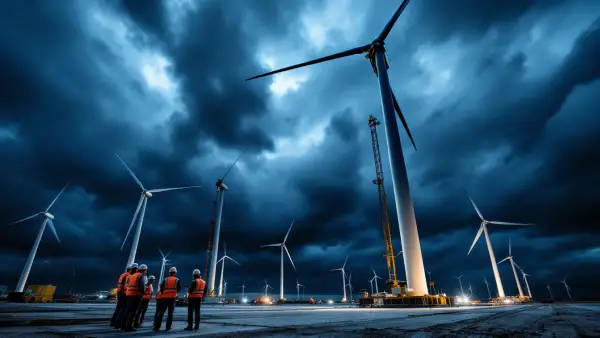
Delays in energy infrastructure cost more than just dollars—Dominion Energy Virginia estimates over $5 million daily lost on construction ships alone after a federal halt. The Trump administration’s national security order stopped Dominion’s Coastal Virginia Offshore Wind project, plus four others, without detailing specific threats. This pause is about more than politics: it exposes how regulatory bottlenecks throttle system-level leverage in critical energy investments. Infrastructure control is the real battleground for scalable energy transformation.
Dominion Energy Virginia filed suit calling the order “arbitrary and capricious” as the project was hours from providing energy to roughly 660,000 homes. Unlike competitors who must navigate variable state politics, Dominion’s anchor in Virginia’s data center boom positioned it for explosive demand growth. But this administrative stop taps into a deeper constraint: the fragility of offshore wind’s deployment pipeline under opaque security reviews delaying project economies of scale.
Why Security Concerns Are a Convenient Constraint, Not Just a Risk
Conventional wisdom treats these federal delays as prudent safety net measures. But they mask a strategic constraint repositioning. By delaying multiple large-scale offshore wind projects—including Vineyard Wind and Revolution Wind—the halt punches a choke point in the industry's leverage to create compounding returns from continuous deployment. This isn’t just a legal tussle; it’s a systemic control move constricting supply chain rhythm and investments, which echoes debt fragility seen in other sectors.
Unlike solar, where manufacturing and installation cycles have been resilient to regulatory shifts, offshore wind requires integrated infrastructure and steady project flow to push down costs. Interrupting this pipeline isn’t risk mitigation — it’s a shifting of leverage from innovators back to gatekeepers.
Dominion’s Data Center Demand Stakes Expose Leverage Mismatch
Dominion’s project is tightly coupled with Virginia’s explosive data center growth, creating a predictable load profile unlike other chaotic demand sectors. This tight linkage offers a leverage system between energy supply and digital infrastructure. Competitors like Empire Wind in New York lack such direct, concentrated demand hubs, making their leverage less immediate.
Stopping projects mid-construction kills momentum—contractors and ships sit idle, and costs scale exponentially without energy generation. This shifts capital from growth engines into cost centers, a leverage reversal few recognize. Instead of building forward, companies must scramble for cash just to maintain their place in a rolling auction of scarce regulatory approvals, a dynamic detailed in our analysis of system-level constraints.
Opaque Delays Undermine Automation of Project Scaling
The 90-day review timeline, open-ended in practice, undermines one of offshore wind’s few automation levers: predictable project phasing. These operational rhythms enable companies to amortize expensive vessels, fabrication yards, and skill hiring over multiple projects. Interrupted flow wastes assets and forces expensive idling—an anti-leverage dynamic.
While California’s solar growth benefits from streamlined permitting to automate deployment bursts, Virginia’s wind sector faces federal unpredictability, making leverage fracturing certain. This mimics the strategic friction seen in other energy systems where regulation replaced market mechanisms, reducing compounding technological and operational scale.
Who Wins the Leverage Battle Ahead?
The real constraint exposed is control over federal-level security narratives that override state-level demands and private investments. Companies like Dominion Energy must build legal and political resilience strategies just to maintain their leverage positions. Those who adapt by integrating policy navigation into their systems will shape the offshore wind landscape.
States opposing the halt are not just fighting policy but are reclaiming infrastructure platform design—a lever that determines who owns the future energy marketplace. Regions that solve federal-state coordination constraints first will unlock offshore wind’s compounding scale fastest. The bigger game is mastering system constraints, not the turbines themselves.
“Control over infrastructure design is the ultimate compounding asset in energy transformation.”
Related Tools & Resources
In the context of energy infrastructure, ensuring security is paramount. This is why advanced surveillance solutions like Surecam are essential for businesses navigating regulatory challenges while striving to maintain operational continuity. By using tools like Surecam, companies can bolster their security monitoring and ensure compliance, thereby supporting their strategic objectives in a complex legislative landscape. Learn more about Surecam →
Full Transparency: Some links in this article are affiliate partnerships. If you find value in the tools we recommend and decide to try them, we may earn a commission at no extra cost to you. We only recommend tools that align with the strategic thinking we share here. Think of it as supporting independent business analysis while discovering leverage in your own operations.
Frequently Asked Questions
Why did the Trump administration halt Dominion Energy's Coastal Virginia Offshore Wind project?
The Trump administration issued a national security order that stopped Dominion Energy’s Coastal Virginia Offshore Wind project along with four others, citing security concerns without specifying threats. This halt indicates regulatory bottlenecks affecting offshore wind infrastructure.
How much financial loss is Dominion Energy Virginia experiencing due to construction delays?
Dominion Energy Virginia estimates a loss of over $5 million daily on construction ships alone after the federal halt of their offshore wind project.
How many homes would Dominion's Coastal Virginia Offshore Wind project have energized?
The Coastal Virginia Offshore Wind project was hours from providing energy to approximately 660,000 homes before the federal stop order was issued.
What is the impact of federal security reviews on offshore wind projects?
Federal security reviews create opaque delays and unpredictable timelines that disrupt offshore wind project phasing, forcing expensive idling of vessels and fabrication yards. This undermines automation and economies of scale critical for reducing costs.
How does Dominion Energy's data center demand influence its offshore wind project?
Dominion’s project is tightly linked with Virginia’s booming data center growth, providing a predictable and concentrated load profile. This creates leverage between energy supply and digital infrastructure compared to competitors without such direct demand hubs.
What are the broader industry implications of the halt on offshore wind projects?
The halt restricts continuous deployment, creating supply chain bottlenecks, disrupting investment flows, and shifting leverage from project innovators to regulatory gatekeepers, slowing the scaling of offshore wind infrastructure.
How do delays in offshore wind projects compare to solar energy developments?
Solar energy benefits from streamlined permitting and resilient manufacturing cycles. Offshore wind projects require integrated infrastructure and steady deployment to drive down costs, making them more vulnerable to federal delays and regulatory unpredictability.
What strategies are companies like Dominion Energy adopting to maintain leverage amid regulatory challenges?
Companies are building legal and political resilience strategies to navigate federal security constraints, integrating policy navigation within their systems to maintain project momentum and leverage positions in offshore wind development.