
How Embraer’s Eve Will Reshape Urban Air Mobility by 2027

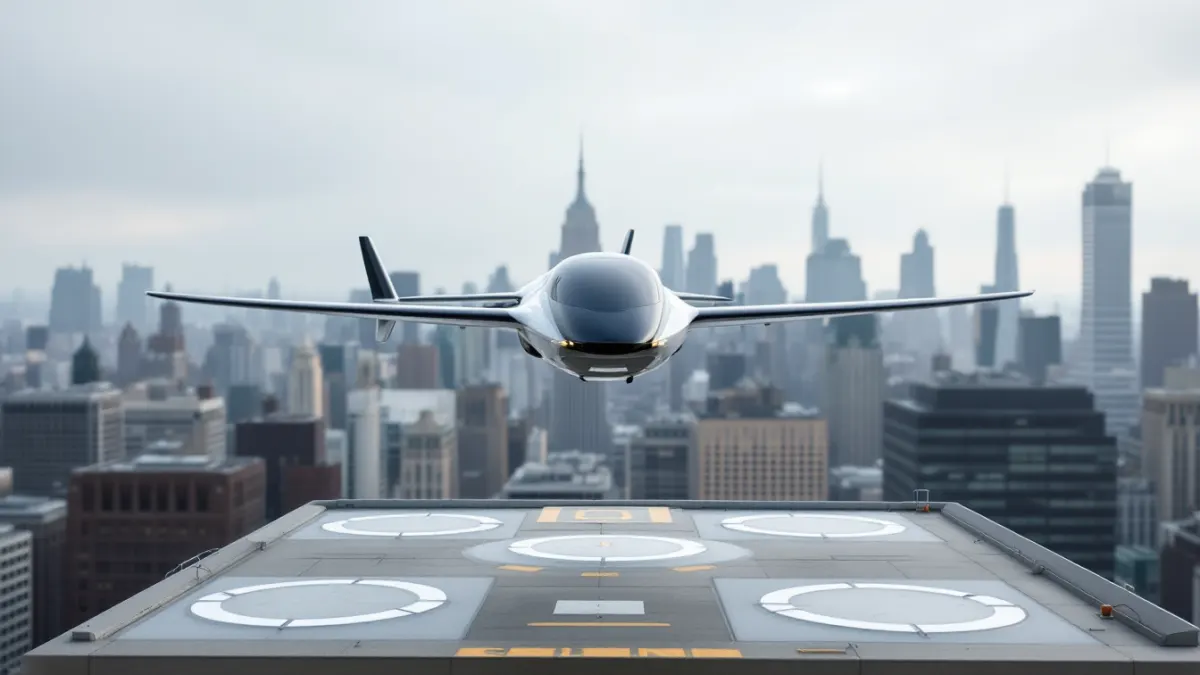
Traffic congestion costs cities billions globally, but major hubs like Manhattan and São Paulo are poised to cut commute times with electric air taxis. Brazil’s Embraer plans to launch its Eve eVTOL—a four-seater electric aircraft—in these cities by 2027.
This move isn’t just about flying over traffic; it’s about architecting a resilient aviation system with extensive redundancy, safety protocols, and scalable infrastructure that manufacturers like Joby Aviation and Archer Aviation lack.
By focusing on pilot workload reduction and aiming for autonomous flight, Embraer exploits a lag in rivals who rushed prototypes to flight but neglect certification mastery.
“Certification is a milestone, and we’ve been through those milestones before,” said Eve CEO Johann Bordais. “Safety and operational standards create lasting leverage.”
Why Quick Flight Tests Don’t Trump Certification Expertise
Many competitors see rapid prototype flights as competitive advantage. Joby Aviation and Archer Aviation showcased flying eVTOLs publicly targeting 2026 launches.
But Embraer’s Eve program deliberately delays first full-scale flight to rigorously model every system. This repositions the industry constraint from prototype visibility to regulatory approval, a far higher barrier that guarantees longevity.
Unlike competitors chasing hype, Embraer leverages decades of certification experience from commercial and military aircraft to systematize compliance and safety ahead of flight testing.
Eve’s Systemic Redundancies Redefine Safety Leverage
Unlike traditional helicopters vulnerable to single-point failures, Eve’s design features eight rotors and multiple battery packs. If one fails, others take over, mimicking how large airplanes fly on one engine.
This level of redundancy amplifies safety without increasing complexity for pilots, helped by cockpit tech that reduces workload. The system design compounds benefits over time as maintenance and reliability data improve.
Compared to public skepticism from private aviation experts wary of fully autonomous aircraft, Embraer’s incremental approach to piloting autonomy balances innovation with human oversight, creating practical leverage in regulatory and consumer trust.
Leveraging Existing Infrastructure While Scaling Urban Mobility
Over 5,000 airports in the US and multiple heliports already offer starting points for Eve’s rollout. Embraer partners with governments in Bahrain, UK, Singapore, and Costa Rica to co-develop vertiports and charging infrastructure.
Unlike startups building proprietary hubs or struggling with urban regulations, Eve’s strategy leverages existing aviation assets to reduce upfront capital while scaling adoption—turning the existing network itself into a leverage multiplier.
This approach aligns with leveraging operational cost efficiencies similar to how scalable businesses reuse infrastructure to drop marginal costs as volume grows.
Who Should Bet on Eve’s Long Game?
Urban mobility operators, city planners, and airlines should watch where Embraer’s system-first approach disrupts market dynamics. While competitors chase early pilot flights, Eve’s constraint repositioning around certification and scalable infrastructure promises sustainable advantage.
The shift toward pilotless eVTOLs will upend crew costs and increase passenger capacity, delivering leverage beyond technology—at the ecosystem and regulatory levels.
“Mastering certification creates durable leverage that flight demos alone cannot buy,” Bordais’s stance reveals the hidden engine behind Eve’s race to transform urban skies.
Related Tools & Resources
Embraer’s Eve program thrives on rigorous certification, safety protocols, and standardized procedures to ensure long-term success. For organizations aiming to systematize operations and maintain compliance—just like Embraer does in aviation—tools like Copla offer a streamlined way to create and manage standard operating procedures that boost reliability and operational clarity. Learn more about Copla →
Full Transparency: Some links in this article are affiliate partnerships. If you find value in the tools we recommend and decide to try them, we may earn a commission at no extra cost to you. We only recommend tools that align with the strategic thinking we share here. Think of it as supporting independent business analysis while discovering leverage in your own operations.
Frequently Asked Questions
What are eVTOL aircraft and how do they benefit urban mobility?
Electric vertical takeoff and landing (eVTOL) aircraft are electric-powered air taxis designed to take off and land vertically. They help reduce traffic congestion in major cities by cutting commute times, as planned by Embraer with its Eve eVTOL launching in cities like Manhattan and São Paulo by 2027.
Why is certification important for eVTOL manufacturers?
Certification ensures that eVTOL aircraft meet rigorous safety and operational standards. Embraer’s Eve program prioritizes certification mastery over rapid prototype flights, which creates durable leverage for sustainable urban air mobility by addressing regulatory approval barriers early.
How does redundancy improve the safety of electric air taxis?
Redundancy, like Eve’s design with eight rotors and multiple battery packs, prevents single-point failures by allowing other systems to take over in case of malfunction. This approach amplifies safety without complicating pilot workload, similar to how large airplanes handle engine failures.
What role does pilot workload reduction play in advancing autonomous flight?
Reducing pilot workload through advanced cockpit technology enables a smoother transition toward autonomous flight. Embraer focuses on pilot workload reduction to balance innovation with human oversight, enhancing safety and regulatory trust during gradual automation.
How does Embraer plan to leverage existing infrastructure for Eve’s rollout?
Embraer plans to use over 5,000 US airports and multiple heliports, partnering with governments in Bahrain, UK, Singapore, and Costa Rica, to co-develop vertiports and charging infrastructure. This strategy reduces upfront capital costs and scales adoption by utilizing the existing aviation network.
What cities are targeted for the launch of Embraer’s Eve eVTOL by 2027?
Manhattan in the United States and São Paulo in Brazil are major city hubs targeted for Embraer’s Eve eVTOL rollout by 2027 to help reduce severe urban traffic congestion and improve commuting times.
How do pilotless eVTOLs impact urban air mobility economics?
Pilotless eVTOLs reduce crew costs and increase passenger capacity, creating leverage beyond technology alone. This shift enables sustainable advantages across regulatory and ecosystem levels, disrupting current urban air mobility market dynamics.
What strategies do startups typically use compared to Embraer in eVTOL development?
Startups like Joby Aviation and Archer Aviation often prioritize quick prototype flights and public demos targeting 2026 launches. In contrast, Embraer delays first full-scale flight to focus on comprehensive system modeling and certification to ensure long-term safety and regulatory success.