
How Google’s AI Turned Route 66 Into a Living Digital Road Trip

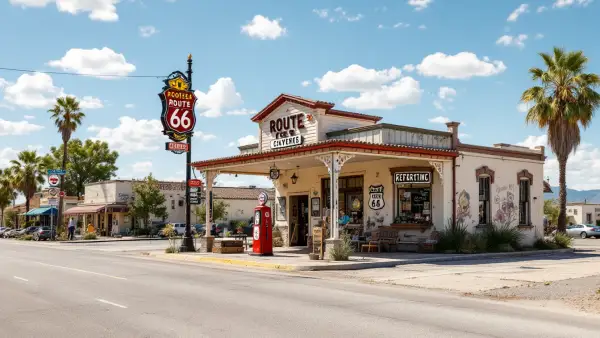
The nostalgic image of Route 66 as a bygone relic is deeply ingrained worldwide. Yet this historic American highway is being reinvented through a browser-based simulation called Route 66 Rewind, codeveloped by Google Arts & Culture and the National Trust for Historic Preservation. This AI-powered system revives 33 landmarks with immersive visuals and interactive radio commentary, bringing heritage tourism into the digital age. Technology that activates stories creates dynamic engagement, not static memory.
Why Historic Preservation Is Not Just About Freezing the Past
Conventional thinking treats Route 66 as frozen nostalgia—a ghost corridor deserted after the interstate bypassed it. The standard preservation playbook focuses on protecting physical artifacts as museums or static attractions. That approach risks relegating Route 66 to a dusty relic with diminishing relevance.
The real leverage is in positioning Route 66 as a vibrant corridor still lived in and shaped by modern communities. Advocates like Rhys Martin stress that the road reflects ongoing stories, where entrepreneurs like Mary Beth Babcock in Tulsa and couples renovating motels are reigniting economic and cultural life. This is an example of constraint repositioning, transforming historic decay into opportunity for small businesses and regional revival.
How AI Fills Archival Gaps to Build a Continuous Experience
Google’s AI tools like the video generator Veo, music model Lyria, and language model Gemini turned sparse black-and-white photos and fragmented records into a rich, interactive drive. Instead of relying on costly, manual restoration of every landmark’s full history, the system automates narrative reconstruction while experts continuously validate the outputs.
This automation breaks the traditional constraint of limited archival material and fixed storytelling formats. Unlike heritage projects that rely on static reconstructions or expensive physical restoration, the AI-powered platform dynamically adapts and scales to unexpected content gaps. It democratizes access, bringing Route 66 to global virtual explorers, not just those physically able to visit.
This contrasts with preservation efforts that focus solely on maintaining buildings post-decommissioning, where operations drain local resources. Here, AI acts as a leverage multiplier, reducing ongoing human intervention to keep experiences current and immersive. For context, this tech-powered reach notably outperforms conventional digital archives that rarely engage younger audiences or drive tourism back into small towns.
Turning Audiences into Agents of Preservation and Growth
The interactive trip is more than a digital museum; it primes users to visit real locations and support local economies. The designation of Route 66 as a likely new National Historic Trail will further amplify these effects, bolstering tourism infrastructure and funding.
By combining AI-generated visual memory with vibrant storytelling, the project creates a continual feedback loop where users become stakeholders in preservation — a model absent from static systems. This is a practical application of AI-driven leverage that shifts public heritage from a cost center to a growth platform ready for the next century.
The Road Ahead for Heritage and AI Integration
The core constraint that shifted is how incomplete archives limit engagement. Google’s AI integration addressed this by automating immersive reconstruction, enabling preservation advocates to scale their impact globally with less manual effort.
Other historical sites and cultural corridors worldwide can replicate this approach, especially where physical restoration is slow or funding is sparse. The success of Route 66 Rewind shows that digital-first, AI-powered storytelling unlocks tourism and community revival simultaneously.
“Engagement, not just preservation, is the next frontier for heritage leverage.”
Related Tools & Resources
As we explore how AI transforms experiences and empowers storytelling, platforms like Learnworlds are essential for educators and organizations looking to create impactful online courses. This can effectively complement the narrative reconstruction of cultural stories, making heritage learning accessible to global audiences. Learn more about Learnworlds →
Full Transparency: Some links in this article are affiliate partnerships. If you find value in the tools we recommend and decide to try them, we may earn a commission at no extra cost to you. We only recommend tools that align with the strategic thinking we share here. Think of it as supporting independent business analysis while discovering leverage in your own operations.
Frequently Asked Questions
How did Google’s AI transform Route 66 into a digital road trip?
Google's AI used tools like Veo, Lyria, and Gemini to turn sparse archival photos and records into an interactive simulation called Route 66 Rewind, reviving 33 landmarks with visuals and commentary.
What is Route 66 Rewind?
Route 66 Rewind is a browser-based simulation co-developed by Google Arts & Culture and the National Trust for Historic Preservation that offers an immersive digital experience of 33 landmarks along Route 66 with AI-powered storytelling.
Why is AI important for historic preservation on Route 66?
AI automates narrative reconstruction from limited archival material, fills gaps in history, and creates dynamic storytelling that keeps experiences current and engaging without costly manual restoration.
How does Route 66 Rewind benefit local communities?
The interactive digital trip encourages real visits and supports local economies, helping small businesses and revitalizing cultural and economic life along Route 66.
What makes Route 66 different from other heritage preservation efforts?
Instead of freezing the past in static displays, Route 66 Rewind uses AI to create dynamic engagement, making heritage preservation an active, evolving experience that scales globally.
Can this AI-driven preservation model be applied elsewhere?
Yes, the approach demonstrated by Route 66 Rewind is replicable for other historical sites worldwide, especially where physical restoration is slow or funding is limited.
What future developments are expected for Route 66 preservation?
Designation as a National Historic Trail will boost tourism infrastructure, funding, and amplify the impact of digital preservation efforts like Route 66 Rewind.
How does Route 66 Rewind engage younger or remote audiences?
By offering a browser-accessible, AI-enhanced interactive experience, Route 66 Rewind democratizes access to heritage, engaging global virtual explorers beyond physical visitors.