
How Huawei’s HarmonyOS Breaks Apple’s AirDrop Lock-In

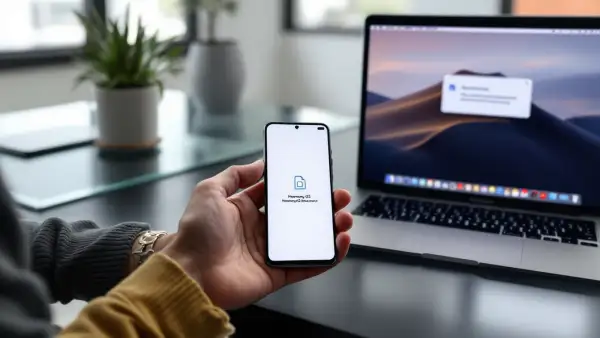
File transfers between Apple devices rely on AirDrop, locking users into the iOS ecosystem and limiting cross-platform sharing. Huawei just disrupted this with the launch of HarmonyOS Interconnect, an app enabling AirDrop-style transfers between HarmonyOS and Apple devices on iPhone, iPad, and MacOS.
This move isn’t merely about convenience—it undercuts Apple’s ecosystem leverage by creating a frictionless cross-system data pathway. Huawei’s app removes the transfer barrier that forces users to pick sides. System-level interconnectivity changes who controls user data and device loyalty.
It is a strategic repositioning of a critical constraint—device ecosystem connectivity—that reprograms user behavior without constant human intervention. Huawei leverages system design to chip away at Apple’s near-monopoly on peer-to-peer file sharing.
Cross-platform openness is the new battleground for ecosystem dominance—who controls data transfer controls lock-in.
Challenging the AirDrop Monopoly Isn’t About Features
Conventional wisdom treats Apple’s AirDrop as a convenience feature that just works better inside iOS. The reality is AirDrop serves as a powerful ecosystem lock-in—users sharing files effortlessly within Apple’s devices grow comfortable avoiding alternatives.
But Huawei’s HarmonyOS Interconnect breaks this constraint by extending similar transfer ease to Apple devices. This is not incremental product competition; it is shifting the leverage point from proprietary protocol control to open system interoperation. Analysts underestimate this systemic repositioning as just a neat app launch, missing its impact on ecosystem control.
See contrast with typical app interoperability battles documented in Why WhatsApp’s New Chat Integration Actually Unlocks Big Levers.
Why Ecosystem Transfer Ease Is The Real Gatekeeper
Peer-to-peer transfers like AirDrop operate under unique technical constraints: proximity, speed, security, and simplicity. Other cross-platform methods rely on cloud uploads, adding cost and delay. Huawei built HarmonyOS Interconnect to match Apple’s transfer speed and convenience, but across OS boundaries—a rare engineering feat.
Competitors like Google rely on slower solutions (e.g., Nearby Share), while Microsoft and others have failed to offer seamless Mac-iOS-PC file interchange at this scale. Huawei removes the human friction—the true constraint blocking cross-ecosystem file sharing.
This drops switching cost friction without requiring Apple to open its protocols, turning device lock-in into a sliding door rather than a brick wall. The reduced lock-in forces Apple to rethink ecosystem advantages, or risk slow user attrition.
This mechanism resembles systems leverage seen in How OpenAI Actually Scaled ChatGPT to 1 Billion Users, where openness fueled explosive adoption.
What The Cross-System Transfer Unlocks Next
The constraint shift here moves user leverage from hardware dominance toward software ecosystem openness. Companies slow to address cross-platform data flow lose the stickiness that justifies premium pricing or ongoing engagement.
Huawei’s move signals a turning tide in OS power dynamics, especially as China’s tech ecosystem doubles down on independence and cross-compatibility. Other device makers and OS developers in Asia and beyond will accelerate similar interoperable tools.
Why 2024 Tech Layoffs Actually Reveal Structural Leverage Failures argues firms must address these constraint shifts or face rapid decline in control over user behavior.
Cross-platform file sharing without barriers flips ecosystem lock-in on its head, forcing new leverage battles centered on open user freedom rather than closed proprietary control.
Related Tools & Resources
As companies navigate the shifting dynamics of cross-platform connectivity, tools like Hyros can provide valuable insights through their advanced ad tracking and attribution capabilities. This allows businesses to understand their customer interactions better and optimize marketing strategies to remain competitive in an increasingly interconnected marketplace. Learn more about Hyros →
Full Transparency: Some links in this article are affiliate partnerships. If you find value in the tools we recommend and decide to try them, we may earn a commission at no extra cost to you. We only recommend tools that align with the strategic thinking we share here. Think of it as supporting independent business analysis while discovering leverage in your own operations.
Frequently Asked Questions
What is Huawei's HarmonyOS Interconnect?
HarmonyOS Interconnect is an app launched by Huawei that enables AirDrop-style file transfers between HarmonyOS and Apple devices such as iPhone, iPad, and MacOS, promoting cross-platform sharing.
How does Huawei's app affect Apple's AirDrop ecosystem lock-in?
Huawei’s app breaks Apple’s ecosystem lock-in by enabling seamless peer-to-peer file transfers across operating systems, reducing switching costs and challenging Apple’s control on user data transfer.
What technical challenges does HarmonyOS Interconnect overcome?
HarmonyOS Interconnect matches Apple’s transfer speed, security, and proximity requirements across OS boundaries—a rare engineering feat compared to competitors like Google’s Nearby Share that are slower and less seamless.
Why is cross-platform file sharing important for device ecosystems?
Cross-platform sharing reduces user friction and lock-in, shifting leverage from proprietary hardware dominance toward software ecosystem openness, impacting device loyalty and premium pricing power.
How does Huawei’s approach differ from competitors like Google and Microsoft?
Unlike Google’s slower Nearby Share and Microsoft’s limited Mac-iOS-PC transfers, Huawei offers frictionless transfer speeds across OS boundaries, effectively removing barriers for user switching.
What broader impact could HarmonyOS Interconnect have on the OS market?
HarmonyOS’s interoperability signals a shift in OS power dynamics, encouraging more open ecosystems and prompting Apple to rethink its ecosystem advantages or risk user attrition.
What industries besides tech could benefit from cross-platform interoperability tools?
Industries relying on user data and device connectivity, including marketing and advertising, can benefit from improved cross-platform tools like Hyros for advanced ad tracking and ROI visibility.
Are there any affiliate partnerships mentioned related to this topic?
Yes, the article discloses affiliate partnerships linking to recommended tools like Hyros, which help businesses optimize marketing strategies in cross-platform environments.