
How Kroger’s Robotics Shutdown Pays $350M to Ocado with Hidden Leverage

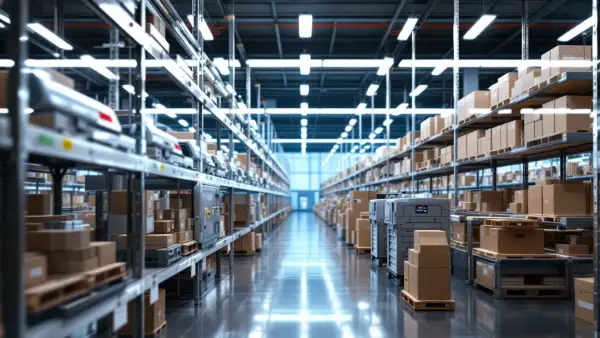
Robotic fulfillment centers often cost hundreds of millions upfront, yet Kroger is paying $350 million to Ocado while shutting its robotic warehouses. This payout contrasts sharply with the capital-intensive expectations of automation investments.
Kroger announced the closure of its automated warehouses developed with Ocado in late 2025, triggering a substantial payment to the UK-based tech supplier. The deal exposes the disconnect between robotic system costs and operational execution at scale.
But this isn't just a simple write-off—it's a lesson in how automation contracts can become systems of leverage themselves, locking operators into costly dependencies. This mechanism reshapes how grocers and retailers should approach tech partnerships.
Automation deals are not just technology bets—they are strategic lock-ins that compound risk or advantage over time.
Why Cutting Automation Centers Isn't Just Cost-Cutting
Conventional wisdom paints robotic fulfillment shutdowns as straightforward cost reductions. Analysts see Kroger pulling back because automation failed to deliver promised efficiencies.
That view ignores how Ocado designs contracts to extract leverage over years, turning upfront tech deployment into multi-hundred-million-dollar exit payments.
Similar dynamics appear in tech layoffs in 2024 where failure to design system-level constraints led to expensive reversals, not simple cost saves.
Ocado’s Contractual Model Creates a Leverage Moat in Robotics
Ocado builds highly specialized robotic warehouses usually tailored for one grocer, with modular components hard to repurpose. This entrenches Kroger into long-term payouts even if automation stalls.
Unlike warehouse robotics firms selling hardware with low switching costs, Ocado's bundled software-robotics ecosystem creates a multi-layer dependency. Replicating it requires installing hundreds of millions in tech and reengineering supply chains.
This contrasts with other retailers using leased robots or adaptable automation, avoiding six-figure exit fees. Robotics firms quietly scaling in flexible ways underscore alternative models Kroger did not pursue.
The Real Constraint Shift for Grocery Automation
Kroger’s shutdown shows the actual constraint isn’t robotics efficiency but contractual lock-in and exit leverage. Once embedded, operators trade operational flexibility for upfront automation advances.
Strategic moves now focus on reducing dependency via modular architectures or hybrid manual-robotic workflows to avoid multi-hundred-million-dollar penalties.
Profit lock-in constraints in tech investments echo here: the largest cost emerges not from running robots but from the structural exits enforced by vendor contracts.
Who Wins When Robotics Deals Create Exit Leverage?
Future grocers and retailers must scrutinize automation deals beyond technology gains, focusing on contractual flexibility as a core leverage mechanism.
Operators that control both automation tech and exit terms create compounding strategic advantage, locking in long-term value while others bear downside.
Regions investing in flexible automation infrastructures—or forming consortia to reduce vendor lock-in—will unlock next-generation supply chain resilience. Kroger’s payout to Ocado reveals that in robotics, leverage lies in the contract, not just the machines.
Related Tools & Resources
As businesses navigate the complexities of automation and contractual dependencies highlighted by Kroger's recent experiences, platforms like Ten Speed can provide the workflow management and resource optimization necessary to enhance operational flexibility. By focusing on marketing operations and project management, they allow companies to strategically reduce lock-in risks and adapt to changing market conditions while managing their resources efficiently. Learn more about Ten Speed →
Full Transparency: Some links in this article are affiliate partnerships. If you find value in the tools we recommend and decide to try them, we may earn a commission at no extra cost to you. We only recommend tools that align with the strategic thinking we share here. Think of it as supporting independent business analysis while discovering leverage in your own operations.
Frequently Asked Questions
Why is Kroger paying $350 million to Ocado despite shutting down its robotic warehouses?
Kroger is paying $350 million to Ocado due to contractual agreements that embed long-term financial leverage into automation deals. These contracts create costly dependencies and exit penalties even when the robotics projects are discontinued.
What makes Ocado’s robotic warehouse contracts unique compared to other robotics firms?
Ocado's contracts bundle specialized robotics hardware with software, creating a multi-layer dependency. Their warehouses are tailored to a single grocer with modular parts that are hard to repurpose, leading to high exit fees unlike leased or more adaptable robotic solutions.
How do automation contracts create leverage beyond the cost of the technology?
Automation contracts often lock operators into long-term financial commitments and exit penalties which can reach hundreds of millions, as seen with Kroger’s $350 million payout. This leverage shifts the constraint from robotics efficiency to contractual lock-in.
What lessons does Kroger’s shutdown of automated warehouses provide for retailers?
The Kroger case highlights the importance of scrutinizing automation deals for contractual flexibility. Retailers should seek modular architectures or hybrid systems to avoid costly exit fees and reduce dependency on vendors.
How do alternative robotics models differ from Ocado’s approach?
Other retailers use leased robots or adaptable automation that avoid large exit fees and provide operational flexibility. These flexible models allow easier scaling and reduce financial risks compared to Ocado’s bundled ecosystem.
What future trends might reduce vendor lock-in in grocery automation?
Regions investing in flexible automation infrastructure and forming consortia are likely to unlock supply chain resilience by mitigating vendor lock-in. Increasing modularity and hybrid human-robot workflows are also strategic trends.
Why is the largest cost in grocery automation not the operation of robots?
The largest costs arise from contractual exit penalties and strategic lock-ins rather than from running the robots themselves, as demonstrated by Kroger’s multi-hundred-million-dollar payment to Ocado upon shutting operations.
How can companies manage risks associated with automation contract dependencies?
Companies can enhance operational flexibility and reduce lock-in risks by using workflow management tools, such as Ten Speed, which optimize resource allocation and support strategic project management in complex automation environments.