
How Las Vegas Built a Solar Power System to Transform Its Energy Future

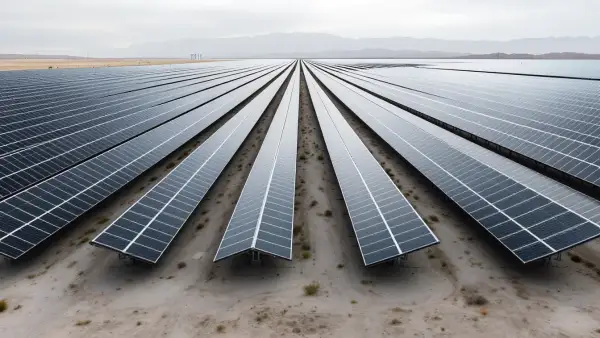
Desert cities typically rely on fossil fuels, but Las Vegas is rewriting that script with solar energy. Las Vegas has installed one of the largest urban solar power systems in the U.S., powering much of the city’s vital infrastructure. This move harnesses solar energy not just to cut emissions but to create a self-reinforcing infrastructure platform.
Las Vegas’ solar initiative embeds automation and distributed generation into a high-demand, sunny city. This shifts energy reliance from volatile external supplies to a local, scalable system. Energy independence is leverage — it compounds over time as more solar capacity reduces cost and increases resiliency.
Why Conventional Wisdom Misses the Point in Green Energy
Many see solar adoption as just cost-cutting or a green PR move. Analysts often assume fossil fuel substitution is a linear trade-off with grid reliability. They miss that Las Vegas repositions constraints, turning the desert’s sun into an unlimited, automated asset.
Instead of merely replacing energy sources, the city shifts the entire system design. This reminds us of how structural leverage failures occur when systems fail to reposition constraints effectively. Las Vegas’ solar infrastructure creates a compounding advantage rather than incremental savings.
Solar Infrastructure as a Strategic Platform
Las Vegas leveraged its geographic advantage—high solar irradiance—to massively scale photovoltaic installation. Unlike cities that rely heavily on distant grids or fossil fuels, it built local solar farms integrated with smart grid tech. This shifts operational cost from fuel purchase to infrastructure ownership.
Traditional cities face acquisition cost shocks when fossil fuel prices spike. In contrast, Las Vegas’ system moves costs from unstable input to fixed assets, a fundamental leverage mechanism. This echoes how OpenAI scaled ChatGPT—by shifting cost to infrastructure that scales independently of traffic.
Lessons from Alternative Models and What Las Vegas Avoided
Unlike California or New York, which mix multiple energy sources with less concentrated solar adoption, Las Vegas doubled down on solar plus automation. It did not attempt to replace fossil fuels piecemeal but rebuilt operational systems with solar as the backbone.
This contrasts with approaches seen in other states that still depend heavily on daily fuel market dynamics. The city’s focus on automation and smart energy management reduces human intervention, similar to the leverage unlocked by dynamic workflows in tech organizations (dynamic work charts).
How This Changes the Energy Constraint and What Comes Next
By redesigning its energy constraint—from fuel availability to control over generation infrastructure—Las Vegas unlocked a compounding system advantage. This creates resilience against price shocks and geopolitical risks. It signals a pathway for other sun-rich cities like Phoenix or Dubai to replicate this model quickly.
Energy operators and urban planners must watch this shift. The leverage moves away from fluctuating commodity markets to platform ownership and systemic automation. Control over energy infrastructure means control over economic and social stability.
Related Tools & Resources
As cities like Las Vegas leverage their energy independence through innovative practices, businesses can similarly harness strategic insights through tools like Apollo. By utilizing its B2B database and sales intelligence capabilities, organizations can build their own infrastructure for growth and stability in a fluctuating market. Learn more about Apollo →
Full Transparency: Some links in this article are affiliate partnerships. If you find value in the tools we recommend and decide to try them, we may earn a commission at no extra cost to you. We only recommend tools that align with the strategic thinking we share here. Think of it as supporting independent business analysis while discovering leverage in your own operations.
Frequently Asked Questions
How large is Las Vegas's solar power system compared to other U.S. cities?
Las Vegas has installed one of the largest urban solar power systems in the United States, powering much of the city's vital infrastructure with a focus on scalability and automation.
What advantages does Las Vegas's solar energy system provide?
The system shifts energy dependence from fossil fuels to local, scalable solar infrastructure, reducing cost volatility and increasing resilience against price shocks and geopolitical risks.
How does Las Vegas's approach differ from other states like California or New York?
Unlike California or New York, which use a mix of energy sources, Las Vegas doubled down on solar plus automation, rebuilding operational systems with solar as the backbone rather than replacing fossil fuels piecemeal.
What role does automation play in Las Vegas's solar infrastructure?
Automation and smart energy management reduce human intervention in Las Vegas's system, creating a self-reinforcing infrastructure platform that compounds energy independence over time.
Why is local solar infrastructure important for Las Vegas's energy future?
Local solar farms integrated with smart grid technology move operational costs from unstable fossil fuel purchases to fixed assets, creating a fundamental leverage mechanism and improving energy self-sufficiency.
How can other sunny cities replicate Las Vegas's solar model?
Sun-rich cities like Phoenix or Dubai can follow Las Vegas's pathway by focusing on building local solar capacity combined with automation and smart energy systems to reduce dependence on fossil fuels and external grids.
What structural insight does Las Vegas's solar system reveal about energy constraints?
By redesigning its energy constraints from fuel availability to control over generation infrastructure, Las Vegas unlocked a compounding system advantage that enhances economic and social stability.
How does Las Vegas's solar power initiative impact grid reliability?
Contrary to the belief that fossil fuel substitution hurts grid reliability, Las Vegas's solar-based infrastructure integrates distributed generation and automation to improve system resilience and reduce dependency on volatile external supply.