
How Rapido and magicpin Are Repositioning Food Delivery in India

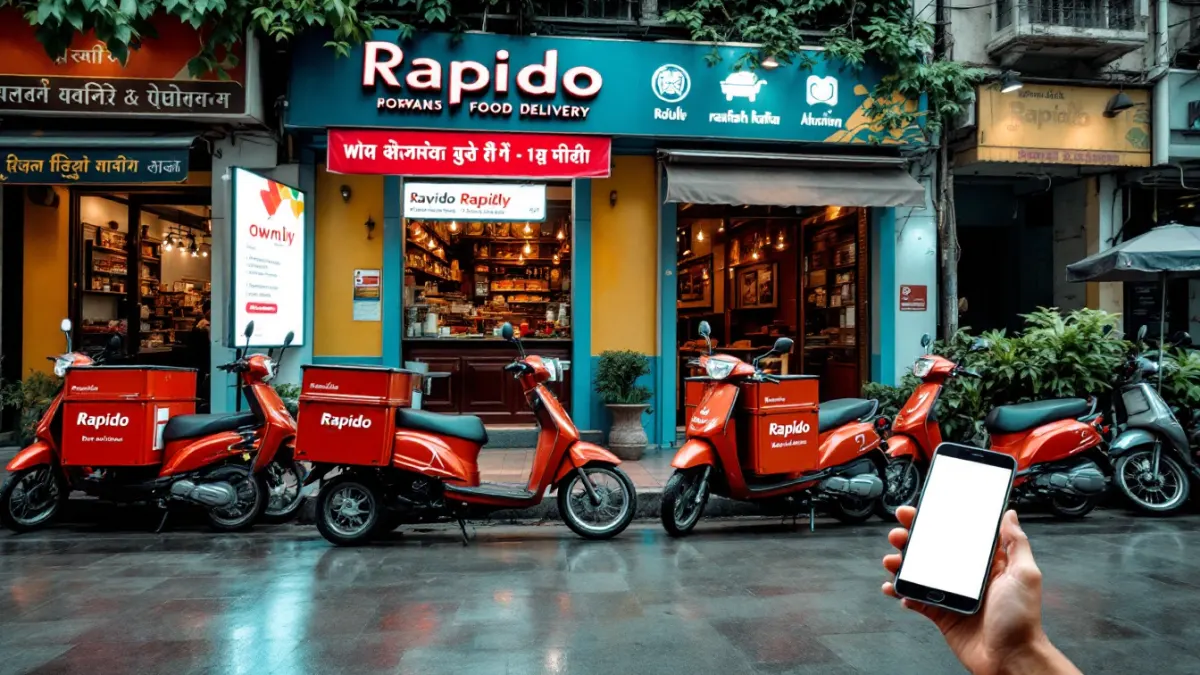
India's food delivery market is dominated by Zomato and Swiggy, controlling nearly 90% of orders. In November 2025, ride-hailing giant Rapido partnered with magicpin to scale their new platform Ownly, targeting this duopoly with a different system design.
This move isn’t just another food delivery launch—it’s about leveraging existing ride-hailing and local merchant networks to reset the delivery supply constraint. Rapido and magicpin aim to integrate food delivery into ride-hailing logistics, reducing dependency on dedicated delivery fleets.
Ownly uses strategic partnership leverage by onboarding more restaurants via magicpin’s local commerce access, collapsing two major cost centers: restaurants’ onboarding friction and delivery logistics. This creates a layered platform that compounds network effects.
Owning the underlying delivery infrastructure creates a leverage moat few challengers can replicate.
Conventional Wisdom Underestimates Logistics Complexity
Most analyses frame new entrants as low-cost competitors, ignoring the core constraint: delivery fleet availability and restaurant integration. Rapido flips this assumption by leveraging its 25 lakh+ ride-hailing fleet and magicpin’s restaurant network to accelerate onboarding for Ownly.
This isn’t just about cheaper rides or coupons. It’s a system-level repositioning from a fragmented restaurant onboarding and delivery model to a horizontally integrated platform that sustains volume growth with minimal incremental cost.
The contrast is with Zomato and Swiggy, which primarily rely on dedicated food delivery agents, incurring $0.5-$0.7 average delivery cost per order. Rapido leverages existing ride-hailing drivers, who can serve dual purposes without separate recruitment or fleet expenses.
Such constraint repositioning mirrors what we covered in how strategic partnerships amplify business leverage.
Partnerships as a Compound Leverage Mechanism
magicpin brings thousands of restaurant relationships with verified quality data and local presence. By integrating these with Rapido’s last-mile mobility, Ownly reduces onboarding time from weeks to days, an order-of-magnitude efficiency gain.
The integrated platform drops the acquisition cost for restaurants and drivers simultaneously. This contrasts with competitors spending millions on sales teams and recruitment.
Unlike other markets where logistics and merchant onboarding are fragmented, India’s hyperlocal ecosystem allows this dual leverage to thrive. This dynamic is consistent with patterns seen in successful strategic alliances where mutual network effects unlock unseen value.
Replicating Ownly Requires Multi-Industry Asset Integration
Building similar leverage demands access to both a sizeable ride-hailing fleet and a high-trust local commerce network. Competitors like Uber Eats or Dunzo operate primarily in either logistics or hyperlocal delivery, not both at scale.
Rapido already operates in 120+ cities with 30 million users; magicpin taps into over 100,000 merchants. This combined scale and cross-domain reach take years and extensive capital to replicate.
Owning the infrastructure means onboarding restaurants and drivers becomes a continuous, automated process rather than a cost center. It also increases switching costs for restaurants and riders who join Ownly.
Why Operators Must Watch This Constraint Shift
By repositioning constraint from dedicated delivery fleet to ride-hailing capacity, Rapido and magicpin enable faster scale and unit economics advantages. Other markets can replicate this only if transportation and local commerce platforms converge.
Food delivery startups and logistics operators must rethink their asset base and partnership models to avoid commoditization. The real leverage lies in owning delivery infrastructure that also acts as an onboarding and retention mechanism.
Leverage springs from repositioning constraints—not just cutting costs or adding funding.
For a deeper dive into reshaping operational constraints with partnerships and automation, see How To Automate Business Processes For Maximum Business Leverage and Unlocking Business Leverage Through Process Improvement.
Related Tools & Resources
Scaling a platform like Ownly requires seamless management of partnerships, restaurants, and drivers, which is where customer relationship management tools like Capsule CRM become invaluable. If you're aiming to streamline onboarding and maintain strong, organized relationships across your network, Capsule CRM offers the simplicity and sales pipeline management that can support this level of operational leverage. Learn more about Capsule CRM →
Full Transparency: Some links in this article are affiliate partnerships. If you find value in the tools we recommend and decide to try them, we may earn a commission at no extra cost to you. We only recommend tools that align with the strategic thinking we share here. Think of it as supporting independent business analysis while discovering leverage in your own operations.
Frequently Asked Questions
Who dominates the food delivery market in India?
Zomato and Swiggy dominate India's food delivery market, controlling nearly 90% of orders as of 2025.
How is Rapido leveraging its ride-hailing fleet for food delivery?
Rapido leverages its existing 25 lakh+ ride-hailing fleet to integrate food delivery into ride-hailing logistics, reducing dependency on dedicated delivery fleets and cutting delivery costs.
What is the advantage of the partnership between Rapido and magicpin?
The partnership enables rapid onboarding of restaurants via magicpin's local commerce network, reducing acquisition costs for both restaurants and drivers and collapsing onboarding friction and delivery logistics costs.
What are the average delivery costs for traditional food delivery players in India?
Zomato and Swiggy incur average delivery costs of $0.5 to $0.7 per order by relying on dedicated delivery agents, whereas Rapido reduces these costs by using existing ride-hailing drivers.
Why is replicating Ownly's model challenging for competitors?
Replicating Ownly requires multi-industry asset integration, including access to a large ride-hailing fleet and a trusted local commerce network, which takes years and extensive capital to build.
How does Ownly improve restaurant onboarding efficiency?
Ownly reduces restaurant onboarding time from weeks to days by integrating magicpin's restaurant network with Rapido's ride-hailing drivers, achieving an order-of-magnitude efficiency gain.
What strategic shift does Ownly introduce in food delivery logistics?
Ownly shifts the core constraint from dedicated delivery fleets to leveraging ride-hailing capacity, enabling faster scale and better unit economics by integrating logistics and local commerce.
What should food delivery startups focus on to avoid commoditization?
Startups should rethink their asset base and partnership models to own delivery infrastructure that also acts as an onboarding and retention mechanism rather than just cutting costs or adding funding.