
How Singapore Built An Autonomous Vehicle Network by 2026

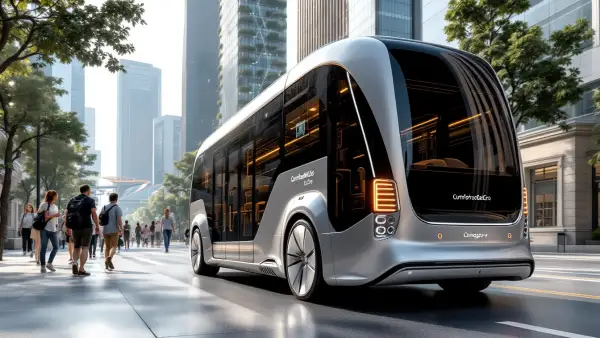
Singapore is accelerating its integration of autonomous vehicles (AVs), with a public rollout slated for 2026. ComfortDelGro, a dominant transit player, plans to launch driverless shuttles via its Zig ride-hailing app next year. But this move goes beyond convenience—it leverages localized AI refinement from real-world trials to scale intelligent transport systems efficiently.
"Countries that control infrastructure design control economic outcomes," as Singapore’s transport minister Jeffrey Siow highlighted, underscoring the strategic weight behind these AV trials.
Challenging The ‘Cost-Cutting’ Narrative
Industry observers often frame AV introduction as a labor cost reduction play amid manpower shortages. That view misses the core mechanism: constraint repositioning. Singapore’s government and ComfortDelGro are not just replacing drivers; they are redesigning transit’s operational framework to unlock compounding efficiencies.
This system-level thinking echoes the subtle failures seen in tech layoffs analyzed in "Why 2024 Tech Layoffs Actually Reveal Structural Leverage Failures" — pointing out how targeting symptoms, rather than constraints, fails to generate sustainable advantages.
Real-World Data Integration: The Local AI Leverage
ComfortDelGro’s trials with five-seat autonomous shuttles and partnerships with Chinese robotaxi firms like Pony AI and Hello Robotaxi allow continuous refinement of AI driving models using localized data.
This differs from globally mass-deployed AVs that rely on generic models. By integrating details on Singapore’s road infrastructure, traffic flows, and weather conditions, they drastically reduce edge-case errors, creating a system that improves without proportional human input. It unlocks an operational moat impossible to replicate without similar data scale and local presence.
Unlike companies spending heavily on user acquisition or generic tech development, Singapore’s AV ecosystem reduces acquisition friction by embedding AVs within existing transit apps like Zig, cutting marketing costs while extending service reach.
A Hybrid Model Combining Ride-Hailing And Robotaxis
ComfortDelGro’s strategy to blend its taxi fleet with robotaxi services creates a scalable, hybrid network. This is a robust positioning move that handles human constraints while preparing for full autonomy.
In contrast, competitors such as Grab are also pushing AVs but rely more heavily on stand-alone AV fleets and foreign partnerships, increasing integration complexity and operational constraints.
This hybrid approach taps into pre-existing customer bases and infrastructure, turning fixed asset utilization and AI learning speed into systemic advantages.
Singapore’s AV Rollout Signals Global Infrastructure Control
The shift in constraints—from managing human drivers toward optimizing AI systems tuned to local context—is a structural competitive leap. Regions that replicate Singapore’s integrated data, government backing, and hybrid operating models will leapfrog into the future of transit.
Stakeholders in transit, urban planning, and AI should monitor how these constraints evolve, as "Why WhatsApp’s New Chat Integration Actually Unlocks Big Levers" illustrates how connected platforms redefine user engagement without incremental costs.
Singapore’s model reveals this insight: “Localized systems combined with hybrid legacy integration create autonomous leverage.” The next five years will test which cities build on this foundation—and which fall behind.
Related Tools & Resources
The advancements in autonomous vehicle technology as seen in Singapore's integration of localized AI models underscore the importance of leveraging AI in development processes. Tools like Blackbox AI can empower developers and tech companies to enhance their coding efficiency and innovation, ensuring that their applications can support such forward-thinking solutions in transportation. Learn more about Blackbox AI →
Full Transparency: Some links in this article are affiliate partnerships. If you find value in the tools we recommend and decide to try them, we may earn a commission at no extra cost to you. We only recommend tools that align with the strategic thinking we share here. Think of it as supporting independent business analysis while discovering leverage in your own operations.
Frequently Asked Questions
When will Singapore launch its autonomous vehicle network?
Singapore plans a public rollout of its autonomous vehicle network in 2026, with companies like ComfortDelGro leading the deployment of driverless shuttles.
How is ComfortDelGro integrating autonomous vehicles into Singapore's transit system?
ComfortDelGro is launching five-seat autonomous shuttles via its Zig ride-hailing app, combining ride-hailing and robotaxi services into a scalable hybrid network.
What role does localized AI play in Singapore's autonomous vehicle strategy?
Localized AI refinement from real-world data on Singapore's roads, traffic, and weather enables continuous improvement of driving models, reducing edge-case errors and boosting operational efficiency.
How does Singapore's AV network differ from other autonomous vehicle deployments globally?
Unlike generic global AV models, Singapore’s system integrates local infrastructure data and traffic conditions, creating a unique operational moat that competitors with standalone AV fleets find hard to replicate.
What is the significance of the hybrid model combining ride-hailing and robotaxis?
ComfortDelGro’s hybrid model leverages existing taxi fleets alongside robotaxis, optimizing asset utilization and AI learning speed to create a robust, scalable autonomous transit network.
How might Singapore's autonomous vehicle rollout influence global transit infrastructure?
Singapore’s approach signals a structural competitive leap by shifting constraints towards AI system optimization, encouraging other regions to adopt integrated data and hybrid models to advance transit technology.
Why is the narrative of cost-cutting insufficient to explain Singapore's AV development?
The focus is on constraint repositioning and operational redesign, not just labor cost reductions, enabling sustained efficiency gains beyond replacing drivers with autonomous vehicles.
What are some partnerships ComfortDelGro has formed to support its autonomous vehicle efforts?
ComfortDelGro partners with Chinese robotaxi firms like Pony AI and Hello Robotaxi to refine AI driving models using localized trial data for enhanced system performance.