
How South Korea Built Leverage in US Navy Ship Maintenance

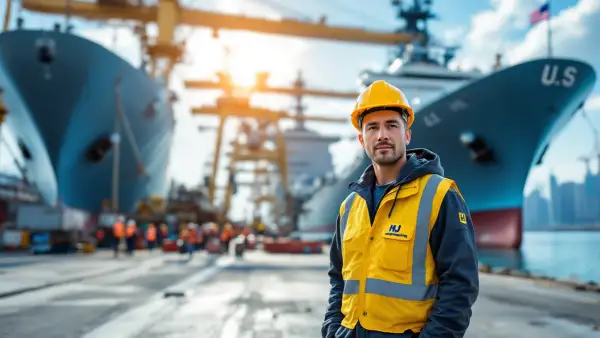
South Korea's shipyards are securing more US Navy maintenance contracts amid American shipbuilding struggles. HJ Shipbuilding and Construction recently won a contract to service the USNS Amelia Earhart starting in 2026 at the Yeongdo Shipyard in Busan. This move signals more than outsourcing; it’s a strategic shift to leverage South Korea’s industrial capacity in sustaining US naval strength. Controlling foreign shipyards changes fleet maintenance from bottleneck to multiplier.
Why outsourcing isn’t just about cutting costs
Conventional wisdom holds that sending US Navy repairs abroad is a cost-cutting measure due to underperforming domestic yards. Analysts see this as reactive, a stopgap. They’re wrong — it’s a case of constraint repositioning. By shifting maintenance to capable South Korean midsize and giant shipbuilders, the US Navy is expanding its effective capacity without scaling its own struggling infrastructure. This breaks the fallacy that military readiness depends solely on domestic industrial scale. Structural leverage failures similarly hide in tech and defense sectors alike.
How South Korea’s shipbuilding system stacks up
South Korea ranks as the world’s second-largest shipbuilder, behind China, and its yards are fully commercialized yet capable of meeting military specifications. Unlike US shipyards mired in workforce and modernization struggles, South Korean firms like Hanwha Ocean, HD Hyundai Heavy Industries, and now HJ Shipbuilding and Construction leverage deep industrial ecosystems and skilled labor pools. The contract for maintaining the USNS Amelia Earhart continues this trend. South Korea’s government strategically promotes investments both domestically and in the US to modernize allied shipbuilding industry. Meanwhile, Japan also enters the arena, adding competition and resilience to US supply chains.
The alternative — reviving US yards alone — demands billions and years to fix workforce and training issues. South Korea’s ability to deliver quality repairs on schedule in Busan, with less overhead and faster throughput, creates a compounding advantage for the US Navy. They’re not just low-cost options but reliable capacity nodes integrated into US defense logistics.
What this means for US naval readiness and strategy
The critical constraint in US shipbuilding is workforce scarcity and yard modernization. By offloading maintenance to South Korea’s proven yards, the US Navy unlocks immediate scalability without compromising quality. This creates a hybrid network that fuses domestic infrastructure with allied commercial systems — a form of distributed leverage many operators miss.
Operators managing capacity-constrained systems can learn from this: expanding beyond local bottlenecks to qualified external partners scales outcomes faster and with less friction. Watch for South Korea and Japan deepening their military-industrial roles, especially as geopolitical tensions heighten Pacific stakes.
This realignment also pressures China’s shipyards, which dominate global volume but blur commercial and military lines, exposing systemic fragility. The US-South Korea partnership highlights a path to resilience through specialized, trusted allies rather than sheer volume. Military production surges elsewhere confirm distributed leverage drives sustainable strength.
Aligning allied industrial bases creates asynchronous advantages that cannot be easily disrupted.
Related Tools & Resources
In the context of optimizing maintenance and production capabilities discussed in the article, tools like MrPeasy can be instrumental for manufacturers. By streamlining manufacturing management and improving inventory control, businesses gain the agility to respond to complex demands just as the article highlights the strategic shift in ship maintenance. Learn more about MrPeasy →
Full Transparency: Some links in this article are affiliate partnerships. If you find value in the tools we recommend and decide to try them, we may earn a commission at no extra cost to you. We only recommend tools that align with the strategic thinking we share here. Think of it as supporting independent business analysis while discovering leverage in your own operations.
Frequently Asked Questions
Why is South Korea gaining more US Navy ship maintenance contracts?
South Korea's shipyards, including HJ Shipbuilding and Construction, offer skilled labor, industrial capacity, and faster throughput, enabling them to overcome US domestic shipyard constraints starting with a 2026 contract for the USNS Amelia Earhart.
How does outsourcing ship maintenance affect US naval readiness?
Outsourcing to South Korean yards expands effective maintenance capacity immediately without the years and billions needed to modernize US yards, creating a hybrid allied network that maintains quality and scalability.
What challenges do US shipyards currently face?
US shipyards struggle with workforce scarcity, modernization delays, and infrastructure issues, making it difficult to keep up with naval maintenance demands without external partners.
How significant is South Korea in the global shipbuilding industry?
South Korea is the world’s second-largest shipbuilder after China, with fully commercialized yards that meet military specifications and deep industrial ecosystems supporting advanced shipbuilding capabilities.
Which South Korean companies are involved in US Navy ship maintenance?
Companies like HJ Shipbuilding and Construction, Hanwha Ocean, and HD Hyundai Heavy Industries are key players leveraging their industrial capacity to service US Navy vessels.
What strategic benefits does the US gain from partnering with South Korean shipyards?
The partnership unlocks scalable maintenance capacity, enhances supply chain resilience, reduces bottlenecks, and integrates trusted allies into US defense logistics at lower overhead and faster turnaround.
How does Japan's involvement impact US naval logistics?
Japan's entry into ship maintenance competition adds resilience and diversification to US supply chains, complementing South Korea's role amid rising Pacific geopolitical tensions.
What risks do Chinese shipyards pose compared to South Korea's?
China dominates global shipbuilding volume but blurs commercial and military uses, creating systemic fragility. The US-South Korea partnership emphasizes specialized trusted allies for reliable military logistics.