
How Swire Hotels Built Luxury Appeal by Redefining Experience

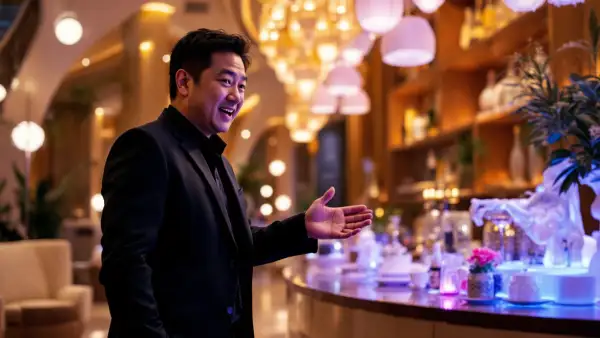
Luxury hotels in Hong Kong and across East Asia face a demand shift: younger travelers want experiences instead of generic opulence. Swire Hotels is responding by expanding its Upper House brand, designed under André Fu’s vision, with a focus on emotional connection and personalized stays starting with just over 100 rooms. This isn’t about marble or fabrics—it’s about a signature atmosphere tailored for modern travelers, turning hotels into resonant spaces that feel like homes. “Luxury is not about the fabrics. It’s about feeling,” Fu says, emphasizing how a well-designed space creates value without constant human intervention.
Challenging the ‘Bigger Is Better’ Assumption
Conventional wisdom in hospitality ties luxury to scale—big properties with expansive amenities. Swire Hotels breaks this by limiting Upper House properties to around 100 rooms. This constraint isn’t accidental; it’s a strategic repositioning to enable genuine personalization that’s impossible at larger hotels. As Toby Smith explains, managing true luxury at scale diffuses the emotional connection younger travelers crave. This insight mirrors larger tech and operational failures where scale without system design leads to leverage breakdown, as detailed in Why 2024 Tech Layoffs Actually Reveal Structural Leverage Failures.
Building Emotional Resonance Through Design Systems
André Fu’s design ethos for Upper House Hong Kong is about crafting an environment where guests feel central, not peripheral. Unlike cookie-cutter luxury hotels focused on opulence, Fu creates spaces where the architecture and interiors evoke emotion and connection—working as a system that amplifies guest experience without requiring constant staff input. This design leverages atmosphere as a scalable asset, much like how OpenAI transformed user engagement by embedding personalization into its AI architecture.
Expansion plans for Upper House in Shenzhen, Xi’an, Tokyo, and Bangkok follow a similar leverage mechanism. By partnering with firms like Büro Ole Scheeren and Foster + Partners, Swire scales the brand’s distinct “house, not hotel” experience across cities via systematized design principles rather than just building bigger or flashier hotels.
Why This Matters to Luxury Hospitality Operators
The key constraint this approach addresses is managing authentic, high-touch luxury at scale. Most luxury chains lose the emotional element as room counts grow beyond 100. Swire Hotels turned this into a design and operational lever—smaller scale enabling better guest-brand resonance and justifying premium pricing despite high construction costs. This move offers a clear path forward in markets where tourism demand is diversifying beyond traditional sources like Mainland China, Europe, and the U.S.. Increasing visitors from the Middle East and India expect experiential stays, making this system of emotional design leverage even more valuable.
Hospitality operators who ignore the intangible connection risk commoditizing luxury. Swire’s focus on feeling over flashy materials illustrates: “Luxury that resonates reduces reliance on scale and arbitrary opulence.” This principle echoes broader shifts where scalable systems rooted in emotion and personalization outperform investments in mere capacity expansion, an insight linking to Why Dynamic Work Charts Actually Unlock Faster Org Growth.
As Upper House expands in Asia, the brand’s systemized design and scale constraints reshape luxury hospitality playbooks. Cities that adopt this model will attract wealthier tourists seeking authentic experiences rather than status symbols. That shifts the competitive frontier from bricks and mortar to emotional design as leverage.
Related Tools & Resources
As Swire Hotels responds to the demand for personalized and experiential stays, interactive communication tools can enhance this shift. Brevo's all-in-one marketing platform can help hospitality brands automate their email and SMS marketing efforts, ensuring timely and relevant connections with guests. This enables hotels to engage with modern travelers effectively, providing the personalized interaction that reflects the emotional resonance discussed in the article. Learn more about Brevo →
Full Transparency: Some links in this article are affiliate partnerships. If you find value in the tools we recommend and decide to try them, we may earn a commission at no extra cost to you. We only recommend tools that align with the strategic thinking we share here. Think of it as supporting independent business analysis while discovering leverage in your own operations.
Frequently Asked Questions
How does Swire Hotels redefine luxury in its Upper House brand?
Swire Hotels redefines luxury by focusing on emotional connection and personalized stays rather than traditional opulence. Their Upper House brand limits properties to just over 100 rooms to create intimate, resonant spaces tailored for modern travelers.
Why does Swire Hotels limit Upper House properties to around 100 rooms?
They limit Upper House hotels to about 100 rooms to maintain genuine personalization and emotional connection that larger hotels struggle to offer. This size constraint allows for a high-touch luxury experience that resonates with younger travelers seeking authenticity.
Who is the designer behind the Upper House hotel brand?
André Fu is the designer behind the Upper House brand. His design ethos centers on crafting environments that evoke emotional resonance and connection, making guests feel central through scalable design systems.
What is the significance of emotional design in Swire Hotels' strategy?
Emotional design is central to Swire Hotels' strategy as it creates a signature atmosphere that feels like home, reducing reliance on flashy materials. This leverages atmosphere as a scalable asset for personalized guest experiences without constant staff intervention.
Which cities are included in Upper House's expansion plans?
Upper House plans to expand into Shenzhen, Xi’an, Tokyo, and Bangkok. These expansions continue the brand’s systematized approach to design, partnering with firms like Büro Ole Scheeren and Foster + Partners.
How does Swire Hotels compare to traditional luxury hotel models?
Unlike traditional luxury hotels that equate size and opulence with luxury, Swire Hotels emphasizes smaller scale and emotional resonance. Their design and operational approach prioritize personalization over expanding amenities or room count.
Why is the experience-focused luxury model important for modern travelers?
Modern travelers, especially younger ones, demand personalized and experiential stays rather than generic luxury. Swire Hotels' model meets these expectations by offering authentic, emotionally resonant environments tailored to this demographic.
How do interactive marketing tools support Swire Hotels' approach?
Interactive marketing tools like Brevo’s platform help automate timely and relevant communications via email and SMS. This automation supports the personalized, emotional engagement Swire Hotels aims for in connecting with modern guests.