
How Tesla Turned a Cybertruck Fail Into a Marketing Powerplay

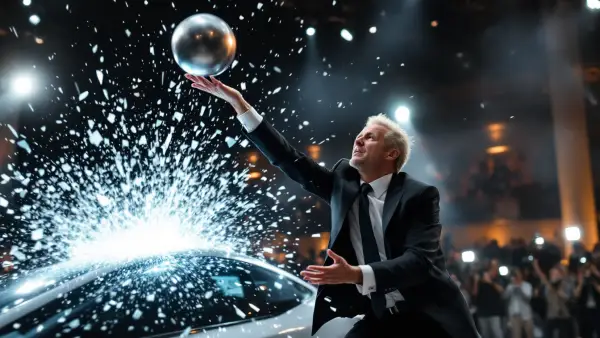
The 2019 reveal of the Tesla Cybertruck included a dramatic moment when chief designer Franz von Holzhausen unintentionally shattered a $61,000 vehicle’s “armor glass” window by throwing a steel ball. Despite the apparent design failure, Tesla converted the incident into viral marketing, generating over 200,000 preorders shortly after.
This moment is more than a fluke—it exposes a rare form of operational leverage rooted in how Tesla embraces unpredictability to amplify brand presence without traditional advertising. Elon Musk’s companies, including SpaceX and xAI, even bought unsold Cybertrucks to manage inventory and preserve perceived demand.
But beneath the spectacle lies a deeper mechanism: Tesla’s
"Turning unexpected mishaps into marketing gold drives valuation without control costs," says this reveal’s strategic core.
Why traditional marketing views Tesla’s Mishap as a Problem
Conventional wisdom treats product failures as liabilities that erode trust and require costly remediation. The shattered glass was a textbook example of a demonstration “going wrong” — one that precipitated a stock dip and seismic skepticism about the Cybertruck’s viability.
Yet this view misses how Tesla’sconstraint repositioning rather than constraint elimination.
Leveraging Viral Moments to Offset Traditional Market Constraints
Tesla circumvented typical automotive launch costs—normally tens of millions in advertising—by capitalizing on internet memes and social chatter sparked by the broken glass incident. The resulting 200,000 orders were not bought with ads but earned through a cultural lever: meme virality.
Unlike legacy automakers who focus on polished launches, Tesla exploits imperfect events to generate *earned media*, lowering customer acquisition cost well below competitors who spend $8-15 per install on digital ads, as detailed in analyses like OpenAI's ChatGPT launch.
Even the official follow-up effort—selling a $45 T-shirt alluding to the botched demo—transformed a failure into a revenue-generating product and brand signal.
How Tesla’s Internal Ecosystem Manages Demand and Inventory Leverage
Despite production delays and recalls—for example, the March 2025 recall of all 46,000 Cybertrucks—Tesla maintains system-level control by repurposing excess inventory. An anonymous source revealed that SpaceX and xAI purchased thousands of Cybertrucks, effectively stabilizing demand metrics and protecting the truck’s market perception.
This strategic stock absorption is a rarely seen form of leverage: it manages constraint at the inventory and perception layer rather than through price cuts or layoffs.
The approach contrasts with competitors like Ford, which recently discontinued the all-electric F-150 Lightning after falling demand, showing how Tesla’s
What Operators Should Learn and Act On Next
The changed constraint with Tesla’s
Companies can design systems that extract compounding benefits from brand culture, social media virality, and internal ecosystem synergies, as this incident reveals. Tesla’s evolving safety systems and inventory moves show leverage comes from managing complex constraints, not eliminating one-dimensional risk alone.
Similar leverage is visible in tech scale plays like OpenAI’s ChatGPT growth, where unpredictable viral adoption is systematized.
Moving forward, companies that build flexible narrative and inventory control systems will outpace those relying solely on rigid product perfection or advertising spend.
“Control the story and your stockpile before the product ships.”
Related Tools & Resources
For brands aiming to leverage unexpected moments like Tesla did, platforms like Brevo provide effective solutions for email marketing and automation. By harnessing the power of viral moments through targeted campaigns, you can engage customers and turn unforeseen events into opportunities for brand growth. Learn more about Brevo →
Full Transparency: Some links in this article are affiliate partnerships. If you find value in the tools we recommend and decide to try them, we may earn a commission at no extra cost to you. We only recommend tools that align with the strategic thinking we share here. Think of it as supporting independent business analysis while discovering leverage in your own operations.
Frequently Asked Questions
What happened during Tesla's 2019 Cybertruck reveal?
During the 2019 reveal, Tesla's chief designer Franz von Holzhausen accidentally shattered a Cybertruck's "armor glass" window by throwing a steel ball, which sparked viral attention and contributed to over 200,000 preorders shortly after.
How did Tesla turn the Cybertruck fail into a marketing advantage?
Tesla leveraged the viral moment from the broken glass incident to generate massive social media buzz and memes, avoiding traditional advertising costs while boosting customer engagement and preorder volume.
How many Cybertruck preorders did Tesla receive following the reveal incident?
Tesla received over 200,000 Cybertruck preorders shortly after the 2019 reveal incident, driven largely by viral marketing rather than paid ads.
What role did Tesla’s internal ecosystem play in managing Cybertruck demand?
Tesla's internal ecosystem companies like SpaceX and xAI bought thousands of unsold Cybertrucks to stabilize demand metrics and maintain positive market perception, a rare strategic inventory leverage.
What was the significance of Tesla selling a $45 T-shirt?
The $45 T-shirt referencing the botched Cybertruck demo turned a failure into a revenue-generating product and a brand signal, capitalizing on the viral moment.
How does Tesla's approach to marketing differ from traditional automakers?
Unlike legacy automakers that focus on polished product launches and costly advertising, Tesla embraces unpredictability and viral culture to earn media, substantially lowering customer acquisition costs.
What lessons can operators learn from Tesla’s Cybertruck launch?
Operators can learn to focus on narrative control and leveraging uncontrollable events as assets, building systems that extract value from brand culture, social media virality, and ecosystem synergies rather than relying solely on product perfection or advertising spend.