
How the EU's Tariff Review on VW EVs Built in China Reshapes Auto Trade

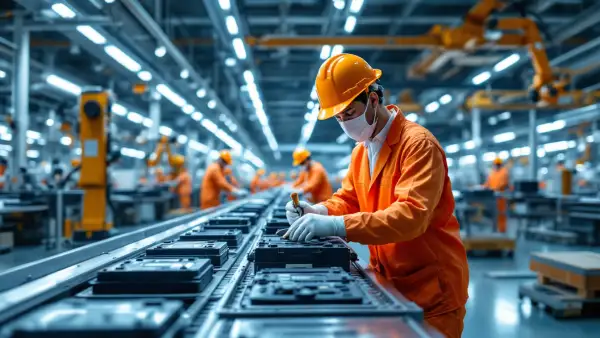
EU tariffs on electric vehicles imported from China typically add significant costs. Volkswagen's proposal for the EU to remove tariffs on its China-built EVs challenges this norm. This move isn't just about price cuts—it's about reconfiguring supply chain leverage in global auto manufacturing. Tariff removal will reshape competitive positioning in EV markets.
Volkswagen is seeking the EU's approval to eliminate tariffs for EVs built in its China plants, reported recently by Reuters. This shift aims to reduce costs and increase competitiveness against other automakers still manufacturing within Europe. By shifting tariff burdens, VW plans to turn production geography into a strategic advantage, refocusing investment and consumer pricing.
Why Standard Trade Assumptions Misread Global EV Cost Dynamics
Conventional narratives treat tariffs simply as protection or revenue tools. Analysts commonly assume tariff removal benefits all producers equally by lowering retail prices. However, this overlooks how tariff concessions reposition constraints within multinational production systems.
This act shifts leverage from local production constraints to control over cross-border supply chains and manufacturing footprints. Unlike firms building EVs solely within Europe, VW exploits its existing China factories, turning tariff policies into an asset, not a hindrance.
Read more on how corporate pivots expose structural failures in tech and manufacturing at Think in Leverage.
VW’s China EV Production: A Leverage Point Against European Factory Costs
VW’s China-built EVs are subject to approximately 10% EU tariffs, increasing retail prices or shrinking margins. Europe-based automakers like BMW and Mercedes face higher production costs without this tariff escape hatch.
This regulation shapes the supply chain economics: Rather than competing primarily on efficiency, automakers compete on tariff arbitrage and offshore scale. VW leverages lower-cost Chinese manufacturing and tariff-free EU access to undercut rivals without direct price wars.
Compare this to Tesla, which mainly produces in the US and Germany, facing fewer tariff benefits but tighter quality control and delivery speed advantages.
The mechanism here is a cross-border production system that _automates cost advantages_ through geography and policy rather than ongoing operational finesse.
Strategic Implications for EU and Global Auto Markets
The key constraint is tariff policy, not factory output or labor costs. By shifting this constraint, VW gains a systemic advantage without building new plants or cutting unit costs.
This shift pressures European governments to rethink industrial policy—either to support local production more aggressively or allow global integration to dominate. Asian markets beyond China could replicate such leverage if tariff barriers ease similarly.
Industry operators must understand this tactic: tariff concessions empower scale and geography as strategic levers far beyond simple cost-cutting.
For a view on similar leverage shifts in international supply chains, see how the U.S.–Swiss $200B deal quietly slashed tariff costs by 39% at Think in Leverage.
Why This Changes the Playbook for Auto Supply Chains
The leverage mechanism here is _constraint repositioning_: changing the choke point from raw manufacturing costs to tariff structures.
By removing EU tariffs on VW’s China-built EVs, the entire industry faces new margin and investment pressures. This compels rivals to either offshore production or negotiate similar tariff deals, reshaping global auto trade flows for years.
Leverage is no longer just about factories or technology, but _policy-driven geography_ acting as a compounding competitive moat.
Operators ignoring this risk falling behind in an industry rewriting its competitive rules. “Tariffs are now production levers, not just trade barriers.”
For deeper insights on system-level shifts in production, read how Jaguar Land Rover’s cyber shutdown revealed fragility at Think in Leverage.
Related Tools & Resources
For manufacturers looking to navigate the complexities of tariffs and supply chain management discussed in the article, tools like MrPeasy provide essential manufacturing ERP solutions. Streamlining production management and inventory control can give manufacturers a competitive edge as they adjust to shifting tariff landscapes. Learn more about MrPeasy →
Full Transparency: Some links in this article are affiliate partnerships. If you find value in the tools we recommend and decide to try them, we may earn a commission at no extra cost to you. We only recommend tools that align with the strategic thinking we share here. Think of it as supporting independent business analysis while discovering leverage in your own operations.
Frequently Asked Questions
What is the EU tariff rate on Volkswagen's China-built electric vehicles?
The EU currently imposes approximately a 10% tariff on Volkswagen's electric vehicles built in China, which increases retail prices or reduces profit margins for these vehicles.
How would removing tariffs on VW’s China-built EVs impact the European auto market?
Removing these tariffs would allow VW to reduce costs and gain a strategic advantage by leveraging lower-cost Chinese manufacturing, potentially pressuring European automakers and reshaping competitive positioning in the EV market.
Why do tariffs on EV imports matter for global auto manufacturing?
Tariffs affect the cost structure and supply chain leverage by shifting constraints from factory costs to cross-border policies. They can change competitive dynamics by favoring manufacturers with tariff-free production access.
How does Volkswagen’s strategy differ from other automakers like BMW or Tesla?
Unlike BMW and Mercedes, which primarily manufacture within Europe and face higher costs, VW uses its China factories to benefit from tariff arbitrage. Tesla mainly produces in the US and Germany, facing fewer tariff benefits but advantages in quality control and delivery speed.
What are the strategic implications of tariff removal for European governments?
European governments may need to reconsider industrial policies, either by strengthening support for local manufacturing or accepting greater global integration as firms like VW leverage tariff policies for competitive advantage.
How can manufacturers adapt to the changing tariff and supply chain landscape?
Manufacturers can streamline operations with tools like MrPeasy’s manufacturing ERP to better manage production and inventory amid shifting tariff environments and complex supply chains.
What does 'constraint repositioning' mean in the context of this tariff review?
Constraint repositioning refers to shifting the main competitive limitation from manufacturing costs to tariff structures, allowing companies like VW to use policy and geography as strategic levers.
Could other Asian markets replicate Volkswagen’s tariff leverage strategy?
Yes, if tariff barriers are eased similarly, Asian markets beyond China could gain strategic advantages by leveraging tariff concessions to scale production and compete globally.