
How Trump’s $5B BBC Lawsuit Changes Defamation Dynamics

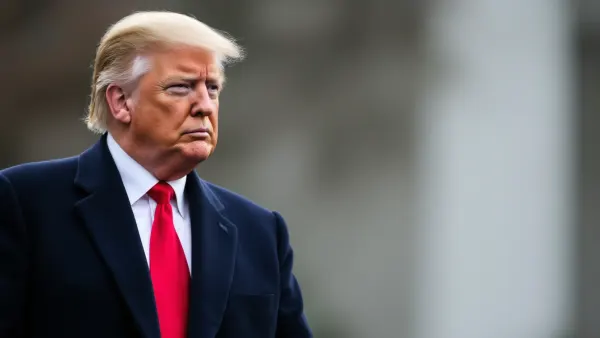
High-profile defamation suits rarely reach billion-dollar figures. Donald Trump has filed a $5 billion lawsuit against the BBC, challenging its January 6 coverage in the documentary Trump: A Second Chance. Yet this isn’t a typical courtroom drama—this suit reveals new leverage in media disputes where narrative control intersects with political timing. Legal battles now hinge more on content editing than just words spoken.
Trump’s team filed the suit in a Florida federal court, centering on the BBC’s edited footage of his January 6 speech near the White House, aired just before the 2024 election. His legal counsel demanded a $1 billion retraction in November, escalating to $5 billion damages after the BBC offered an apology but denied defamation claims. This conflict highlights how **strategic editing in documentaries can create systemic leverage to influence public perception—and legal stakes—at scale.**
The conventional view treats defamation suits as battles over false statements. They ignore that narrative construction through editing functions like a leverage machine: it shifts the entire story's framework without new claims. This matters especially against broadcast giants like the BBC, whose content shapes millions of minds without constant human fact-checking intervention.
Editing as Leverage: Documentaries Redefine Defamation Constraints
Defamation claims traditionally rely on proving falsehoods in explicit statements. Here, Trump’s lawsuit targets the mechanics of video editing—how sequencing or clip selection influences interpretation. The BBC apologized for the edit but rejected a legal basis for defamation, revealing a key constraint: editorial discretion sits in a gray zone between storytelling and perceived truth.
Unlike social media posts or live speeches, documentaries embed editorial choices that implicitly assert narrative intent. This system-level edit can manipulate audience perception without adding new spoken content, raising novel legal questions. It’s not about what was said, but what was shown—and strategically emphasized.
This dynamic parallels how companies leverage platform design to compound influence without direct content creation, shown in cases like OpenAI scaling ChatGPT usage. Here, BBC’s editing choices act as leverage—shaping reputational risk external to continuous human oversight.
Comparing Global Media Constraints: Why the UK’s Public Broadcaster Faces Unique Pressure
In the UK, the BBC operates under strict editorial guidelines and public scrutiny, unlike many commercial broadcasters globally. This creates a tension between journalistic independence and legal vulnerability. In contrast, US networks operate with broader First Amendment protections.
Other countries with state-backed media face similar leverage constraints, but the BBC’s global reputation as a high-trust institution means even minor editorial missteps generate outsized consequences. This differs from outlets in countries like Russia or China, where government editorial control limits lawsuits but also reduces perception of credibility.
Compared to broadcasters relying mostly on live reporting, the documentary format’s post-production editing creates a discreet leverage point unseen by casual viewers. This structural advantage lets media entities influence elections and political narratives long after events occur—without repeated human intervention.
Legal Leverage in Media: The Future Beyond Spoken Words
The clear constraint exposed is how timing and format redefine defamation boundaries. Lawsuits like Trump’s against the BBC show political actors exploiting legal leverage by targeting editorial mechanisms rather than outright falsehoods. This forces broadcasters to rethink content workflows, balancing narrative power with reputational risk.
Operators must watch this evolving interplay: it shifts strategic advantage toward those mastering combined leverage of legal frameworks, media timing, and post-production control. Broadcasters without layered, automated oversight risk compounding liability during politically sensitive periods.
Other media markets—especially in democracies facing polarized electorates—will replicate this pattern, sharpening the weaponization of documentary editing. The BBC’s apology and refusal to retract signal no easy legal exit, underscoring that controlling narrative systems is a core battleground.
“Editing narrative content is the new leverage frontier for political influence and reputational control.”
Follow this dynamic closely. The shifts impact not only legal risks but how businesses design **automated content systems that align with evolving public and political constraints.**
For deeply structural analysis of constraint repositioning, see why 2024 tech layoffs reveal leverage trap, and how OpenAI scaled ChatGPT using platform leverage. The lessons apply well beyond media law.
Related Tools & Resources
As media narratives continue to reshape public perception, it’s essential for marketers and businesses to leverage advanced insights. Platforms like Hyros provide powerful ad tracking and marketing attribution tools, allowing you to fully understand the impact of your messaging, just like the legal scrutiny faced by the BBC highlights the importance of narrative control. By strategically managing your marketing efforts, you can maximize your influence and minimize reputational risks. Learn more about Hyros →
Full Transparency: Some links in this article are affiliate partnerships. If you find value in the tools we recommend and decide to try them, we may earn a commission at no extra cost to you. We only recommend tools that align with the strategic thinking we share here. Think of it as supporting independent business analysis while discovering leverage in your own operations.
Frequently Asked Questions
What is the basis of Donald Trump's $5 billion lawsuit against the BBC?
Donald Trump's $5 billion lawsuit targets the BBC’s edited footage of his January 6 speech aired in the documentary 'Trump: A Second Chance.' The suit challenges how the BBC's editorial choices allegedly manipulated public perception ahead of the 2024 election.
How does editing in documentaries affect defamation claims?
Editing in documentaries can influence interpretation by selecting and sequencing clips, which can alter narrative framing without new spoken content. Trump's lawsuit highlights that such editorial discretion sits in a gray zone, redefining defamation boundaries beyond false statements.
Why did the BBC apologize but deny defamation in Trump’s lawsuit?
The BBC apologized for the editing but denied defamation claims, emphasizing that editorial discretion allows storytelling choices that don't necessarily meet legal defamation criteria. This refusal to retract keeps the case in a complex legal gray area regarding narrative editing.
What makes the BBC uniquely vulnerable to this kind of lawsuit?
The BBC operates under strict editorial guidelines and public scrutiny, carrying a high-trust global reputation. Minor editorial missteps can generate significant legal and reputational consequences, unlike broadcasters in countries with different media controls.
How might Trump’s lawsuit influence future media lawsuits?
Trump’s suit signals a shift toward targeting editorial mechanisms and timing in defamation suits rather than solely false statements. This could lead to more legal risks for broadcasters using post-production editing, especially around politically sensitive events.
What role do timing and political context play in this defamation case?
The lawsuit focuses on how the BBC’s documentary aired near the 2024 election, suggesting timing amplifies the legal stakes. Political timing combined with strategic editing creates leverage affecting public perception and reputational risk.
How can businesses learn from this media legal battle about managing reputational risk?
Businesses can apply these insights by strategically managing narrative and timing in their content and marketing workflows. Using advanced tools like Hyros can help monitor messaging impact and minimize reputational risks through better attribution and control.