
How Uber’s Dallas Self-Driving Taxis Shift Robotaxi Leverage

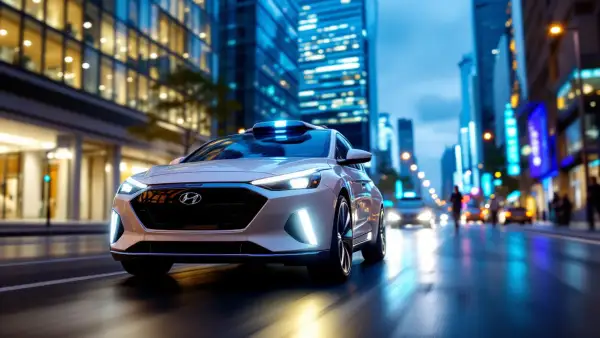
Robotaxis are accelerating across the US, with Uber just launching self-driving cars in Dallas. The fleet uses Hyundai Ioniq 5 EVs powered by Avride's autonomous system, initially staffed with human safety drivers. But this rollout isn’t just about adding robots to ride-hailing—it resets the industry’s operational constraints.
Uber is now in three major US cities offering robotaxi rides, partnering with Waymo in Austin and Atlanta and with Avride in Dallas. A key move is letting customers choose between fully autonomous and human-driven rides, blending automation with human fallback. This hybrid service shapes how fleets scale without losing user trust.
Behind the scenes, Uber's strategy rewires the leverage point away from costly full ownership of robotaxi tech, toward scalable partnerships embedding autonomous vehicles within its massive ride network.
“Leverage comes from transforming constraints, not just cutting costs.”
Robotaxis Aren’t Just Cost-Cutters — They Reposition Service Constraints
Many analysts view self-driving taxis as a mere driver cost reduction. That’s too narrow.
The real advantage lies in constraint repositioning: Instead of building robotaxis from scratch, Uber partners with specialized startups like Avride and Waymo. This shifts the industry’s key bottleneck from expensive R&D and manufacturing to network integration and fleet deployment.
This strategy avoids years of capital lock-in and replicates faster, as seen in leveraged tech pivots where asset-light approaches outpace heavy infrastructure bets.
Partner Networks Outpace Vertical Integration in Robotaxi Rollouts
Waymo, owned by Google, exemplifies the vertically integrated model, operating robotaxis from San Francisco to Austin and now Dallas, including fully driverless cars. It invests heavily in proprietary tech and hardware.
In contrast, Uber relinquished its own robotaxi development early, opting to plug multiple autonomous fleets into its vast ride-hailing marketplace — including Pony.AI and WeRide internationally. This diversification reduces dependence on a single autonomous stack and multiplies geographic reach.
Unlike competitors spending upwards of $8-15 per human-driven install on ride acquisition, Uber's seamless app integration turns third-party autonomous vehicles into supply-side leverage. This grants nearly instant scale and user trust without rebuilding the entire autonomous system.
See parallels in platform scaling strategies that emphasize ecosystem over ownership.
Driver Safety and User Control Create Trust Layers for Scale
Another subtle constraint Uber addresses is user adoption risk by initially including human safety drivers in Dallas. Allowing customers to opt for human-driven rides lowers barriers to trial, accelerating volume without sacrificing service reliability.
This layered trust mechanism is a leverage point that self-driving startups like Waymo accelerate from by eventually removing drivers in select markets. The staged removal controls safety and liability while gradually shifting operational costs from humans to automation.
This incremental approach resembles Tesla’s evolving safety leverage—layering human and machine to climb adoption curves without catastrophic setbacks.
Robotaxi Leverage Is a Race to Own the Platform, Not the Car
The key constraint Uber has realigned is not self-driving technology itself—it is the distribution and network platform that connects riders and AV fleets across cities like Dallas, Austin, and Atlanta.
Uber mobilizes multiple partners’ autonomous systems under one app roof, turning fragmented hardware investments into a collective leveraged asset. The investment flows from R&D into platform orchestration and trust engineering.
Other cities and countries aiming to break into robotaxis should focus less on building vehicles and more on building marketplaces that connect fleets with users smoothly. This shift compresses rollout timelines and multiplies competitive advantage.
“Autonomous ride-hailing is a network game—the platform wins by orchestrating partners, not owning wheels.”
Related Tools & Resources
As Uber navigates the complexities of integrating autonomous vehicles into its platform, leveraging data and analytics becomes paramount. This is where tools like Hyros shine, enabling businesses to track performance, understand ROI, and optimize their marketing strategies in real-time. For companies looking to replicate Uber's model of agile growth and trust engineering, an advanced ad tracking solution like Hyros could be the key to maximizing operational efficiency and customer engagement. Learn more about Hyros →
Full Transparency: Some links in this article are affiliate partnerships. If you find value in the tools we recommend and decide to try them, we may earn a commission at no extra cost to you. We only recommend tools that align with the strategic thinking we share here. Think of it as supporting independent business analysis while discovering leverage in your own operations.
Frequently Asked Questions
What cities in the US currently offer Uber's robotaxi services?
Uber offers robotaxi rides in three major US cities: Dallas, Austin, and Atlanta. In Dallas, they use Avride's autonomous system, while in Austin and Atlanta, they partner with Waymo.
How does Uber integrate autonomous vehicles into its ride-hailing platform?
Uber partners with multiple specialized startups, such as Avride, Waymo, Pony.AI, and WeRide, embedding their autonomous fleets into Uber's marketplace rather than building the technology itself. This approach scales quickly and leverages Uber's existing network.
What is Uber's approach to ensuring safety during the initial rollout of self-driving taxis?
Initially, Uber includes human safety drivers in Dallas to enhance user trust and safety. Customers can choose between fully autonomous rides or human-driven ones, enabling a gradual adoption without compromising reliability.
How does Uber’s robotaxi strategy differ from Waymo’s model?
Waymo uses a vertically integrated model, developing proprietary technology and hardware, while Uber focuses on a platform model, integrating multiple autonomous fleets through partnerships to scale efficiently.
What operational constraint does Uber shift by partnering rather than owning robotaxi tech?
Uber shifts the key bottleneck from expensive R&D and hardware manufacturing to platform orchestration and network integration, leveraging partnerships to avoid capital lock-in and accelerate deployment.
Why is Uber's approach to robotaxis called a "network game"?
Because Uber focuses on orchestrating multiple autonomous vehicle partners under one platform, turning fragmented hardware investments into a unified network asset that drives scale and user trust.
What benefits do customers get from the hybrid autonomous and human-driven ride options?
Customers can choose between fully autonomous rides or those with human drivers as a fallback, which reduces adoption risk, enhances safety, and builds trust during the transition to driverless technology.
How does Uber’s automated ride-hailing model impact rollout speed and competitive advantage?
By focusing on marketplace and platform orchestration instead of vehicle development, Uber compresses rollout timelines and easily multiplies geographic reach, gaining competitive leverage in the autonomous ride-hailing industry.