
How US-China Soybean Trade Resumption Changes Global Supply Chains

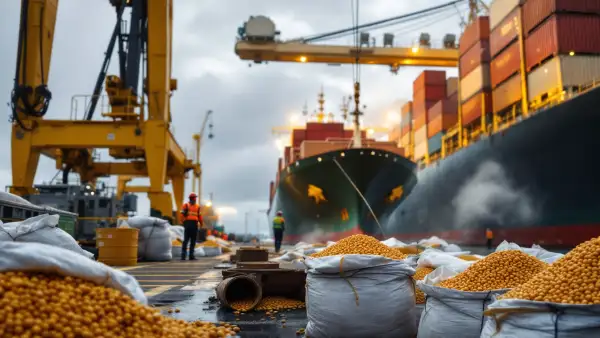
Shipping costs and tariffs have kept Chinese soybean buyers wary, favoring regional suppliers despite higher prices. Several US soybean cargoes are now preparing to head to China, following a new trade pact opening direct shipments once again.
This diplomatic reset between China and the US isn't just about trade volume—it shifts the logistics networks that govern agricultural supply and pricing worldwide. The resumption illustrates how geopolitical leverage shapes market infrastructure beyond simple tariff adjustments.
China's soy import strategy reflects a broader mechanism: controlling commodity sourcing pipelines multiplies leverage over global food chains, allowing it to pivot swiftly in response to geopolitical constraints. Operators must see this as infrastructure leverage, not just trade.
Control over supply channels becomes economic power that compounds across industries.
Challenging the Tariff-Centric View of Trade Resumption
Most analysts focus on tariffs and pricing when evaluating US-China soybean trade. They miss the system-level shift in constraint repositioning this creates. The underlying leverage mechanism is about who owns and controls the physical flow of goods—shipping schedules, storage, and port access.
This is comparable to the tech sector's scaling challenges, like how OpenAI optimized infrastructure once bandwidth constraints were resolved. It’s not just product demand, but controlling critical supply bottlenecks that define leverage.
Why Direct Cargo Lineups to China Reflect Supply Chain Control
By preparing US soybean cargoes directly for Chinese ports, shippers bypass intermediaries and costly warehousing delays. Unlike other major soybean exporters like Brazil or Argentina, which often depend on third-party logistics chains, the US is positioning itself with a more direct supply chain foothold.
This reduces transaction friction, lowers overall costs, and accelerates delivery times, slashing the constraint around capital tied up in transit. USPS's pricing shift in logistics similarly signals how operational tweaks cascade into systemic cost advantages.
How Supply Chain Leverage Compounds Beyond Agriculture
China’s trade policy reset enables a multiplier effect—controlling soybean flows gives it leverage in agricultural inputs for animal feed, biofuels, and even chemical feedstocks. This creates an interconnected leverage web that ties commodity sourcing to manufacturing and consumption.
Unlike fragmented supply chains that leave buyers exposed, the direct US-China linkage shifts constraints upstream, simplifying negotiation and reducing execution risks. This echoes insights from WhatsApp’s chat integration unlocking bigger system advantages beyond messaging.
Who Wins—and What Comes Next for Global Trade Systems
This trade reopening recalibrates supply chain constraints, shifting leverage toward US agricultural exporters with robust logistics. Emerging economies dependent on soybean imports must reconsider sourcing strategies quickly.
Operators and strategists should watch how infrastructure ownership—not just pricing—opens compound advantage pathways in global commerce. Countries like Brazil and Argentina will need to innovate logistics and storage or risk margin erosion.
Controlling supply pipelines quietly rewrites the rules of trade leverage worldwide.
Related Tools & Resources
As supply chains become more complex and require robust management, tools like MrPeasy can empower manufacturers to streamline their operations. By utilizing an ERP system, businesses can efficiently manage production planning and inventory, ensuring they respond rapidly to shifts in trade dynamics and logistical challenges just like the ones highlighted in the US-China soybean trade story. Learn more about MrPeasy →
Full Transparency: Some links in this article are affiliate partnerships. If you find value in the tools we recommend and decide to try them, we may earn a commission at no extra cost to you. We only recommend tools that align with the strategic thinking we share here. Think of it as supporting independent business analysis while discovering leverage in your own operations.
Frequently Asked Questions
How does the US-China soybean trade resumption affect global supply chains?
The resumption enables direct shipments of US soybean cargoes to China, bypassing intermediaries and reducing costs. This shift alters logistics networks and strengthens US supply chain control, impacting pricing and market leverage worldwide.
Why are shipping costs and tariffs influential in US-China soybean trade?
Shipping costs and tariffs had previously made Chinese buyers prefer regional suppliers despite higher prices. With the new trade pact, tariffs are less restrictive, allowing US soybean cargoes to head directly to China, reducing transaction friction and accelerating deliveries.
What is the significance of direct cargo lineups from the US to Chinese ports?
Direct cargo lineups bypass costly warehousing and third-party logistics chains, reducing transit time and capital tied up in storage. This directness provides the US with a logistical advantage over other major soybean exporters like Brazil and Argentina.
How does controlling supply pipelines provide economic leverage?
Controlling supply pipelines allows companies and countries to manage the physical flow of goods, including shipping schedules and port access. This infrastructure leverage compounds across industries, offering strategic advantages beyond simple tariff considerations.
Which countries are most affected by shifts in the soybean supply chain?
Emerging economies dependent on soybean imports must reconsider sourcing strategies due to the US-China trade reopening. Exporters like Brazil and Argentina face pressure to innovate logistics and storage to avoid margin erosion caused by US supply chain advancements.
What parallels exist between soybean trade logistics and tech sector scaling?
Similar to OpenAI optimizing infrastructure after overcoming bandwidth constraints, US-China soybean trade leverages control over critical supply bottlenecks to gain market power, emphasizing infrastructure over mere product demand.
How does China’s soybean import strategy influence other industries?
China’s control over soybean flows supports leverage in agricultural inputs such as animal feed and biofuels and extends to chemical feedstocks. This interconnected leverage web ties commodity sourcing to broader manufacturing and consumption patterns.
What tools can help businesses manage complex supply chains amid such trade changes?
ERP systems like MrPeasy assist manufacturers in streamlining production planning and inventory management. These tools enable rapid response to shifts in trade dynamics and logistical challenges exemplified by the US-China soybean trade reset.