
How US Postal Service’s 2,600 EVs Redefine Delivery Efficiency

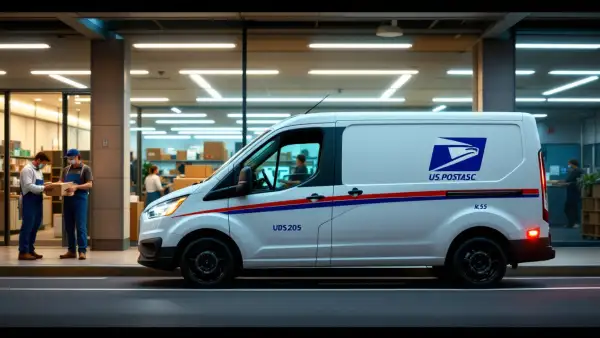
The average delivery vehicle emits nearly 4 tons of CO2 annually, making fleet electrification not just an environmental move but an operational pivot. US Postal Service recently integrated 2,600 electric vehicles into its delivery fleet, signaling a major shift in mail logistics. This isn’t just a green initiative—it’s about rewiring vehicle operations for autonomous cost and constraint management. Electric vehicle adoption can unlock compounding savings without ongoing driver intervention.
Why Fuel Economy Alone Underestimates the Shift
Many view this as a simple cost-saving effort driven by rising fuel prices. That’s the conventional take. But it ignores the deeper leverage mechanism of shifting from volatile liquid fuels and mechanical vehicles to a system with far fewer moving parts and a predictable energy cost structure. Previous USPS pricing changes hinted at a bigger operational pivot beyond rate hikes.
Unlike traditional gasoline trucks, which require constant maintenance and fuel logistics, electric vehicles reduce downtime and streamline energy procurement. This repositions constraints in USPS’s delivery infrastructure from fuel access to efficiently scaled charging infrastructure.
Leveraging Scale: Why 2,600 EVs Matter
Deploying over 2,600 EVs simultaneously is not just a fleet refresh—it's a new operational backbone for USPS. By comparison, smaller delivery providers still rely heavily on gas-powered vehicles without guaranteeing downstream energy cost stability.
While competitors continue spending millions yearly on fluctuating gasoline, USPS now shifts its cost basis. Replicating this requires substantial capital and infrastructure, but USPS’s scale uniquely drives down unit costs and enables centralized grid negotiations. This creates a system that works independently of crude oil market swings.
OpenAI’s approach scaling ChatGPT mirrors this principle—once constraints shift to scalable infrastructure, growth and efficiency compound.
Infrastructure Autonomy Unlocks Strategic Resilience
Charging infrastructure deployment is USPS's hidden leverage point. Unlike smaller EV adopters who struggle with charging access or grid load, USPS’s nationwide scale allows it to negotiate utility partnerships and optimize route energy demands.
This drops reliance on human coordination for fueling and places USPS in a position to automate energy logistics. The levers of energy sourcing, vehicle maintenance, and route optimization now integrate into a systemic platform that produces compounding operational advantages.
WhatsApp’s chat integration strategy shows analogous leverage—when technical design and scale combine, automation frees human effort and multiplies output.
What This Means for Public and Private Delivery Systems
The constraint has shifted from fuel supply and vehicle maintenance to infrastructure scale and energy management. USPS’s move forces competitors and municipalities to rethink investments—not in vehicles but in energy ecosystems that operate without constant human intervention.
Other countries with vast territories and public delivery mandates, such as Canada or Australia, will watch closely. Replicating USPS’s model requires matching its scale and infrastructure integration, a high barrier that secures USPS’s first-mover leverage.
“Operational leverage comes from redesigning constraints, not just swapping components,” and USPS’s EV rollout is a textbook case of infrastructure creating compounding advantage in government logistics.
Related Tools & Resources
As the USPS redefines delivery efficiency with its electric vehicle fleet, optimizing manufacturing and operational management becomes crucial. Tools like MrPeasy provide manufacturing ERP solutions that help streamline operations and ensure that logistics are as efficient as possible, supporting businesses looking to replicate success in their supply chains. Learn more about MrPeasy →
Full Transparency: Some links in this article are affiliate partnerships. If you find value in the tools we recommend and decide to try them, we may earn a commission at no extra cost to you. We only recommend tools that align with the strategic thinking we share here. Think of it as supporting independent business analysis while discovering leverage in your own operations.
Frequently Asked Questions
How many electric vehicles has the US Postal Service added to its fleet?
The US Postal Service has integrated 2,600 electric vehicles into its delivery fleet, marking a significant shift towards fleet electrification and operational efficiency.
What are the operational benefits of USPS switching to electric vehicles?
Switching to electric vehicles reduces downtime, streamlines energy procurement, and decreases reliance on volatile liquid fuels, allowing USPS to better manage delivery operations and costs.
Why is fuel economy alone an inadequate measure of USPS’s EV adoption impact?
Fuel economy overlooks the bigger operational leverage from shifting to a system with fewer moving parts and a stable energy cost structure, reducing maintenance and fuel logistics complexity.
How does USPS’s scale give it an advantage over smaller delivery providers?
With over 2,600 EVs, USPS drives down unit costs and can negotiate centralized grid partnerships for charging infrastructure, unlike smaller providers who face challenges in energy cost stability and infrastructure access.
What role does charging infrastructure play in USPS’s EV strategy?
Charging infrastructure deployment is critical, enabling USPS to automate energy logistics, optimize routes, and negotiate utility partnerships, which helps maintain resilience and operational leverage.
How does USPS’s EV adoption affect competitors and municipalities?
The move shifts focus from vehicle acquisition to energy ecosystem investments, pushing competitors and municipalities to rethink infrastructure to support scalable, automated delivery systems.
Are other countries likely to follow USPS’s electric vehicle model?
Countries like Canada and Australia with large territories will watch USPS’s approach closely. Replicating the model requires matching USPS’s scale and infrastructure integration, which poses a significant barrier.
What is the broader significance of USPS’s EV rollout?
The rollout exemplifies operational leverage from redesigning constraints, not just swapping components, creating compounding advantages in government logistics through infrastructure scale.