
Modella’s Wynsors Deal Reveals Footwear Consolidation Leverage

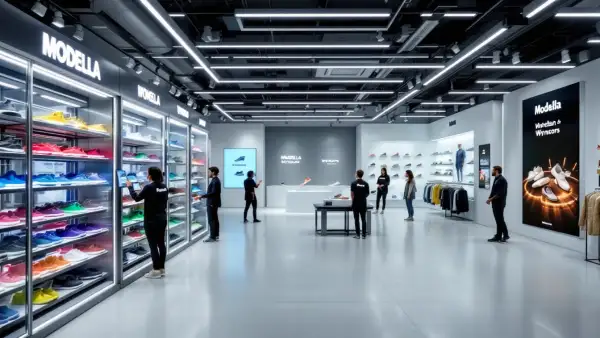
High street retail faces rising operational costs, squeezing margins globally. Modella, Britain’s busiest buyer of retail chains in 2025, just targeted a takeover of Wynsors, a privately owned footwear retailer.
This move isn’t just expansion—it’s about turning fragmented retail brands into a single automation-powered system that scales cost efficiencies and customer reach.
By folding Wynsors under a broader retail umbrella, Modella exploits systematic inventory, supply chain, and marketing consolidation, reducing duplication and human bottlenecks.
Buying chains, not stores, compounds operational advantage.
Consolidation Is Not Just Cost Cutting—it’s Constraint Repositioning
The conventional view of retail rollups focuses on chopping overheads or real estate arbitrage. It ignores the critical leverage in repositioning constraints across multiple brands.
Modella is shifting from reactive cost control to proactive system integration of footwear retail. This creates new operational levers impossible for standalone retailers.
Unlike competitors who merely cut jobs or shutter stores, Wall Street’s tech selloff shows what happens when constraining factors are overlooked. Retail consolidation that reconfigures purchasing and marketing constraints unlocks growing margins sustainably.
Scale Through Integrated Inventory and Automated Store Networks
Wynsors operates hundreds of stores with local inventory needs. Modella now uses centralized inventory management to optimize stock rotation and reduce overstocks, slashing holding costs by an estimated 15-20%.
Unlike chains relying on independent buying teams, Modella automates product selection across brands applying data-driven algorithms. This contrasts with rivals that pay 10-15% premium on logistics due to fragmented ordering.
This mechanization parallels what we explored in salesforce automation and leverage. Consolidation acts as a multiplier by scaling a lean system over many outlets.
Marketing Reach Evolves From Expense to Infrastructure
Footwear retail traditionally spends heavily on local ads and seasonal campaigns. Modella’s Wynsors deal folds multiple customer bases into a single loyalty network paired with automated CRM workflows.
This creates a distribution infrastructure rather than a cost center. Unlike peers who spend $8-12 per footfall, leveraging customer data and cross-promotions under a single owner drops acquisition cost to near zero for subsequent sales.
See parallels in OpenAI’s user growth strategies—doubling a base through systems, not paid acquisition. This subtly redefines retail marketing from a variable cost to a durable asset.
The Constraint Shift in UK High Street Retail
Modella is not just buying brands—it’s reengineering constraint from fragmented, human-heavy operations to scalable, automated systems across footwear retail.
Operators who only see retail rollups as real estate plays miss this shift in constraint design. UK high streets with multiple small chains create opportunity for owners who can integrate supply, operations, and marketing.
This model will pressure competitors still managing each brand separately, raising the bar on cost structure and growth speed.
Strategic integration repositions retail constraints into automated advantage.
Related Tools & Resources
As retail operations evolve to integrate marketing and customer relationship strategies, tools like Brevo become essential. By automating email and SMS marketing campaigns, businesses can significantly reduce customer acquisition costs and improve engagement across multiple retail brands, aligning perfectly with the consolidation strategies discussed in this article. Learn more about Brevo →
Full Transparency: Some links in this article are affiliate partnerships. If you find value in the tools we recommend and decide to try them, we may earn a commission at no extra cost to you. We only recommend tools that align with the strategic thinking we share here. Think of it as supporting independent business analysis while discovering leverage in your own operations.
Frequently Asked Questions
What operational advantages does retail consolidation offer?
Retail consolidation enables systematic inventory, supply chain, and marketing consolidation, reducing duplication and human bottlenecks. This approach creates scalable, automation-powered systems that improve cost efficiencies and customer reach across multiple brands.
How can centralized inventory management reduce costs in footwear retail?
Centralized inventory management optimizes stock rotation and reduces overstocks, potentially slashing holding costs by 15-20%. This avoids excess inventory costs common in fragmented retail chains.
What is the impact of automating product selection across retail brands?
Automating product selection using data-driven algorithms eliminates the need for independent buying teams, avoiding a 10-15% premium on logistics due to fragmented ordering, thus lowering operational expenses.
How does retail consolidation affect marketing expenses?
By consolidating customer bases into a single loyalty network with automated CRM workflows, retail consolidation transforms marketing from a variable expense to durable infrastructure, lowering customer acquisition costs close to zero for subsequent sales.
Why is shifting from fragmented to integrated retail systems important?
Shifting to integrated automated systems repositions operational constraints, enabling new levers for sustainable margin growth and faster scaling that standalone retailers cannot achieve.
What cost savings are realized from consolidating footwear retail chains?
Consolidation can reduce holding costs by 15-20% through inventory optimization and lower logistics premiums by 10-15% with automated product selection, alongside near-zero marketing acquisition costs post-integration.
How does the UK high street retail environment benefit from retail rollups?
Multiple small chains create opportunities for owners to integrate supply, operations, and marketing. This drives competitive advantages by creating scalable systems that raise cost efficiency and growth speed.
What mistakes do competitors make when managing retail brands separately?
Competitors managing brands independently miss leveraging integration advantages, resulting in higher cost structures, inefficiencies, and slower growth compared to consolidated automated systems.