
Ukraine Disrupts Russian 'Shadow Fleet' Oil Supply with Naval Drones

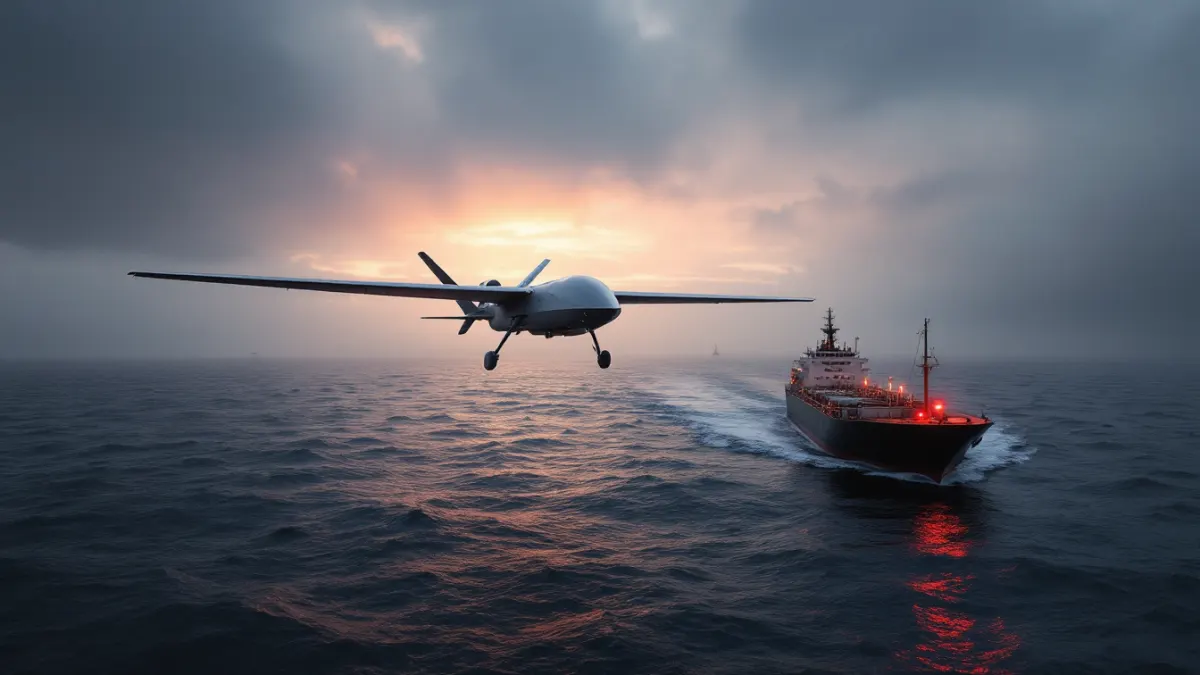
Global oil shipping faces $15-20 billion in losses yearly from 'shadow fleets'—unregistered tankers that evade sanctions. Ukraine just struck two of these vessels in the Black Sea using naval drones, marking a tactical escalation in controlling illicit oil flow.
This action by Ukraine's navy in late 2025 targets state-backed covert logistics that sustain Russia's oil exports amid sanctions. But this isn’t mere military retaliation—it exposes how low-cost autonomous systems multiply strategic leverage by disrupting entire supply chains remotely.
Conventional checks on oil trade rely on port inspections and satellite tracking, but shadow fleets exploit registration loopholes and inactive AIS signals to bypass these controls. Naval drones change the calculus by enabling precise strikes with minimal crews, forcing adversaries to address a new vulnerability: unmonitored maritime assets.
“Remote systems that multiply force create cascading impact beyond their size.”
Challenging Assumptions on Maritime Sanctions Enforcement
Conventional wisdom holds that shipping sanctions enforcement depends on legal frameworks and physical port control. Critics argue remote drone strikes risk escalation or have limited impact.
But the real constraint isn’t just enforcement laws—it’s the dependency on monitoring passive or slow-to-respond targets in a vast maritime environment. Ukraine’s drone strikes reposition this constraint by turning maritime surveillance into actionable kinetic impact, compressing adversary reaction windows.
This dynamic parallels how Ukraine drove a $10B surge in drone production that redefined asymmetric warfare leverage in 2023-2025.
Autonomy Meets Maritime Shadow Economy
Russia’s 'shadow fleet' exploits gaps in global shipping databases and regulatory oversight, operating vessels flagged under obscure registries or none at all. These ships enable oil exports despite sanctions, undermining economic pressure.
Unlike traditional naval forces requiring expensive ships and large crews, naval drones operate with reduced human risk and cost. This system decouples presence from impact, leveraging automated navigation and targeting to precisely disrupt supply without full naval deployments.
China and the US, with extensive naval resources, rely on conventional patrols and satellite tracking but cannot scale response cost-effectively against numerous covert vessels. Ukraine’s drone-driven approach offers a scalable, low-cost disruption model unmatched by sheer fleet size.
The constraint shifted from sheer firepower to signal identification and autonomous execution, reflecting a new military leverage paradigm.
Implications for Global Maritime Control
Disrupting shadow fleets with naval drones forces countries and companies to reconsider maritime supply chain visibility and control mechanisms. Entities reliant on covert shipping must now invest in counter-autonomy or risk compounding losses.
Other nations under sanctions or embargoes will watch Ukraine’s drone campaign as a blueprint for bypassing traditional naval power asymmetries. Maritime security firms and insurers will need new technology integrations combining AI with remote kinetic systems.
Debt and resource constraints now intersect with autonomous disruption risks, amplifying pressure on countries like Russia whose economy depends on opaque oil trade.
Leveraging autonomous strike systems shrinks adversary operational envelopes while scaling strategic impact.
Related Tools & Resources
As countries reevaluate their maritime security strategies in light of Ukraine's innovative use of naval drones, effective monitoring has never been more important. Tools like Surecam provide robust security camera and surveillance solutions that can help businesses ensure visibility and protection in critical areas, adapting to the evolving landscape of maritime supply chain threats. Learn more about Surecam →
Full Transparency: Some links in this article are affiliate partnerships. If you find value in the tools we recommend and decide to try them, we may earn a commission at no extra cost to you. We only recommend tools that align with the strategic thinking we share here. Think of it as supporting independent business analysis while discovering leverage in your own operations.
Frequently Asked Questions
What are shadow fleets in global oil shipping?
Shadow fleets are unregistered tankers that evade sanctions, causing $15-20 billion in losses yearly by illicitly transporting oil without proper registration or active AIS signals.
How do naval drones impact maritime sanctions enforcement?
Naval drones enable precise, low-cost strikes on covert vessels with minimal crews, disrupting illicit oil supply chains and forcing adversaries to address previously unmonitored maritime assets.
Why are traditional maritime monitoring methods ineffective against shadow fleets?
Traditional methods like port inspections and satellite tracking rely on vessel registration and AIS data, which shadow fleets exploit by using obscure or no flags and inactive signals to bypass controls.
How did Ukraine's naval drone strikes change military leverage in maritime conflicts?
Ukraine’s 2025 drone strikes turned remote surveillance into kinetic impact on shadow fleets, compressing adversaries’ reaction times and redefining asymmetric warfare leverage at low cost.
What economic effects do shadow fleets have on sanctioned countries?
Shadow fleets undermine sanctions by enabling oil exports worth billions, such as Russia’s covert oil exports, weakening economic pressure imposed through sanctions and embargoes.
How do naval drones compare to conventional naval forces in disrupting covert shipping?
Naval drones operate with lower human risk and cost, enabling scalable autonomous disruption that sheer fleet size and conventional patrols by countries like the US and China cannot cost-effectively match.
What strategic advantages do remote autonomous strike systems provide?
They shrink adversaries' operational envelopes while multiplying strategic impact beyond their size by enabling remote, precise kinetic actions that cascade throughout supply chains.