
UK’s Voyager Tanker Powers NATO Jets Near Russia for Global Reach

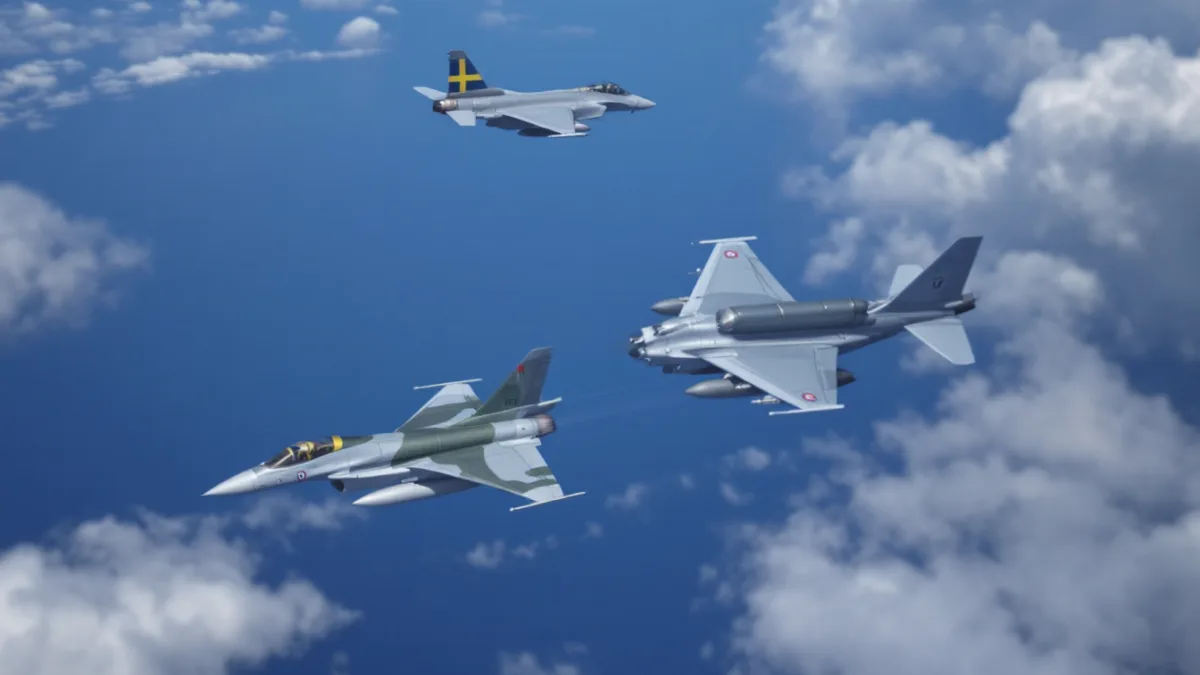
Eastern Europe has become a hotspot where extended fighter jet patrols are crucial for NATO's strategic presence. Britain's Royal Air Force operates the Voyager KC3 tanker to refuel allied jets near Russian borders, enabling nonstop missions over thousands of miles. This isn't simply a logistical boost—it shifts the operational constraints and expands NATO’s tactical footprint.
Flying from RAF Brize Norton over the Baltic Sea to edges of Russian airspace, the Voyager tanker refueled British Eurofighter Typhoons, Swedish Gripens, and Finnish F/A-18 Hornets mid-air at 300 mph. With capacity for 109 metric tons of fuel, it transforms fighter jet missions from strictly base-bound sorties to global-range operations.
But the key leap is not just fuel volume—it's the system design: aerial refueling decouples fighters from fixed bases, overcoming geographic and political refueling constraints. This turns tactical range from a fixed limit into a flexible asset, redefining Eastern Europe's military deterrence.
“With air-to-air refueling, we can operate anywhere in the world,” said a Voyager pilot—concise proof of how system architecture creates unstoppable leverage in contested regions.
Challenging The Base-Dependence Assumption
Conventional wisdom holds fighter jets are constrained by their takeoff base and must land to refuel, limiting range and endurance. This forces significant reliance on friendly territory and restricts sustained presence near hostile borders.
Yet, by embedding a flying gas station like the Voyager in airborne patrols, NATO sidesteps those limits. Unlike relying on vulnerable ground bases, this airborne refueling system repositioned the key constraint from geography to airspace control.
This mirrors how Ukraine's drone surge demonstrated flexible tech deployment overcoming traditional battlefield constraints. Ground basing is no longer the choke point; endurance, refueling logistics, and electronic countermeasures define mission success.
Aerial Refueling Mechanism: Fuel on Demand at 30,000 Feet
The Voyager, adapted from the commercial Airbus A330-200, has three refueling hoses and a capacity exceeding 100 metric tons of fuel. This allows quick 10-minute refuelings to multiple jet models mid-flight, preserving patrol continuity and time over target zones.
Unlike jet pilots forced to divert back to base or airfields constrained by political access, these tankers enable fighters such as the Typhoon to fly over 2,000 miles in a single mission, linking takeoff in Scotland with extended sorties near the Kaliningrad region.
While competitors like the US operate KC-135 Stratotankers, the Voyager's design leverages modern commercial aircraft platforms, balancing cargo, personnel transport, and refueling—which creates a multi-role asset without needing separate fleets.
NATO's capability contrast with Russia's static ground refueling scales tactical flexibility advantage into deterrence value.
Navigating Electronic Warfare and High-Tempo Operations
The biggest operational constraints now are electronic attacks, such as GPS jamming near Russian airspace, which the Voyager's crew mitigates by switching navigation systems quickly. This resilience creates a system that operates despite contested electronic environments without constant human intervention.
Daily flights from RAF Brize Norton support various missions, training international forces, and showing consistent presence—automating strategic deterrence at high tempo. This persistent presence is more valuable than sporadic deployment enabled by conventional refueling logistics.
This ongoing adaptation is a lesson in moving constraints: from fuel volume to electronic warfare resilience, the system design anticipates and solves for evolving challenges.
Forward Leverage: Beyond Eastern Europe
This operational model gives NATO a structural advantage far beyond Eastern Europe. Air-to-air refueling tankers like the Voyager transform fighter deployment into a globally flexible asset, allowing force projection without dependence on local fueling rights or vulnerable bases.
Countries investing in such fleet capabilities unlock multi-billion-dollar leverage by turning simple fuel into a strategic enabler. Observers in Asia-Pacific and Middle East should note how refueling and electronic warfare systems interplay to extend presence.
Structural constraints shape execution across industries; in defense, moving fuel off the ground is a physical translation of constraint repositioning. This strategic repositioning is key to controlling contested spaces efficiently.
“Infrastructure overhead converted into operational range creates decisive, compounding advantages.”
Related Tools & Resources
As NATO adapts its strategic operations, effective communication and coordination become paramount. This is exactly why platforms like Brevo have become essential for military and defense organizations, helping them streamline their messaging and outreach efforts. With powerful tools for email and SMS marketing, Brevo can assist in mobilizing resources and enhancing engagement, ensuring that critical information flows seamlessly. Learn more about Brevo →
Full Transparency: Some links in this article are affiliate partnerships. If you find value in the tools we recommend and decide to try them, we may earn a commission at no extra cost to you. We only recommend tools that align with the strategic thinking we share here. Think of it as supporting independent business analysis while discovering leverage in your own operations.
Frequently Asked Questions
What is the role of the Voyager KC3 tanker in NATO's operations?
The Voyager KC3 tanker, operated by Britain's Royal Air Force, refuels allied fighter jets mid-air near Russian borders, enabling nonstop missions over thousands of miles and expanding NATO's tactical footprint.
How does aerial refueling benefit fighter jet missions?
Aerial refueling decouples fighters from fixed bases, allowing sorties to extend beyond base range limitations. For example, the Voyager tanker carries 109 metric tons of fuel and can refuel jets mid-air at 300 mph, turning base-bound missions into global-range operations.
Which aircraft are refueled by the Voyager tanker during NATO patrols?
The Voyager tanker refuels various aircraft including British Eurofighter Typhoons, Swedish Gripens, and Finnish F/A-18 Hornets mid-air, enhancing mission endurance and reach.
How does electronic warfare affect aerial refueling operations?
Electronic attacks like GPS jamming near contested airspace pose challenges, but Voyager's crew mitigates this by quickly switching navigation systems, maintaining operation despite electronic interference.
What advantages does the Voyager tanker have over competitors like the KC-135 Stratotankers?
The Voyager is adapted from the commercial Airbus A330-200, providing a multi-role asset capable of cargo, personnel transport, and refueling, unlike the KC-135 which primarily focuses on refueling tasks.
How far can fighter jets fly with the help of aerial refueling?
With Voyager's mid-air refueling, fighter jets such as the Eurofighter Typhoon can fly over 2,000 miles in a single mission, linking takeoff points in Scotland with extended sorties near the Kaliningrad region.
Why is moving fuel off the ground significant for military strategy?
Moving fuel to airborne tankers like the Voyager shifts the key constraints from vulnerable ground bases to airspace control, enhancing tactical flexibility and operational range in contested regions.
What is the impact of aerial refueling on NATO's strategic presence?
Aerial refueling enables a persistent and high-tempo presence near hostile borders without dependence on local refueling bases, significantly enhancing NATO's strategic deterrence capabilities.