
What American Eagle’s Anti-AI Stand Reveals About Marketing Leverage

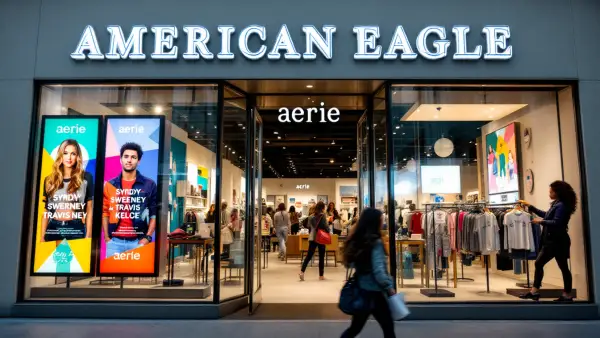
Instagram ads typically cost $8-15 per install. American Eagle just ignited 44 billion impressions through a sharply different playbook.
The retail giant combined viral celebrity partnerships with Aerie’s unusual stance against AI-generated ads to boost revenue 6% year-over-year in Q3 2025. The move pushed its intimates brand’s sales up 11% and sent the stock 10% higher post-earnings.
But the impact isn’t about spending more; it’s about turning brand values and influencer resonance into organic distribution engines feeding growth.
“Buy audiences, not just products—the asset compounds.”
Challenging the AI arms race: Why less is more in marketing
Conventional wisdom states that winning retail in 2025 means outspending competitors on AI-driven consumer tech and programmatic ads.
Aerie’s anti-AI pledge flips that logic, signaling a strategic repositioning around consumer trust and authenticity. This constraint repositioning shifts focus from costly, algorithm-driven acquisition to brand alignment and cultural relevance.
This contrasts with competitors’ heavier reliance on AI platforms like OpenAI and algorithmic social media ads to drive installs, a tactic explored in our coverage of AI’s real impact on labor.
Precision in partnership: The leverage in high-profile culture taps
American Eagle’s campaigns starring Sydney Sweeney and NFL star Travis Kelce generated unprecedented customer acquisition by embedding themselves in cultural conversations.
Unlike generic influencer deals, these partnerships created cascades of earned media and viral debate, drastically lowering effective customer acquisition costs.
Kelce’s drop one day after announcing engagement to Taylor Swift catapulted awareness beyond paid channels, showing how timing and cultural context multiply marketing reach.
This kind of leverage outperforms standard ad buys, as seen in the infrastructure success stories we documented in OpenAI's ChatGPT growth model, where cultural moments became growth platforms.
Authenticity as a system: How Aerie’s anti-AI stance creates operational advantage
By pledging not to use AI in ads, Aerie tapped into consumer fears about automation hollowing out authenticity.
The Instagram post promising this garnered tens of thousands of likes, becoming their top engagement piece in a year and creating a self-sustaining viral loop.
This approach requires minimal ongoing human input after launch, exemplifying how mechanisms that work without constant intervention create compounding returns. It flipped the marketing constraint from “what tech to buy” to “how to own consumer trust.”
Who wins next: The strategic moves unlocked by audience-first brands
The key constraint American Eagle cracked is the tradeoff between budget and authenticity in digital marketing.
Brands that start with cultural alignment and can convert authenticity into viral distribution will face lower acquisition costs and faster growth.
Others stuck in expensive AI-or-die bets will see diminishing returns. As we noted in recent tech selloff analysis, constraints on profit lock-in are real and shifting.
American Eagle’s model shows that culture, timing, and constraint repositioning beat algorithmic arms races in 2025 marketing.
Related Tools & Resources
For brands navigating the complex terrain of modern marketing, leveraging data analytics is crucial. Tools like Hyros offer advanced ad tracking and ROI analysis that can transform your approach, ensuring authenticity and cultural alignment in every campaign. Learn more about Hyros →
Full Transparency: Some links in this article are affiliate partnerships. If you find value in the tools we recommend and decide to try them, we may earn a commission at no extra cost to you. We only recommend tools that align with the strategic thinking we share here. Think of it as supporting independent business analysis while discovering leverage in your own operations.
Frequently Asked Questions
How did American Eagle achieve 44 billion impressions?
American Eagle combined viral celebrity partnerships with Aerie’s anti-AI stance to create organic distribution, generating 44 billion impressions through culturally resonant campaigns.
What impact did Aerie’s anti-AI pledge have on sales?
Aerie’s unusual stance against AI-generated ads helped boost its sales by 11% year-over-year in Q3 2025, signaling increased consumer trust and authenticity.
Why is American Eagle’s marketing approach considered different from traditional AI-driven ads?
Instead of outspending competitors on AI and programmatic ads, American Eagle leveraged brand values and influencer resonance to create organic growth, reducing acquisition costs and increasing cultural relevance.
Who were the key celebrities involved in American Eagle’s campaigns?
The campaigns starred Sydney Sweeney and NFL star Travis Kelce, whose culturally significant moments amplified campaign reach beyond paid channels.
How did Travis Kelce’s engagement announcement influence the marketing campaign?
Kelce’s engagement to Taylor Swift created viral buzz the day after his campaign drop, multiplying awareness and lowering customer acquisition costs.
What lessons can other brands learn from American Eagle’s 2025 marketing strategy?
Brands that prioritize authenticity, cultural alignment, and audience-first strategies can achieve lower acquisition costs and faster growth, outperforming heavy investment in AI-driven ads.
What role does consumer trust play in Aerie’s marketing success?
Aerie’s pledge not to use AI in ads tapped into consumer concerns about automation, creating viral engagement and a self-sustaining marketing loop based on trust.
Are there recommended tools for brands wanting to replicate this approach?
Tools like Hyros provide advanced ad tracking and ROI analysis that help brands maintain authenticity while optimizing cultural alignment in campaigns.