
What China’s Taiwan War Games Reveal About Future Combat Leverage

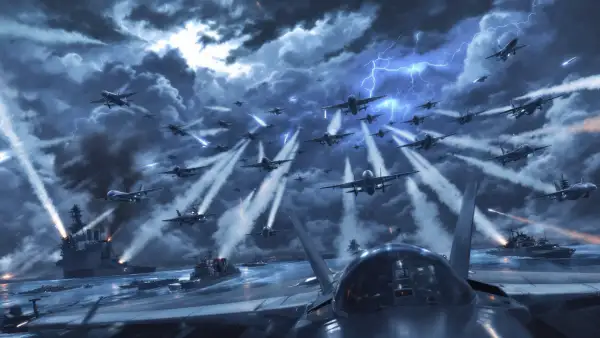
China’s military exercises around Taiwan combine complex air, sea, and rocket forces in a scale and coordination rarely seen globally. The Chinese People’s Liberation Army kicked off “Justice Mission-2025,” mobilizing dozens of warships, 89 aircraft including J-10 and J-16 fighters, drones, and long-range missile systems. This effort isn’t just showmanship—it reveals an operational blueprint focused on integrated, stand-off strike capabilities that reduce risk and enhance battlefield leverage. “Control through distance and integration creates combat advantages that compound over time,” a defense analyst noted.
Challenging the ‘Mass and Close’ Attack Assumption
Conventional wisdom views large amphibious assaults as requiring overwhelming force close to the target. China’s drills turn this on its head, emphasizing air superiority and long-range strikes from multiple directions to isolate Taiwan before amphibious landings. This constraint repositioning creates layered defenses to keep hostile forces out of effective range. It’s a move away from attrition warfare toward precision, networked operations.
Unlike previous war simulations limited to individual service branches, these exercises prioritize joint sea-air coordination, rapid target neutralization, and synchronized assaults from multiple domains. This drastically lowers risk to Chinese forces while complicating Taiwan’s defense calculus.
Integrating Long-Range Fires with Autonomous Systems
The recent drills showed extensive use of long-range rocket forces, bomber aviation, and anti-ship missile strikes to attack high-value targets at maximum distance. This strikes a balance between power projection and operational safety. The emphasis on “maximum range” precision means each unit’s impact multiplies through complementary actions.
China also unveiled an AI-generated video depicting humanoid drones and uncrewed aerial and maritime vehicles, indicating an ambition to fuse emerging automation technologies with established military platforms. This system-level integration unlocks continuous, independent force application without direct human intervention, a dramatic change from legacy combined arms operations. The AI-driven evolution of battlefield leverage challenges both tactical effectiveness and strategic deterrence.
Why This Operational Model Beats Traditional Constraints
Current global naval powers typically emphasize platform-centric control, relying heavily on human crews and shorter range engagements. China’s approach systematically restructures these constraints by:
- Using joint forces to multiply impact from standoff positions
- Deploying uncrewed and autonomous systems to maintain persistent pressure
- Extending operational reach to isolate enemy zones before ground assaults
These moves reduce dependency on massed manpower and vulnerable supply lines. Unlike competitors who often struggle with human limits and coordination costs, China’s model leverages technology and multi-domain integration as force multipliers.
This is a real-world example of how reassessing constraints can unlock new leverage in highly complex systems. It echoes principles from process optimization in business but scaled to combat’s lethal domain.
Who Must Watch and What’s Next
Taiwan’s defense planners and their allies must not only counter hardware attacks but adapt to the systemic integration of drones, long-range missile fires, and electronic warfare. The changed constraint is no longer force size but integration speed and multi-domain synchronization. Observers in other regional powers and defense contractors responsive to rapid tech shifts will find important lessons.
China’s exercise reveals how tactical leverage shifts when distance, autonomy, and joint arms combine to reshape battlefield risk and operational tempo. Similar military-industrial adaptations will drive future conflict dynamics across continents.
Related Tools & Resources
As we rethink the dynamics of modern warfare, the integration of autonomy and advanced technology becomes crucial. Tools like Blackbox AI can empower developers and tech companies to harness AI for innovative solutions, reflecting the same strategic advancements seen in military operations. Embracing AI-driven tools can help you reshape your approach and gain a competitive edge in your field. Learn more about Blackbox AI →
Full Transparency: Some links in this article are affiliate partnerships. If you find value in the tools we recommend and decide to try them, we may earn a commission at no extra cost to you. We only recommend tools that align with the strategic thinking we share here. Think of it as supporting independent business analysis while discovering leverage in your own operations.
Frequently Asked Questions
What military assets did China deploy in its Taiwan war games?
China mobilized dozens of warships and 89 aircraft, including J-10 and J-16 fighters, drones, and long-range missile systems during its "Justice Mission-2025" exercises.
How do China’s military exercises challenge traditional amphibious assault strategies?
China’s drills emphasize air superiority and long-range strikes from multiple directions to isolate Taiwan before any amphibious landings, moving away from massed close-range assaults to precision, networked operations.
What role do autonomous systems play in China’s combat strategy?
The exercises integrated humanoid drones and uncrewed aerial and maritime vehicles to enable continuous independent force application, leveraging AI-driven automation alongside long-range rocket and missile strikes.
Why is China’s joint sea-air coordination significant in modern warfare?
The joint coordination between sea and air units allows rapid target neutralization and synchronized multi-domain assaults, drastically lowering risk to Chinese forces and complicating opposing defense efforts.
How does China’s operational model differ from current global naval powers?
Unlike platform-centric control relying on human crews and shorter engagements, China uses joint forces, autonomous systems, and extended reach to multiply impact from standoff positions while reducing dependency on mass manpower.
What challenges do Taiwan and its allies face due to these exercises?
They must adapt to systemic integration of drones, long-range missile fires, and electronic warfare, where integration speed and multi-domain synchronization become key over sheer force size.
How does China’s use of AI and automation impact strategic deterrence?
The AI-driven evolution in battlefield leverage introduces new tactical effectiveness and strategic deterrence by enabling persistent, autonomous operations that evolve traditional combined arms warfare.
What technological tools parallel the military advances shown in China’s war games?
Tools like Blackbox AI exemplify how AI integration in technology sectors reflects similar strategic advances, empowering developers to leverage AI for innovative, competitive solutions outside of military applications.