
What Chinese Buyers Eyeing Volkswagen Factories Reveals About Global Auto Leverage

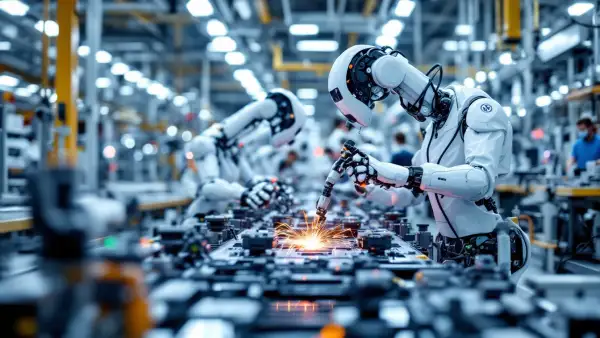
While Western automakers consolidate and downsize, Chinese investors are eyeing unused Volkswagen factories in Germany, signaling a bold cross-border industrial move. Volkswagen recently idled several plants amid shifting market demands and electrification pressures. This isn’t just about acquiring plants—it’s about seizing manufacturing leverage embedded in premium, high-tech European infrastructure.
Global auto is less about factories and more about flexible manufacturing ecosystems. Chinese buyers can plug into existing high-spec plants without building new infrastructure, turning expensive fixed costs into variable competitive advantages. In manufacturing, leverage is the invisible asset that carries value beyond physical machinery.
Why Buying Unused Factories Beats Building New Ones
Conventional wisdom says it’s cheaper or faster to build new plants closer to demand centers or raw materials. Yet Chinese investors targeting Volkswagen’s legacy factories turn that on its head. The plants come with skilled labor pools, tested automation, and established supplier networks—constraints competitors can’t replicate overnight.
This mirrors how Ukraine sparked a $10B drone surge by leveraging existing manufacturing talent rather than starting from zero. The key constraint isn’t capital but manufacturing ecosystem depth.
How European Factory Infrastructure Becomes a Strategic Moat
Volkswagen factories feature advanced automation, precision manufacturing lines, and R&D proximity. This kind of infrastructure took decades and billions to build, including labor relations and certification systems. Unlike newer Chinese plants, they’re tailored for premium vehicles commanding high margins.
Chinese automakers bypass years of sunk cost and regulatory friction by relocating production into these facilities. Unlike expanding at home—where they face labor shortages and rising wages—this move converts fixed overhead into an operational asset with embedded know-how. It’s not acquiring space; it’s buying a fully baked leverage system.
Why Global Auto Should Watch This Move Closely
The real constraint shifts from capital availability to access to proven production systems. Chinese buyers gain footing in Europe, not just by owning factories, but by integrating into local supply chains and expertise. This amplifies their capacity to innovate and scale electric vehicles with European quality.
Companies stuck building greenfield factories face years of delay; buying these assets accelerates time-to-market by 3-5 years. How OpenAI scaled ChatGPT shows parallel leverage in digital ecosystems—control the platform to control growth.
Chinese acquisition of European automotive infrastructure redefines competitive advantage in manufacturing leverage. Industry leaders must recalibrate assumptions about where real value resides: it’s not just R&D or scale, but access to high-leverage, embedded industrial systems.
Related Tools & Resources
As Chinese investors leverage existing manufacturing systems, platforms like MrPeasy can provide the necessary management tools to enhance production efficiency. For manufacturers looking to optimize their operations and integrate deeply into complex supply chains, MrPeasy offers a comprehensive ERP solution that aligns perfectly with this strategic mindset. Learn more about MrPeasy →
Full Transparency: Some links in this article are affiliate partnerships. If you find value in the tools we recommend and decide to try them, we may earn a commission at no extra cost to you. We only recommend tools that align with the strategic thinking we share here. Think of it as supporting independent business analysis while discovering leverage in your own operations.
Frequently Asked Questions
Why are Chinese investors targeting unused Volkswagen factories in Germany?
Chinese investors see value in Volkswagen's unused factories as they come with advanced infrastructure, skilled labor pools, and established supplier networks. This allows them to leverage premium European manufacturing ecosystems without building new plants from scratch.
What advantages do buying existing factories have over building new ones?
Buying existing factories provides access to proven manufacturing ecosystems with tested automation and supplier relationships. This strategy accelerates time-to-market by 3-5 years and avoids the high sunk costs and regulatory hurdles of building new plants.
How does leveraging European factory infrastructure create a strategic advantage?
European factories feature advanced automation and R&D proximity, built over decades. Chinese automakers bypass years of sunk costs and labor challenges by acquiring these fully operational systems, converting fixed overhead into operational assets with embedded know-how.
What is the main constraint in the global auto industry according to this strategy?
The main constraint has shifted from capital availability to access to established manufacturing ecosystems. Owning factories integrates companies into local supply chains and expertise, enabling innovation and scaling of electric vehicles with European quality.
How much time can companies save by buying existing automotive plants instead of building new ones?
Companies can accelerate their time-to-market by 3-5 years by acquiring existing factories, compared to the longer delays involved in building greenfield plants.
What parallels exist between automotive manufacturing leverage and scaling digital platforms?
Similar to how OpenAI scaled ChatGPT by controlling its digital platform, automakers control growth by acquiring proven physical manufacturing platforms, turning infrastructure into leverage for competitive advantage.
Why is manufacturing leverage considered an invisible asset?
Manufacturing leverage refers to the value embedded in established ecosystems beyond just machinery, including skilled labor, automation, and supplier networks, making it an intangible yet critical competitive advantage.
What challenges do Chinese automakers face if they build new plants domestically instead of acquiring European factories?
Building new plants domestically involves labor shortages, rising wages, and regulatory challenges, which Chinese automakers avoid by relocating production into established European facilities with premium capabilities.