
What Digital Domain’s New Era Reveals About AI’s Role in Creativity

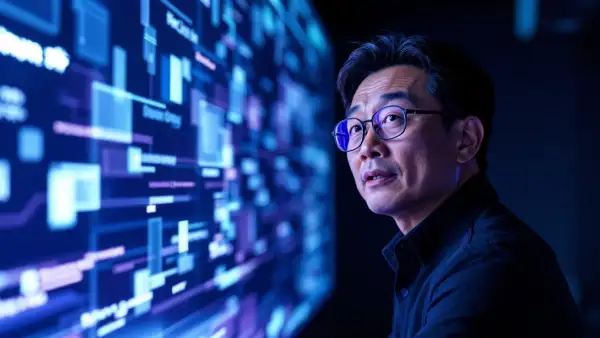
Few industries blend artistry and technology as intricately as visual effects. Digital Domain, the global VFX pioneer led by former accountant William Wong Cheung-lok, is now steering through a redefining moment driven by artificial intelligence and immersive tech. But this shift isn’t merely about AI adoption—it's about reconfiguring creative systems that generate compounding innovation without constant human input. Creative leverage comes not from replacing imagination but from amplifying it structurally.
Why Human Creativity Alone Cannot Scale Visual Effects
Conventional wisdom holds that VFX hinges predominantly on artistic talent and manual craftsmanship. Yet, this view ignores the hidden operational bottlenecks that throttle throughput and inflate costs. William Wong’s pivot from accounting to AI-driven VFX reveals that human creativity is a resource constrained by process inefficiencies and human bandwidth. Unlike other firms that chase talent acquisition at high burn rates, Digital Domain’s embrace of AI automation identifies and repositions these constraints, a mechanism that analysts have overlooked in tech layoffs and industry shifts [read more].
AI as a Systematic Amplifier, Not a Replacement
Digital Domain is integrating AI tools into its visualization pipelines to automate repetitive tasks like rendering and real-time asset adjustments. Competitors such as those relying primarily on conventional manual techniques or outsourcing miss out on AI’s compounding advantage: automations that simultaneously reduce cycle time and increase creative exploration. This contrasts sharply with older VFX firms spending millions on labor without shifting system constraints, similar to how OpenAI scaled ChatGPT by optimizing infrastructure rather than just user acquisition [details].
Moreover, Digital Domain’s blend of AI with immersive technologies creates a modular content creation ecosystem that iterates faster and feeds itself with minimal human oversight. This bypasses traditional pipelines that demanded constant creative input and manual iteration cycles, echoing strategic leverage found in robotics firms automating repetitive tasks [source].
Repositioning Constraints Redefines Industry Innovation
The crucial constraint in VFX production was never creativity but the lack of systems that can scale creative outputs without linearly scaling human effort. By automating upstream and downstream components, Digital Domain is converting fixed costs into variable, scalable processes. Instead of trading time for output, the company leverages AI-driven feedback loops that continuously enhance quality and speed.
In contrast, many industry players remain stuck in high-cost models that scale only with more talent or expensive hardware, missing the fundamental systemic redesign that enables compounding returns on creative investments, just as seen in why Tesla’s new safety report changes autonomous leverage in automotive innovation [explained].
Who Benefits When Creativity is Engineered as a System
The shift led by William Wong marks a change in the core production constraint—from art to architecture. Companies that master AI-powered creative platforms will no longer compete on who hires the best artists but who designs the most effective creative systems. This structural repositioning accelerates innovation cycles and expands market reach with lower marginal costs.
Other creative industries grappling with costly, manual workflows—like gaming or advertising—should study Digital Domain’s system redesign as a template for turning imagination into a reliably scalable economic advantage. “The firms that control creative systems shape the future of imagination,” and that is the real leverage unlocked here.
Related Tools & Resources
As we navigate the evolving landscape of creativity and technology, tools like Blackbox AI stand out as essential for developers seeking to harness the power of artificial intelligence in their projects. By automating code generation and offering smart coding assistance, Blackbox AI can help streamline the development process, allowing teams to focus more on amplifying creativity rather than getting bogged down by mundane coding tasks. Learn more about Blackbox AI →
Full Transparency: Some links in this article are affiliate partnerships. If you find value in the tools we recommend and decide to try them, we may earn a commission at no extra cost to you. We only recommend tools that align with the strategic thinking we share here. Think of it as supporting independent business analysis while discovering leverage in your own operations.
Frequently Asked Questions
How is Digital Domain using AI to enhance visual effects?
Digital Domain integrates AI tools to automate repetitive VFX tasks such as rendering and real-time asset adjustments. This approach reduces cycle time and increases creative exploration, enabling faster iterations with minimal human input.
Why can't human creativity alone scale visual effects efficiently?
Human creativity is limited by operational bottlenecks and bandwidth constraints, which inflate costs and throttle throughput. Digital Domain’s approach identifies these constraints and repositions them using AI automation to achieve scalable creative output.
What role does William Wong Cheung-lok play in Digital Domain's AI-driven transformation?
William Wong, Digital Domain's leader and former accountant, spearheads the company’s shift to AI-driven VFX methodologies. His pivot highlights how process inefficiencies limit human creativity and how AI can structurally amplify creative systems.
How does Digital Domain’s system differ from traditional VFX firms?
Unlike firms relying on manual techniques or outsourcing, Digital Domain optimizes processes through AI and immersive tech to convert fixed costs into scalable, variable processes. This systemic redesign creates compounding innovation without proportional human effort.
What industries can benefit from Digital Domain’s approach to creativity?
Besides VFX, industries like gaming and advertising with costly manual workflows can adopt Digital Domain’s system redesign to transform imagination into scalable economic advantage, leveraging AI to accelerate innovation cycles.
How does AI integration affect the cost structure in VFX production?
AI allows Digital Domain to automate upstream and downstream components, turning fixed costs into variable, scalable costs. This leads to faster production with lower marginal costs compared to traditional models that scale linearly with talent or hardware.
What is the significance of combining AI with immersive technologies at Digital Domain?
Combining AI with immersive tech creates a modular content creation ecosystem that iterates rapidly with minimal human oversight. This bypasses traditional pipelines requiring extensive manual work and fosters continuous improvement through AI-driven feedback loops.
What impact does controlling creative systems have on the future of imagination?
Controlling AI-powered creative systems shifts competition from hiring top artists to designing efficient systems. Firms mastering this structural repositioning accelerate innovation and market expansion, unlocking new forms of creative leverage.