
What EU’s December Auto Package Reveals About Industrial Leverage

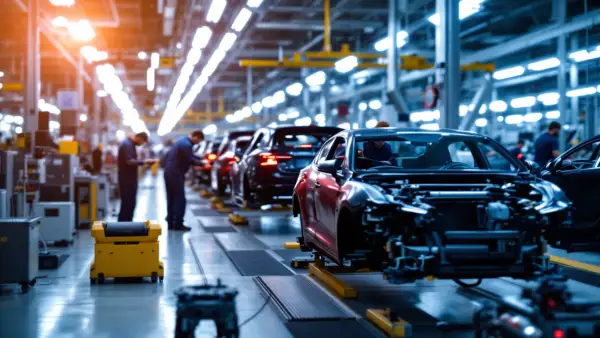
Europe’s auto industry faces a global downturn while competitors like China and the US strengthen their foothold through aggressive subsidies. A planned support package expected from the European Union on December 16 aims to prop up the sector amid supply chain and transition challenges.
But this isn’t just another bailout—it’s a strategic pivot toward reshaping the auto industry’s systemic resilience and long-term advantage. EU’s move reveals how governments must leverage coordinated policy to shift underlying constraints, not just throw cash at symptoms.
The auto sector globally is caught between skyrocketing costs and the need to innovate rapidly around electric vehicles (EVs) and semiconductor shortages. Where others apply broad stimulus, the EU’s planned package is a targeted infrastructure and regulatory approach that tackles strategic chokepoints.
“Leverage lies in controlling industry bottlenecks, not just topping up capital.”
Why Direct Funding Misses The Real Constraint
Analysts often view EU support as simple cash infusion to sustain production and jobs. This assumes liquidity is the core constraint. They’re wrong—it’s about repositioning the constraints in the supply chain and innovation ecosystem.
Ukraine’s drone surge showed how bottleneck clearance—access to components and skilled labor—creates leverage far above capital input. Similarly, EU’s package targets semiconductor access, battery tech, and green infrastructure, not just payroll subsidies.
The industry isn’t just cash-starved; it’s stuck in legacy production systems unable to pivot quickly. Crash Champions grew their revenue by automating cumbersome repair processes, exploiting overlooked operational leverage. The EU’s approach signals an intention to unlock similar hidden efficiencies at scale.
How Coordinated Policy Beats Fragmented Relief
Other regions like the US offer direct subsidies to consumers and manufacturers but lack systemic realignment. The EU package’s leverage is in coupling funding with regulations that enforce green tech adoption and secure local supply chains.
This dual move shifts from “just keeping factories open” to “building competitive moats” via strategic autonomy. By integrating policy, finance, and infrastructure, the EU reduces dependencies on Asian tech supply chains, a constraint invisible in short-term cash programs.
Unlike fragmented stimulus, which rapidly loses impact, this systemic intervention creates compounded advantage. It lowers future risk and cost without continuous human intervention or repeated bailouts.
Who Else Will Follow And What Changes Next
The shift redefines the constraint from “capital scarcity” to “supply chain sovereignty and tech mastery.” Countries eyeing resilience in automotive, electronics, and heavy industry must move beyond episodic bailouts toward multi-layered ecosystem design.
Investors in tech and automotive sectors should monitor how the EU’s approach reshapes competitive dynamics, favoring integrated platforms over standalone players.
East Asia and North America will need to deepen such ecosystem plays to maintain edge. The EU’s package serves as a template for leveraging policy not just as aid but as architecture.
“True leverage comes from re-engineering the system—not patching it.”
Related Tools & Resources
As companies in the auto industry shift towards more innovative supply chain solutions, tools like MrPeasy can play a pivotal role in streamlining manufacturing management. By leveraging a cloud-based ERP specifically designed for small manufacturers, businesses can enhance their production planning and gain better control over inventory—key components to build the resilience that the EU's new strategy focuses on. Learn more about MrPeasy →
Full Transparency: Some links in this article are affiliate partnerships. If you find value in the tools we recommend and decide to try them, we may earn a commission at no extra cost to you. We only recommend tools that align with the strategic thinking we share here. Think of it as supporting independent business analysis while discovering leverage in your own operations.
Frequently Asked Questions
What is the EU's December auto package about?
The EU's December auto package, expected on December 16, focuses on supporting the auto industry through strategic infrastructure and regulatory measures rather than just direct cash infusions. It targets chokepoints like semiconductor access, battery technology, and green infrastructure to strengthen the sector's systemic resilience.
Why is the EU's approach considered different from traditional bailouts?
Unlike traditional bailouts that provide direct funding to sustain jobs or production, the EU's approach addresses structural constraints in supply chains and innovation ecosystems. It aims to unlock leverage by controlling bottlenecks and integrating policy, finance, and infrastructure to create lasting competitive advantages.
How does the EU package compare to US subsidies for the auto industry?
The US provides direct subsidies to consumers and manufacturers, focusing on stimulus. In contrast, the EU couples funding with regulations enforcing green technology adoption and local supply chain security, thus building strategic autonomy and reducing dependency on Asian tech supply chains.
What are the main bottlenecks the EU package aims to tackle?
The EU package specifically targets semiconductor shortages, battery technology advancements, and green infrastructure development. These are considered critical chokepoints limiting the automotive sector's ability to innovate and transition towards electric vehicles and sustainable production.
How does supply chain sovereignty factor into the EU's strategy?
Supply chain sovereignty is central to the EU's strategy, aiming to reduce reliance on external suppliers, especially from Asia. The package supports building local ecosystems and infrastructure to ensure that the EU automotive industry can maintain resilience and competitive edge internationally.
What role do technological innovations play in the EU's industrial leverage plan?
Technological innovation, like advancements in battery tech and semiconductor production, is a major pillar. The EU's plan supports innovation ecosystems to pivot from legacy production systems towards more agile, automated, and sustainable automotive manufacturing processes.
Who else might follow the EU’s strategy on industrial leverage?
Regions such as East Asia and North America are expected to deepen their ecosystem approaches to maintain competitive advantages in automotive, electronics, and heavy industry sectors. The EU’s package serves as a model for integrating policy and finance to build systemic resilience.
What business tools can assist companies in aligning with the EU's new auto industry strategy?
Tools like MrPeasy, a cloud-based ERP for small manufacturers, can streamline manufacturing management and improve production planning and inventory control. These capabilities support building the operational resilience emphasized in the EU's new industrial package.