
What Macron’s Tariff Threat Reveals About EU-China Trade Leverage

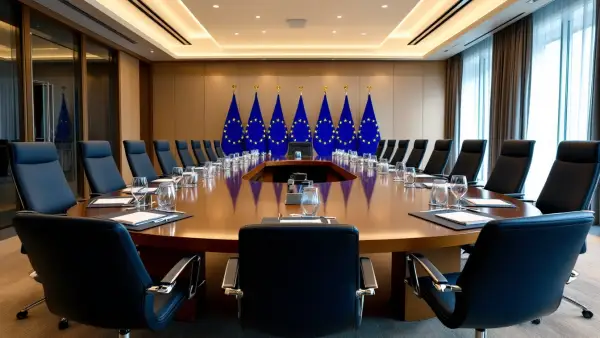
Europe runs a trade surplus of hundreds of billions with China, a tension that defies the global trend of China’s export dominance. French President Emmanuel Macron warned the European Union may impose tariffs on China if Beijing doesn’t reduce this imbalance, signaling a potential shift in economic posture as of December 2025.
This move isn’t mere protectionism—it exposes the EU’s strategic attempt to reshape trade constraints that limit its leverage over China’s market structures. Macron’s declaration reveals how economic power is less about size and more about control over trade terms.
In global trade, leverage comes from the ability to impose costs on counterparties without damaging oneself. The EU aims to convert its market demand into a tool, forcing China to address imbalances on EU terms. Understanding this mechanism helps explain why tariff threats matter beyond headline numbers.
“Trade leverage lies in turning economic dependencies into systemic control points.”
Why Conventional Views on Tariffs Miss the Real Play
Many analysts frame EU tariff threats as simple retaliation for China’s trade surplus. They overlook how this is about repositioning constraints within global trade flows. Tariffs are not just taxes—they’re strategic gates.
The EU doesn’t just seek revenue from tariffs; it wants to shift the balance of supply chain dependency. This contrasts with U.S.-China confrontations that often lean on tech decoupling. Instead, the EU is using market access as a systemic lever.
Similar dynamics appeared in other sovereign trade maneuvers, as explored in How US Swiss $200B Deal Quietly Cuts Tariff Costs By 39%, where negotiation constraints were repurposed to reduce costs, not just impose them.
Turning Trade Surplus Into a Leverage Constraint
China’s trade surplus with the EU reflects structural supply chain advantages: cheap manufacturing, scale, and export logistics. But the EU controls the market for high-value goods and consumer demand.
Unlike countries that escalate tariffs ignoring reciprocal risks, the EU’s potential tariff imposition targets the real constraint: China’s reliance on EU market access to maintain export volume. This is a leverage pivot, not just a tax hike.
While the U.S. focuses on technology export controls—limiting chips and software—the EU’s angle is demand throttling through tariffs. This difference changes how the EU sanctions affect trade partners and supply chains.
See a parallel in Why Dynamic Work Charts Actually Unlock Faster Org Growth, where structural redesign, not superficial tactics, unlocks real constraints. Here, tariffs act as a system-level constraint realignment.
How This Shift Reconfigures Global Trade Systems
With tariffs as leverage, the EU signals it can compel China to adjust trade policy without a full trade war. This nuanced use of constraints bypasses zero-sum thinking.
Key players in export markets—Germany, France, and the Netherlands—now hold negotiation power grounded in market gatekeeping, not just product competitiveness. This marks a system design that creates compounding advantage.
Countries like South Korea or Japan watching this will understand they must position supply chains to avoid market exclusion, not merely price competition.
Why Bank Of America Warns China’s Monetary Aggregates Secretly Signal Risk further suggests China’s internal financial system faces pressures that external trade leverage could amplify.
What Operators Should Focus On Next
Trade operators and supply chain managers should identify which market access points function as leverage constraints—tariff zones are more than cost centers; they’re control nodes.
Regulators need to understand that tariff systems can evolve from blunt instruments into precision levers that shift supply dependencies without broad disruption.
The real constraint changing is who controls market access. EU’s move exposes that controlling demand-side infrastructure yields more leverage than controlling supply-side assets alone.
“Economic leverage favors those who own the gates, not just the goods.”
Related Tools & Resources
As the EU navigates the complexities of trade leverage and supply chains, tools like MrPeasy can provide manufacturers with the edge they need to optimize production and inventory management. By bridging operational efficiency with strategic insights, businesses can better position themselves to respond to evolving trade dynamics. Learn more about MrPeasy →
Full Transparency: Some links in this article are affiliate partnerships. If you find value in the tools we recommend and decide to try them, we may earn a commission at no extra cost to you. We only recommend tools that align with the strategic thinking we share here. Think of it as supporting independent business analysis while discovering leverage in your own operations.
Frequently Asked Questions
What is the significance of Macron's tariff threat against China?
French President Emmanuel Macron threatened to impose tariffs on China if the trade imbalance isn't addressed by December 2025. This move signals the EU's strategic intent to use market access as leverage rather than simple protectionism.
How large is the EU's trade surplus with China?
The EU runs a trade surplus with China worth hundreds of billions, which defies the general global trend where China typically dominates exports.
Why does the EU view tariffs as more than just taxes?
The EU uses tariffs as strategic gates to shift supply chain dependencies and enforce trade constraints, not merely to generate revenue. This contrasts with the US approach of tech decoupling.
How does the EU's approach to trade leverage differ from the U.S.?
While the U.S. focuses on technology export controls, the EU leverages tariffs to throttle demand, transforming market access into a leverage constraint on China.
What impact could the EU's tariff strategy have on global supply chains?
The EU's use of tariffs as leverage may compel China to adjust policies without escalating to full trade wars, influencing countries like South Korea and Japan to reposition supply chains based on market access risks.
What should trade operators focus on regarding tariff zones?
Operators and supply chain managers should identify tariff zones as control nodes or leverage constraints, recognizing that these can evolve into precision tools altering supply dependencies.
How does controlling market access provide economic leverage?
Economic leverage favors those controlling market access gates rather than just goods, as controlling demand-side infrastructure yields more influence in trade negotiations.
What role do tools like MrPeasy play in navigating these trade dynamics?
Tools like MrPeasy help manufacturers optimize production and inventory management, enhancing their ability to respond strategically to evolving trade leverage and supply chain complexities.