
What Schiaparelli’s Hong Kong Debut Reveals About Luxury Retail Leverage

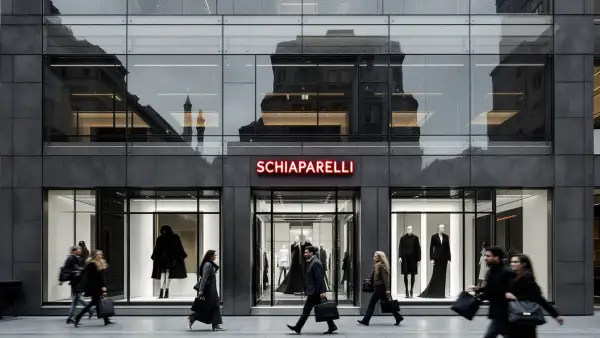
Hong Kong commands a premium in global retail rents, often 3-5x that of other Asian cities. Schiaparelli, the French fashion house known for surreal designs, is betting on Hongkong Land’s Landmark—a top-tier mall in Central—to open its first Asian flagship in January 2026.
This move is more than brand expansion. It leverages prime real estate location as a system-level advantage to amplify brand presence and control customer experience without scaling operational complexity.
Luxury brands that own their channel footprint in gateway cities tap compounding brand equity without chasing volume.
Controlling environment trumps chasing foot traffic numbers—and that quiet repositioning defines leverage in luxury retail today.
Why Flagship Stores Aren’t Just About Retail Presence
Conventional wisdom frames flagship stores as high-cost marketing vehicles, often written off as expense-heavy brand showcases. Analysts expect digital commerce to erode their importance globally.
They miss that flagship locations like Schiaparelli’s Landmark store are strategic constraints realignments: prime space controls the brand narrative and safeguards exclusivity, a constraint digital can’t replicate. See how this mechanism contrasts with typical online volume chasing in tech retail, as explored in why salespeople underuse LinkedIn profiles to close deals.
Strategic Selection of Hong Kong’s Landmark Unlocks Unique Advantages
Hongkong Land’s Landmark is not just real estate; it is an ecosystem of high-net-worth consumer traffic deeply embedded in Central’s business and luxury scene. Unlike competitors who scatter presence across secondary locations, Schiaparelli centrally positions itself to reduce logistics overhead and maximize targeted customer engagement efficiency.
This contrasts with brands reliant on online marketplaces or secondary Asian cities, which incur higher costs to reach luxury clientele or dilute exclusivity. The move embeds Schiaparelli into a refined system that automates brand curation without operational intervention, directly addressing a key hurdle discussed in why U.S. equities rose despite rate fears—positioning advantage outpaces macro uncertainty.
What This Means for Luxury Retail Leverage in Asia
The fundamental constraint Schiaparelli exploited is not physical space but the intersection of location, exclusivity, and brand control. Owning a flagship in Hong Kong’s Landmark reduces dependence on fluctuating online traffic and fragmented retail experiences.
Other luxury houses will need to weigh this against expansion costs or risk missing critical physical platform leverage in markets like China, Japan, and Singapore. The repositioning signals a subtle but powerful shift: physical flagship stores remain leverage cores in luxury’s digital age.
Luxury retail’s quiet edge: owning channel control in high-traffic premium hubs compounds brand power without constant human sales intervention.
Explore more on unlocking operational and strategic constraints in process documentation best practices and why dynamic work charts unlock faster growth.
Related Tools & Resources
Luxury brands like Schiaparelli are prioritizing smart, targeted engagement over mere foot traffic, a philosophy that aligns perfectly with what tools like Hyros offer. By using advanced ad tracking and ROI visibility, businesses can navigate the complex landscape of luxury retail with precision, ensuring that their marketing efforts directly enhance their brand narrative and control customer experience. Learn more about Hyros →
Full Transparency: Some links in this article are affiliate partnerships. If you find value in the tools we recommend and decide to try them, we may earn a commission at no extra cost to you. We only recommend tools that align with the strategic thinking we share here. Think of it as supporting independent business analysis while discovering leverage in your own operations.
Frequently Asked Questions
Why is Schiaparelli choosing Hongkong Land's Landmark for its Asian debut?
Schiaparelli is leveraging the prime real estate location of Hongkong Land's Landmark, a top-tier mall in Central Hong Kong with retail rents 3-5 times higher than other Asian cities, to amplify brand presence and control customer experience without increasing operational complexity.
How does owning a flagship store benefit luxury brands like Schiaparelli?
Owning a flagship store allows luxury brands to control their brand narrative and maintain exclusivity, creating a strategic advantage that digital commerce cannot replicate. It also enables compounding brand equity without focusing on volume or foot traffic numbers.
What makes Hong Kong’s Landmark mall unique for luxury retail?
Hongkong Land’s Landmark is more than real estate; it is an ecosystem attracting high-net-worth consumers in Central Hong Kong’s business and luxury scene. This location helps reduce logistics overhead and maximizes targeted customer engagement efficiency for brands like Schiaparelli.
How does Schiaparelli's flagship strategy differ from other luxury brands in Asia?
Unlike brands scattered in secondary locations or reliant on online marketplaces, Schiaparelli centrally positions itself in a premium location to automate brand curation and reduce operational intervention, giving it an edge in controlling exclusivity and customer experience.
Why do flagship stores remain relevant despite the rise of digital commerce?
Flagship stores act as strategic constraints that realign brand control and exclusivity, which digital channels cannot replicate. They provide physical leverage in key gateway cities, reducing dependence on fluctuating online traffic and fragmented retail experiences.
What impact does flagship presence have on luxury brand leverage in Asia?
Owning flagship stores in premium hubs like Hong Kong compounds brand power by securing channel control and exclusivity. This quiet repositioning signals that physical flagship stores remain core leverage points in luxury retail’s digital age.
What challenges might luxury brands face without flagship stores in key Asian cities?
Luxury brands without flagship stores may face higher costs reaching affluent clientele, diluted exclusivity, and greater dependence on less controlled sales channels like online marketplaces. This can weaken brand positioning and reduce operational efficiency.
How does Schiaparelli’s strategy relate to broader luxury retail trends?
Schiaparelli’s focus on location, exclusivity, and brand control reflects a shift where luxury retailers prioritize strategic physical presence over volume or foot traffic. This approach leverages real estate advantages to enhance customer experience and brand equity in Asia.