
What Smosh’s Studio Expansion Reveals About Creator Economy Scale

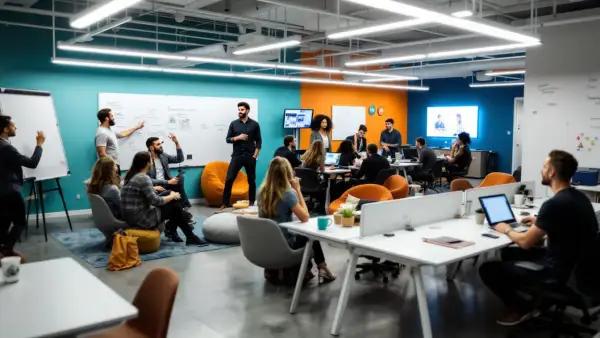
Instagram ads cost between $8-15 per install, yet Smosh is growing by doubling staff and opening a 32,000-sq.-ft. Los Angeles studio in 2026. Ian Hecox and Anthony Padilla—who bought back Smosh in 2023—are betting on expanding organically through content, not paid distribution. But this move isn’t just about more cameras; it’s about building a physical system that amplifies creative flow and operational leverage. “Buy audiences, not just products—the asset compounds,” Hecox’s approach reveals.
Old wisdom says digital creators only scale online. That’s wrong.
Conventional thinking treats creator channels as lightweight one-to-one audience channels limited by solo creator time. It assumes massive scale requires more talent or paid ads. But Smosh’sconstraint repositioning, not just expansion.
Unlike many YouTube creators relying solely on remote work or freelancers, Smoshthat typically hamper scaling in creator operations.
Designing for flow and team cohesion turns a studio into a growth engine
Alessandra Catanese, CEO with a decade in digital media, pushed for a space that balances startup fluidity and professional polish. Instead of siloed work-from-home setups or rigid corporate offices, Smosh’s
Many creator brands skimp on production infrastructure or cobble curtain-made green rooms. SmoshIan Hecox describes. This optimized flow saves hours of coordination per shoot, drastically increasing content output potential without linear hiring.
Why embedding physical infrastructure beats pure digital scaling
Unlike competitors who chase scale by burning cash on Instagram or TikTok ads, Smosh’s
This contrasts with agencies or creator companies that outsource production, where friction grows with scale. By doubling studio size, Smoshcontent factories.
What shifted constraints mean for the creator economy in 2026
Smosh’s
Other creator-centric companies in Los Angeles and beyond will replicate this as independent ownership and creative control become strategic assets. The industry evolves from influencer hustle to professional studio craft.
“To win sustainably, creators must architect environments that work without daily fire drills.”
Related Tools & Resources
As creators like Smosh expand their operations and seek greater content output, effective social media management becomes crucial. Platforms like SocialBee help streamline content scheduling and management, enabling creators to focus on their core strengths while amplifying their digital presence seamlessly. Learn more about SocialBee →
Full Transparency: Some links in this article are affiliate partnerships. If you find value in the tools we recommend and decide to try them, we may earn a commission at no extra cost to you. We only recommend tools that align with the strategic thinking we share here. Think of it as supporting independent business analysis while discovering leverage in your own operations.
Frequently Asked Questions
How is Smosh expanding its operations in 2026?
Smosh is doubling its staff and opening a new 32,000-square-foot studio in Los Angeles to serve five YouTube channels, increasing its production capacity substantially.
Why is Smosh choosing physical studio expansion over paid digital ads?
Smosh founders Ian Hecox and Anthony Padilla are betting on organic growth through content and embedding leverage in physical studio infrastructure, rather than relying on costly Instagram ads which range from $8-15 per install.
What benefits does a centralized studio bring to a digital creator like Smosh?
The centralized workspace reduces production friction and talent coordination challenges, enabling smoother creative flow, faster iteration, and increased content output without linear hiring.
How does Smosh's new studio design support team cohesion and creativity?
The studio includes private green rooms, communal lounges, and soft lighting aimed at balancing startup fluidity with professional polish to keep talent energized and aligned during production.
What is 'constraint repositioning' in the context of Smosh's expansion?
Constraint repositioning refers to embedding operational leverage within the studio infrastructure to overcome typical scaling bottlenecks, rather than trying to scale purely with more talent or paid ads.
How does Smosh's approach differ from other creator companies relying on remote work?
Unlike many creators who work remotely or outsource production, Smosh is consolidating teams at a physical location to internalize bottlenecks and improve coordination, which increases production efficiency.
What impact does Smosh's expansion have on the broader creator economy?
Smosh's physical infrastructure investment signals a shift from influencer hustle to professional studio craft, encouraging other creator companies to develop similar scalable operational systems beyond digital algorithms.
What tools can creators use to manage increased content output effectively?
Platforms like SocialBee help creators streamline social media scheduling and management, allowing focus on content creation while amplifying their digital presence effectively.