
What South Korea’s Retroactive Tariff Reveals About Trade Leverage

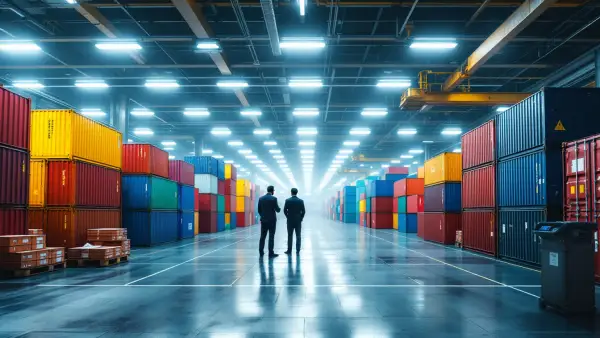
While global tariffs tend to be prospective and negotiated, South Korea retroactively imposed a 15% tariff on imports from November 1, 2025. US Commerce chief’s confirmation of this move highlights a rarely seen mechanism in international trade enforcement. This isn’t just about revenue—it’s about strategic constraint repositioning that shifts negotiation power.
South Korea's tariff applies retroactively, forcing importers to recalculate costs and supplies, creating a hidden overhead that many companies didn’t account for in Q4 plans. Tariffs usually act as future price signals; here, they reshape existing contracts and supply chains overnight. This effectively leverages regulatory tools to pressure exporters and incentivize policy shifts.
Countries that weaponize regulatory timing gain outsized leverage over trade partners. Understanding how this works reveals the evolving chessboard of trade relations beyond headline tariff rates.
Conventional Trade Wisdom Misses Timing Leverage
Conventional thinking positions tariffs as static tax increases driving trade balance adjustments. Analysts see tariffs as blunt instruments causing gradual market shifts. They're wrong—South Korea's retroactive tariff is a classic case of constraint repositioning.
Instead of waiting for market forces to react to tariff hikes, retroactive application forces immediate cost shocks on importers. This tactic flips timing constraints, disrupting supplier workflows from day one. It mirrors geopolitical leverage where timing and enforcement edge trumps pure tariff magnitude.
This move contrasts with countries like China and EU, which tend to announce tariffs prospectively with transition periods. It channels similar leverage principles as US-Swiss trade agreements that use nuanced tariff design for strategic advantage rather than blunt imposition.
Why Retroactivity Changes Market Dynamics
Retroactive tariffs create an immediate financial constraint forcing traders to absorb unplanned cost hikes or renegotiate supply terms under pressure. US exporters face inventory repricing, cash flow disruption, and risk of contract breaches. This changes the operational leverage game from future planning to crisis management.
Unlike traditional tariffs which companies can build into pricing models, retroactive tariffs demand rapid system and contract recalibrations across global supply chains. This exposes companies that rely heavily on stable tariff expectations to supply chain fragility. It forces export-heavy firms to adopt more dynamic logistics and pricing systems, favoring those with automation and real-time contract management.
The mechanism echoes constraints seen in tech layoffs where sudden system shocks reveal underlying leverage failures (link). Here, timing leverage exposes supply chain inflexibility and contract rigidities deeply embedded in global trade.
Who Gains and What’s Next
By confirming retroactive tariffs, South Korea signals readiness to use regulatory tools beyond standard diplomacy. Countries trading with Korea must now code for these timing risks or face costly surprises.
Strategic operators will invest in agile trade compliance, automated real-time tariff monitoring, and diversified supply chains less exposed to specific country-level shocks. Asian neighbors like Vietnam and Taiwan may replicate such leverage mechanics, pushing trade from price negotiation to timing and enforcement competition.
Tariff timing is the new frontier of trade leverage—control when rules hit to disrupt rivals without raising nominal rates.
Related Tools & Resources
For manufacturers facing sudden regulatory changes like South Korea's retroactive tariffs, leveraging platforms like MrPeasy can streamline operations and improve inventory management. With tools designed for agile production planning, businesses can adapt quickly to new market dynamics and maintain a robust supply chain amidst these shifts. Learn more about MrPeasy →
Full Transparency: Some links in this article are affiliate partnerships. If you find value in the tools we recommend and decide to try them, we may earn a commission at no extra cost to you. We only recommend tools that align with the strategic thinking we share here. Think of it as supporting independent business analysis while discovering leverage in your own operations.
Frequently Asked Questions
What is a retroactive tariff and how does it affect importers?
A retroactive tariff is a tariff applied to imports for past shipments, forcing importers to recalculate costs and absorb unexpected charges. For example, South Korea applied a 15% tariff retroactively on imports from November 1, 2025, disrupting supply chains and contracts overnight.
Why do countries use retroactive tariffs instead of prospective tariffs?
Retroactive tariffs create immediate financial pressure on exporters and importers by reshaping existing contracts and supply chains. This strategic constraint repositioning shifts negotiation power by leveraging timing and enforcement mechanisms rather than just increasing tariff rates.
How do retroactive tariffs disrupt global supply chains?
Retroactive tariffs force companies to rapidly adjust pricing models, inventory valuation, and contracts, causing cash flow disruptions and risk of contract breaches. This creates hidden overhead many companies may not plan for, increasing supply chain fragility for export-heavy firms.
What advantages do countries gain by weaponizing tariff timing?
By controlling when tariffs take effect, countries like South Korea gain outsized leverage over trade partners, disrupting rivals without raising nominal rates. Timing leverage pressures exporters to adapt quickly, forcing policy shifts and strategic compliance from trading countries.
How does South Korea's retroactive tariff compare with other countries' tariff strategies?
Unlike countries such as China and the EU that announce tariffs prospectively with transition periods, South Korea's retroactive 15% tariff forces immediate cost shocks. This mirrors strategic trade agreements like US-Swiss deals that use nuanced tariff designs for leverage rather than blunt imposition.
What risks do US exporters face due to retroactive tariffs?
US exporters face inventory repricing, cash flow disruption, and the risk of contract breaches caused by sudden unplanned cost hikes. This changes operational leverage from future planning to crisis management, demanding more agile logistics and pricing systems.
How should businesses adapt to the threat of retroactive tariffs?
Businesses should invest in automated real-time tariff monitoring, agile trade compliance, and diversified supply chains. Firms with dynamic logistics and contract management systems are better positioned to handle unexpected tariff timing risks.
Could other countries adopt South Korea's tariff timing strategy?
Yes, Asian neighbors like Vietnam and Taiwan may replicate timing leverage mechanics, pushing international trade competition from price negotiations to timing and enforcement strategies.