
What Trump’s Military Checks Reveal About Political Leverage Limits

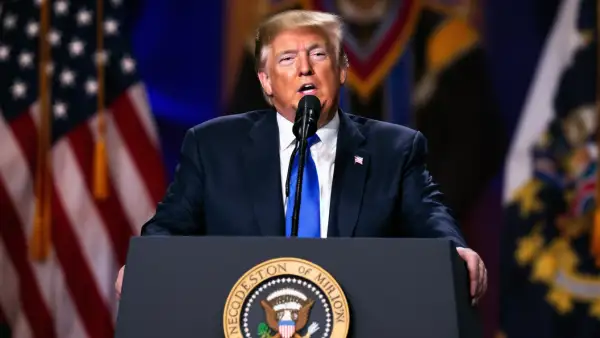
Promises of direct cash payments create the illusion of easy economic relief. President Donald Trump announced sending $1,776 bonus checks to military members, funded by tariffs, ahead of Christmas 2025. But this move isn’t just about cash—it exposes the limits and leverage constraints within US budgetary systems. Political gestures lack automatic fiscal authority without Congress.
The plan to use tariffs as the funding source sidesteps traditional budget approval, challenging constitutional spending rules. Yet members of Congress hold explicit power over federal appropriations, creating a structural barrier to unilateral action. With his economic approval rating at 36% according to NPR/PBS News Marist Poll, this promise targets key constituencies ahead of crucial midterm elections.
Instead of straightforward fiscal stimulus, the mechanism here plays on executive positioning within a tightly constrained governance system. The real leverage is in framing tariffs as self-funding bonuses that build political momentum—with uncertain legal backing but clear electoral calculus. Direct payments require system-level consent, not just presidential fiat.
“True leverage in policymaking means altering constraints, not just signaling change,” says one analyst. This episode highlights why understanding the separation of powers is critical for any operator trying to read beyond political headlines.
Why Cash Bonuses Aren’t Automatic Economic Levers
Conventional wisdom suggests that presidential checks equal instant stimulus. This ignores the US constitutional constraint that allocates budgetary control to Congress. Trump’s promise assumes tariffs generate enough revenue and political will without congressional approval.
This challenges the assumption that tariffs can function like a dedicated, off-budget revenue stream. Unlike permanent infrastructure funding or entitlement programs, tariff proceeds flow into the general fund, requiring appropriation. This distinction flips the script on perceived fiscal leverage.
This lack of actual budget autonomy aligns with findings in why sovereign finance depends on system fragility.
How Tariffs as Political Tools Create Perceived Funding Pools
Trump’s tariffs have generated billions in revenue, but reallocating those for direct payments without legislative buy-in is unprecedented. Comparing similar initiatives, congressional Republicans balked at a $2,000 tariff dividend proposal intended as broad-based relief, indicating political resistance can outweigh available funds.
Similarly, the prior $10,000 TSA bonus for federal shutdown resilience involved selective allocations, not broad systemic change. This contrasts with permanent spending programs that carry automatic authority, illustrating a divide between signaling payouts and systemic budget levers.
This mechanism of using tariffs outside appropriations creates a tension between executive promises and actual fiscal leverage. It shares parallels with profit lock-in constraints in capital markets—apparent gains blocked by structural limits.
Where Leverage Really Lies in US Fiscal Strategy
The core constraint shifted here isn’t about money but authority. Congress’s control over spending is the fundamental bottleneck. Without new legislation, these bonuses remain promises, not guaranteed leverage.
Operators tracking political-economic leverage should note the tradeoff: executive moves can shift narratives and temporarily mobilize support, but structural leverage demands control over fiscal mechanisms. This explains why similar tariff dividend proposals stalled despite executive enthusiasm.
For future campaigns, the implication is clear: leverage is gained by securing systemic budget authority, not just creating headline-making promises. This lesson echoes through government and business systems where permission gating constrains direct execution.
Other democracies with stronger executive budget control might replicate direct-transfer leverage more easily, but the US constitutional design enforces difficult constraint repositioning. Understanding this unlocks a deeper grasp of American policy mechanics.
“Leverage is less about what you say and more about whose nod you need to turn plans into action.”
Related Tools & Resources
Understanding the intricate balance between political leverage and fiscal authority is crucial for effective governance. This is why tools like Hyros, which offer advanced ad tracking and ROI analysis, can become essential for marketers looking to navigate complex budgetary constraints and optimize their outreach strategies effectively. Learn more about Hyros →
Full Transparency: Some links in this article are affiliate partnerships. If you find value in the tools we recommend and decide to try them, we may earn a commission at no extra cost to you. We only recommend tools that align with the strategic thinking we share here. Think of it as supporting independent business analysis while discovering leverage in your own operations.
Frequently Asked Questions
What was President Trump’s proposed military bonus check amount?
President Donald Trump announced sending $1,776 bonus checks to military members, funded by tariffs, ahead of Christmas 2025.
How does the US budget system limit the president’s ability to send bonus checks?
The US Constitution grants Congress explicit power over federal appropriations, meaning the president cannot unilaterally authorize direct payments without congressional approval.
Why can’t tariffs be used as an automatic funding source for direct payments?
Tariff revenues flow into the general fund and require congressional appropriation; unlike dedicated funds, tariffs do not provide automatic or off-budget revenue for spending.
What is the significance of President Trump’s 36% economic approval rating in this context?
With an economic approval rating of 36%, Trump's promise of tariff-funded bonuses targets key constituencies to build political momentum ahead of midterm elections.
Have there been similar tariff-based or bonus payment proposals before?
Yes, a $2,000 tariff dividend proposal was previously resisted by congressional Republicans, and a $10,000 TSA bonus was selectively allocated during a federal shutdown, showing political resistance to broad unilateral payments.
What role does Congress play in US fiscal strategy and budgetary control?
Congress has the fundamental authority over spending and appropriations, acting as the core constraint on executive fiscal initiatives like direct payments or stimulus checks.
How does Trump’s military checks plan illustrate the limits of political leverage?
It shows that leverage requires systemic budget authority, not just executive signaling; promises without congressional consent lack guaranteed fiscal impact.
How might other countries differ in executive control over budgetary transfers?
Some democracies have stronger executive budget control allowing direct transfers more easily, but the US constitutional separation of powers enforces constraints on such unilateral fiscal actions.