
What TSA’s REAL ID Fee Reveals About U.S. Travel Security Leverage

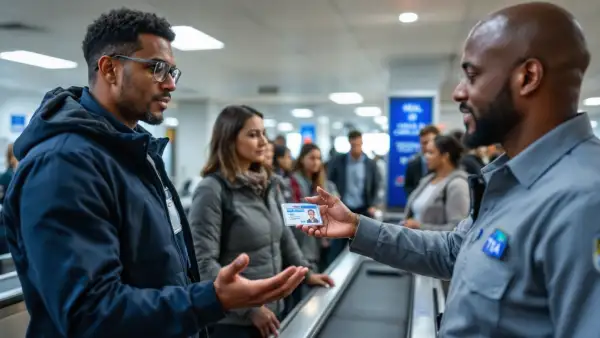
Air travel in the U.S. faces a new friction point as starting February 2026, passengers without a REAL ID will pay a non-refundable $45 fee to clear security. The Transportation Security Administration (TSA) demands this from travelers lacking federally compliant IDs or acceptable alternatives like passports at more than 250 U.S. airports. But this is about more than passenger screening—it’s a strategic move reshaping how identity verification scales efficiently.
While 94% of domestic flyers already comply with REAL ID standards, the fee shifts core constraints for the remaining few, pushing them into a costly verification path via TSA’s Confirm.ID system. This places control over identity validation in the hands of a centralized digital platform, tethering physical ID adoption to automated alternative processes. Countries that enforce identity infrastructure at scale control travel flow and security efficacy.
Why The $45 Fee Isn’t Just About Revenue
The instinct is to see this as a simple penalty for non-compliance. Analysts might call it a revenue play or a deterrent against lagging states and travelers. They miss the deeper leverage in TSA’s repositioning of identification constraints.
Instead of relying on decentralized, manual document checks—which require continuous human intervention and cause bottlenecks—this fee funnels non-compliant passengers into an alternative identity verification system that creates scalable, semi-automated layers of security. This reduces choke points while embedding costs that reflect operational complexity. See parallels in digital identity systems discussed in Why Salespeople Actually Underuse LinkedIn Profiles for Closing Deals where underutilized digital touchpoints hold hidden cost and efficiency potential.
The REAL ID Constraint Shift vs. Legacy Alternatives
Unlike states dragging adoption because of the upfront hassle collecting extra documents—like birth certificates and social security cards—the TSA is effectively externalizing the cost of verification to the traveler via Confirm.ID. This system verifies identity for a 10-day travel window without requiring full REAL ID documentation, but at a higher friction point and monetary cost.
Competitors — passports, military IDs, digital IDs in Apple Wallet or Google Wallet — sidestep this fee with streamlined verification recognition. This exposes a leverage point: those controlling scalable digital ID acceptance create strategic advantage over legacy document issuance systems prone to delay and fragmentation.
The TSA’s move echoes broader security tech consolidation seen in How OpenAI Actually Scaled ChatGPT to 1 Billion Users, where centralization and platform control reduced friction and enabled reach.
Who Wins When ID Enforcement Becomes a Layered System?
This fee reveals the hidden mechanism behind U.S. security redesign: it is a controlled constraint shift forcing travelers into a tiered identity ecosystem. This ecosystem balances physical ID issuance, digital wallets, and alternative TSA verification in a feedback loop to nudge behavioral change without outright bans—yet still monetizes deviation.
Operators in governments and travel ecosystems should note the precedent for tying compliance to automated verification shortcuts paired with surcharge incentives. The U.S. model offers a roadmap for other countries seeking to reduce human screening burden without sacrificing identity trust.
Controlling identity infrastructure at steps that scale independently of manual intervention creates a compounding system advantage. “The future of travel security is less about prohibitions and more about multi-layered, automated identity leverage,” shaping how millions move with less friction and greater risk management.
For more on critical system constraints and leverage in identity and security, see How Anthropics AI Hack Reveals Critical Security Leverage Gaps and Enhance Operations With Process Documentation Best Practices.
Related Tools & Resources
As travel security transforms with new identity verification layers, having robust surveillance and security measures in place becomes crucial. This is precisely where Surecam comes into play, providing comprehensive video surveillance solutions that can enhance security for both businesses and travel operators alike. By integrating effective monitoring, you can stay ahead in an increasingly regulated environment. Learn more about Surecam →
Full Transparency: Some links in this article are affiliate partnerships. If you find value in the tools we recommend and decide to try them, we may earn a commission at no extra cost to you. We only recommend tools that align with the strategic thinking we share here. Think of it as supporting independent business analysis while discovering leverage in your own operations.
Frequently Asked Questions
What is the TSA REAL ID fee starting in 2026?
Starting February 2026, passengers without a federally compliant REAL ID or an acceptable alternative will pay a non-refundable $45 fee to clear security at over 250 U.S. airports.
Why is the TSA charging this $45 fee?
The $45 fee is not just a penalty; it funnels non-compliant travelers into TSA's Confirm.ID system, a semi-automated identity verification platform that creates scalable security layers and reduces manual screening bottlenecks.
What percentage of U.S. domestic flyers already comply with REAL ID standards?
About 94% of U.S. domestic flyers already have REAL ID-compliant identification, meaning only a small minority will be affected by the TSA fee and alternative verification process.
What alternatives exist to avoid paying the TSA REAL ID fee?
Travelers can avoid the $45 fee by using passports, military IDs, or digital IDs stored in Apple Wallet or Google Wallet, which bypass the fee via streamlined verification recognition.
How does the TSA Confirm.ID system work?
Confirm.ID verifies travelers’ identities for a 10-day travel window without requiring full REAL ID documentation, but it imposes a higher friction point and monetary cost to the traveler.
What broader strategy does the TSA REAL ID fee reveal about U.S. travel security?
The fee represents a strategic shift towards automated, multi-layered identity verification that balances physical ID issuance with digital and alternative TSA systems, improving efficiency and controlling travel flow.
How might this TSA policy affect other countries’ travel security systems?
The U.S. model offers a roadmap for other countries to reduce human screening burdens by integrating automated identity verification and surcharge incentives without sacrificing security trust.
What role does identity infrastructure control play in travel security?
Controlling scalable identity infrastructure, such as digital ID acceptance, creates strategic advantages by enabling friction reduction, cost embedding, and better risk management in travel security.