
Why Amazon and Walmart’s 30-Minute Delivery Reveals Scale as the Ultimate Barrier

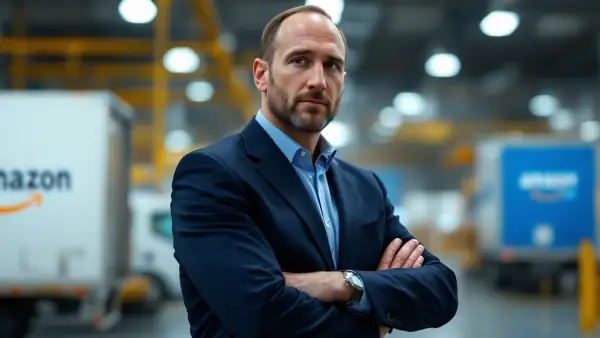
Fast delivery is a high-stakes battleground with ultrafast options squeezing margins to near zero. Amazon just launched a 30-minute delivery test in Seattle and Philadelphia, while Walmart fulfilled a Black Friday order in 10 minutes and expanded drones in Atlanta.
But this push isn’t just about speed—it’s about reconfiguring fulfillment at scale to capture a new kind of customer lock-in. Amazon and Walmart are leveraging their vast inventory and physical footprint to escape the pitfalls that sunk early ultrafast startups.
Other firms like Gorillas and Getir failed after trying similar ultrafast delivery models in the US. Their lack of scale and breadth of inventory made their offerings cost-prohibitive and operationally brittle.
Scale is the biggest constraint that ultra-rapid delivery exposes—and whoever masters it rewires customer expectations for instant gratification.
Why Conventional Wisdom Overlooks Scale as the Core Constraint
Industry watchers often frame ultrafast delivery as a question of consumer demand or technology readiness. They focus on whether customers want groceries in 15 or 30 minutes, or on drone hardware and routing software innovations.
That misses the real challenge: sustaining inventory density near the end customer. Without a vast network of physical locations and warehouses stocked with the right goods, 30-minute delivery is simply unprofitable.
This constraint is the underlying mechanism that forced startups like Gopuff and Getir to abandon or scale back US operations despite massive venture funding.
Those failures reveal a structural hurdle that only giants like Amazon and Walmart can surmount by integrating fulfillment with their existing vast supply chains. Structural leverage failures in tech parallel this where scale is the differentiator.
How Amazon and Walmart Leverage Scale to Solve the Fulfillment Density Puzzle
Walmart operates 4,600 stores nationwide, and Target has 2,000, drastically reducing last-mile distance and inventory stocking costs. Amazon counters with 25,000 drop boxes and is aggressively adding new physical stores, yet still trails Walmart in sheer location density.
This scale means both companies can support the massive inventory volume an ultrafast promise demands. Instead of relying on boutique micro-warehouses or centralized hubs, frequency and proximity transform their costs from delivery-focused to infrastructure-fixed.
Massive inventory density also allows upselling in the ecosystem. When the ultrafast delivery triggers a customer visit, the marketplace exposure increases. Customers buy staples now and higher-margin items later, unlocking a compounding revenue stream.
This mechanism differs radically from earlier models where ultrafast delivery was a standalone luxury service without marketplace leverage. It parallels how OpenAI scaled ChatGPT by turning usage into leverage for broader product ecosystems.
Why Urban Density and Consumer Habits Also Shape the Leverage Equation
In dense cities like Manhattan, ultrafast delivery is theoretically easier due to shorter distances and concentrated demand. Still, local retail options like bodegas compete as natural leverage points for consumers.
In sprawling US suburbs, where consumers prefer to drive themselves, the economics become difficult. Delivery fleets cover more ground with lower order density, raising costs. This consumer behavior entrenches the constraint that only a dense physical footprint can overcome.
Amazon's
US market friction contrasts with China and India, where ultrafast delivery already thrives through extreme density and more centralized urban living. These international examples signal the geographic importance of solving inventory and last-mile constraints.
What This Means for Retail and Logistics Leaders Going Forward
The key constraint in ultrafast delivery is inventory and fulfillment proximity—only massive, integrated networks can sustainably offer 30-minute delivery. This shifts the battlefield from technology innovation to physical and supply chain scale.
Operators should focus on mechanisms that avoid perpetual margin erosion by embedding ultrafast service within broader marketplace platforms, capturing compounding customer value.
Walmart's scale-led growth and systematized operations become essential models for this approach.
Owning inventory density is the real leverage in ultrafast delivery—not just fulfilling orders quickly. Retailers who crack this can rewrite consumer expectations and reshape supply chain economics for years to come.
Related Tools & Resources
For businesses embracing the need for scale in logistics, tools like Centripe can significantly enhance ecommerce analytics and profit tracking. With the right insights and data, companies can optimize their operations and maintain a competitive edge in the ultrafast delivery landscape. Learn more about Centripe →
Full Transparency: Some links in this article are affiliate partnerships. If you find value in the tools we recommend and decide to try them, we may earn a commission at no extra cost to you. We only recommend tools that align with the strategic thinking we share here. Think of it as supporting independent business analysis while discovering leverage in your own operations.
Frequently Asked Questions
Why is scale considered the ultimate barrier in ultrafast delivery by Amazon and Walmart?
Scale refers to having a vast network of inventory and physical locations to sustain dense fulfillment. Amazon and Walmart's massive store counts (4,600 Walmart stores and 25,000 Amazon drop boxes) enable 30-minute delivery profitability, unlike smaller startups that failed due to high costs and limited inventory.
How fast has Walmart fulfilled orders during its ultrafast delivery tests?
Walmart fulfilled a Black Friday order in as little as 10 minutes, showcasing how scale and physical presence can reduce delivery times beyond typical ultrafast benchmarks.
What cities has Amazon tested its 30-minute delivery service in?
Amazon has launched a 30-minute delivery test in Seattle and Philadelphia, leveraging its extensive inventory and infrastructure to provide rapid delivery.
Why did startups like Gorillas and Getir fail their ultrafast delivery models in the US?
Startups such as Gorillas and Getir lacked the inventory density and physical scale necessary for cost-effective ultrafast delivery, leading to operational challenges and unprofitability despite venture funding.
How does urban density affect the feasibility of ultrafast delivery?
Dense urban areas like Manhattan make ultrafast delivery more feasible due to shorter distances and concentrated demand, whereas sprawling suburbs with low order density increase delivery costs and challenge profitability.
What advantage do Amazon and Walmart have over micro-warehouses for ultrafast delivery?
Amazon and Walmart's extensive networks transform delivery costs from high last-mile expenses to infrastructure-fixed costs by leveraging numerous stores and drop boxes, allowing them to support high inventory volume sustainably.
How does ultrafast delivery create additional revenue opportunities for retailers like Walmart and Amazon?
Ultrafast delivery triggers customer visits that increase marketplace exposure and upselling opportunities. Customers often buy staples quickly and higher-margin items later, generating a compounding revenue stream.
How does the ultrafast delivery market in the US compare with China and India?
China and India benefit from extreme urban density and centralized living, enabling thriving ultrafast delivery markets. The US's sprawling geography and consumer habits make scale and density critical constraints for ultrafast delivery success.