
Why C-Beauty’s Retail Expansion Outside China Remains a Slow Slog

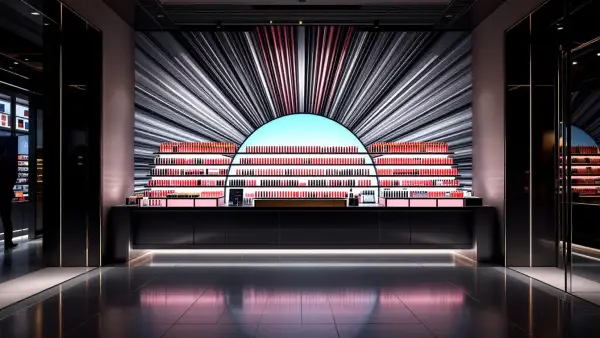
Global cosmetics retail expansion usually hinges on riding existing distribution networks and brand familiarity. C-beauty brands like Mao Geping Cosmetics recently opened their first stores in hubs like Hong Kong, aiming to replicate mainland success. But despite flashy displays, foot traffic remains thin—exposing a strategic gap beyond product appeal. Leverage in retail is less about storefronts and more about ecosystem integration.
Opening physical stores in international retail corridors like Harbour City challenges C-beauty brands because they underestimate the embedded leverage of local systems. The case of Mao Geping’s quiet weekdays reveals that brand recognition and supply chains are insufficient without deeper market integration. This situational friction reframes what retail expansion truly demands: the ability to plug into sales, marketing, and distribution frameworks that run on automation and local leverage.
Why Conventional Wisdom on Expansion Misses the Hidden Leverage
Industry narratives often promote retail openings as a core growth lever. But this ignores the critical constraint: replicating the seamless ecosystem dominance that Western and K-beauty brands achieved years earlier. Without system-level integration—local influencers, logistic automation, return-policy alignment—stores become static showcases, not profit engines. Leverage in sales often depends on connection systems, not just product pitches, a principle overlooked in C-beauty’s retail moves.
How Local Ecosystem Dominance Defines Overseas Success
K-beauty brands like Amorepacific and Innisfree dominated overseas by first embedding into digital marketplaces and influencer networks before or alongside their physical stores. They built automated supply chains and partnered with established retail groups to reduce friction at every customer touchpoint. Mao Geping, by contrast, leans on the visual appeal of its in-store experience without full ecosystem play. This difference helps explain the slow footfall despite significant brand investment. Scaling requires unlocking systemic levers, not isolated pushes.
Without this integration, C-beauty stores face headwinds from entrenched competitors with automated logistics, targeted digital marketing, and robust after-sales service—none of which can be replicated simply by renting retail space.
What Changing This Means for C-Beauty & Global Retailers
The core constraint is not branding or premium product quality but a lack of embedded local operational systems—automated supply chains, digital distribution, and influencer ecosystems—that operate without constant human intervention. C-beauty brands must pivot from single-channel investment to multi-layered leverage models, including strategic digital partnerships and streamlined cross-border logistics.
Only by redesigning their expansion system can they unlock compounding advantages beyond China’s borders. This shift will force other emerging-market brands to rethink expansion beyond face-value storefronts and focus on ecosystem control points. Clear process documentation and system design amplify these levers, enabling sustained growth rather than one-off market entries.
“Global retail is won by those controlling seamless ecosystem integration, not just shelf space.”
Related Tools & Resources
For C-beauty brands struggling with market integration and visibility, investing in advanced analytics tools like Hyros can truly unlock new dimensions of growth. By leveraging precise ad tracking and marketing attribution, brands can better understand consumer behavior and optimize their strategies for the competitive global market. Learn more about Hyros →
Full Transparency: Some links in this article are affiliate partnerships. If you find value in the tools we recommend and decide to try them, we may earn a commission at no extra cost to you. We only recommend tools that align with the strategic thinking we share here. Think of it as supporting independent business analysis while discovering leverage in your own operations.
Frequently Asked Questions
Why is C-beauty’s retail expansion outside China slower than expected?
C-beauty brands like Mao Geping face slow retail growth abroad because they lack integration into local ecosystems such as automated supply chains and influencer networks, which Western and K-beauty brands achieved earlier.
How do K-beauty brands succeed overseas compared to C-beauty?
K-beauty brands like Amorepacific and Innisfree embed themselves into digital marketplaces and influencer networks before or alongside physical stores, building automated supply chains and partnering with established retail groups to smooth customer experience.
What key challenges do C-beauty brands face when opening physical stores internationally?
C-beauty brands underestimate the embedded leverage of local systems, resulting in low foot traffic and static storefronts due to insufficient market integration in sales, marketing, and logistics.
What does "leverage in retail" mean in the context of global cosmetics expansion?
Leverage in retail means ecosystem integration beyond just storefront presence, including automation, local influencer partnerships, logistics, and return policies to create frictionless customer experience and sustained growth.
Why do physical stores alone not guarantee success for C-beauty brands?
Without seamless integration with local sales and marketing frameworks, physical stores often become static showcases rather than profit-generating outlets, as seen with Mao Geping’s quiet Hong Kong locations.
What strategies should C-beauty brands adopt to improve overseas retail growth?
C-beauty brands should pivot to multi-layered leverage models involving strategic digital partnerships, streamlined cross-border logistics, and automation to embed deeply into local operational systems.
How important are digital tools like Hyros for C-beauty brands expanding abroad?
Advanced analytics tools such as Hyros help C-beauty brands track ads precisely and optimize marketing attribution, unlocking new growth dimensions in competitive global markets.
What impact does ecosystem integration have on the global retail success of beauty brands?
Ecosystem integration allows brands to automate supply chains, leverage influencer networks, and deliver seamless shopping experiences, which compound competitive advantages and sustain overseas market success.