
Why Crab’s Soaring Prices Reveal Luxury’s Hidden Supply Constraint

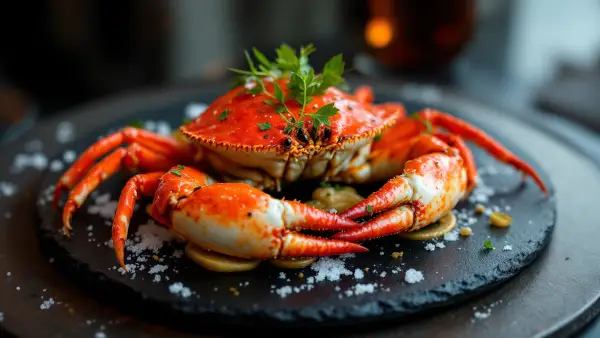
While caviar and truffle have become fast food garnishes, crab has surged as the true luxury ingredient commanding unprecedented prices in New York and beyond. Regalis Foods reports wholesale king crab costs at $70-$85 per pound, with retail prices for a single 10-pound live specimen surpassing $1,200. This price inflation isn’t just scarcity—it exposes a structural supply constraint powered by ecological and political upheaval that has reshaped luxury dining economics. “Availability dictates exclusivity; farmability is the new luxury,” signals Ian Purkayastha, founder of Regalis Foods.
Luxury Ingredient Isn’t Just a Price Tag
Conventional wisdom holds that luxury is defined by extravagant pricing or branding alone. But crab’s escalating costs illustrate a deeper supply-side leverage: unlike caviar or truffle, king crab and specialty snow crabs cannot be farmed or scaled easily. Their stocks are bound to unstable geopolitical zones in Norway and Japan, where fishing rights and environmental disruption sharply restrict availability. This is a classic case of constraint repositioning—scarcity is intrinsic, not just a marketing ploy.
Systemic Constraints Create Compounding Premiums
Top New York restaurants like Sushidokoro Mekumi import snow crab directly from Kanazawa, Japan, paying wholesale rates near $675 per crab for omakase menus priced at $888 per person. The sourcing logistics require speed and delicacy, leveraging specialized fisherman skills and carbon-intensive transport. This creates a cost floor insulated from typical food supply chain efficiencies. While alternatives like lobster and wagyu beef have been commoditized into fast food, crab’s supply chain remains tightly controlled and unscalable, preventing dilution of its luxury status. Dynamic work charts in the seafood supply chain operationalize this precision.
Why Price Becomes a Signal, Not Just a Cost
The high cost of crab shifts it from mere ingredient to curated experience, as seen in eateries like Octo and Carbone Riviera. There, a single crab dish can top $2,000—leveraging authenticity, provenance, and labor intensity to create a menu item that transcends food and becomes performance art. This is a systemic advantage for operators who control supply relationships and provenance storytelling. Unlike competitors chasing volume growth or marketing flair, the real leverage here is in owning an unreplicable supply constraint and the cultural cachet it unlocks. This mechanism transforms capital-intensive rarity into scalable brand exclusivity, a powerful strategic moat.
What Operators Should Watch
The true leverage revealed by crab’s luxury surge is ecological and geopolitical fragility constraining supply. Chefs, restaurateurs, and luxury food purveyors must recognize that sourcing is now the critical bottleneck—not menu innovation or brand hype. Those who embed supply control and provenance into systems and storytelling will convert rising costs into enduring luxury premiums. This contrasts sharply with commoditized protein markets like wagyu beef or lobster that struggle to maintain exclusivity. Markets tracking natural constraints—like crab fisheries—offer a forward-looking advantage. U.S. equities’ contrasting dynamics underscore the importance of system-level constraint plays in pricing power. “Farmability isn’t just agricultural—it’s the new luxury moat,” and crab’s rise proves it.
Related Tools & Resources
As the luxury food market evolves and supply constraints tighten, tools like MrPeasy can assist producers and restaurants in managing their operations more effectively. By streamlining inventory control and production planning, this platform allows for greater adaptability in the face of rising costs and supply chain challenges. Learn more about MrPeasy →
Full Transparency: Some links in this article are affiliate partnerships. If you find value in the tools we recommend and decide to try them, we may earn a commission at no extra cost to you. We only recommend tools that align with the strategic thinking we share here. Think of it as supporting independent business analysis while discovering leverage in your own operations.
Frequently Asked Questions
Why are crab prices soaring in luxury markets like New York?
Crab prices, especially king crab, have surged due to structural supply constraints influenced by ecological fragility and geopolitical issues in fishing zones such as Norway and Japan. Wholesale king crab now costs $70-$85 per pound, making retail prices for a 10-pound live crab exceed $1,200.
How do supply constraints affect the luxury status of crab?
Unlike farmable luxury foods such as caviar or truffle, king crab and snow crab cannot be easily farmed or scaled. Their availability is limited by unstable regions and fishing rights, which tightly controls supply and prevents commoditization, thus preserving crab's premium luxury status.
What role do New York restaurants play in crab’s premium pricing?
Top restaurants like Sushidokoro Mekumi import specialty snow crab from Kanazawa, Japan, paying up to $675 wholesale per crab. These costs are incorporated into omakase menus priced at $888 per person, reflecting the intricate logistics and exclusivity involved in sourcing.
How does the concept of "farmability" influence luxury food markets?
"Farmability" refers to the ability to cultivate luxury ingredients sustainably and at scale. Its scarcity makes crab a "new luxury moat," as its wild supply is fragile and geographically constrained, creating a structural advantage for operators who control provenance and supply.
What makes crab dishes a curated experience beyond their cost?
Crab dishes at eateries like Octo and Carbone Riviera can cost over $2,000, where price signals exclusivity, authenticity, provenance, and labor intensity. This transforms the dish into a performance art experience, leveraging storytelling and unique supply relationships.
How should restaurateurs and chefs adapt to crab's luxury surge?
Operators should prioritize supply chain control and embed provenance storytelling into their offerings. Recognizing ecological and geopolitical bottlenecks as the critical leverage points will help convert rising costs into sustained luxury premiums rather than focusing solely on menu innovation.
What alternatives exist and how do they compare to crab in luxury status?
Alternatives like lobster and wagyu beef have become commoditized and fast-food ingredients, unlike crab whose supply remains tightly controlled and unscalable, maintaining a higher luxury cachet and price point.
What tools can assist food producers in managing luxury supply constraints?
Tools like MrPeasy help streamline inventory and production planning to tackle supply chain challenges and rising costs. MrPeasy supports luxury food market adaptability by improving operational efficiency amidst tightening ecological and supply constraints.