
Why Emirates and 17 Airlines Bet on Starlink’s In-Flight WiFi

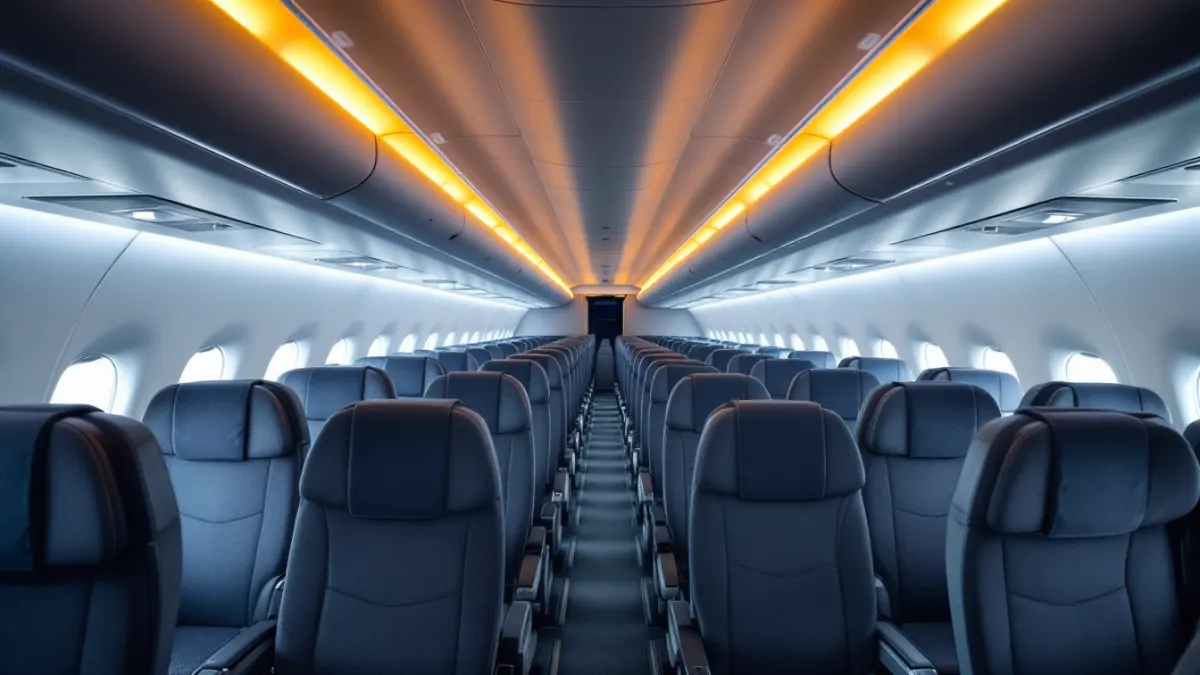
In-flight WiFi traditionally lags behind ground-based speeds, especially over oceans. Emirates just committed to offering free Starlink internet on all 232 aircraft by mid-2027, joining Qatar Airways, British Airways, and 16 others globally.
This isn’t about incremental speed upgrades—it’s about repositioning the fundamental connectivity constraint from expensive ground stations to a vast, low-earth orbit satellite constellation.
Starlink operates over 7,000 satellites, enabling internet speeds over 200 Mbps in-flight, faster than many terrestrial options. This shifts the economics and capability of onboard internet, creating a new baseline for airline service.
Infrastructure control in remote environments drives competitive advantage in the skies.
Why In-Flight Internet Isn’t Just a Service Upgrade
Industry consensus treats in-flight WiFi improvements as incremental technology swaps. They miss the deeper shift: Starlink leverages a satellite constellation that solves the coverage and latency constraints of legacy geostationary systems like Viasat, used by Delta Air Lines and American Airlines.
Unlike Viasat’s handful of high orbits causing lag and limited coverage, Starlink’s low-earth orbit satellites blanket routes globally, including remote oceanic paths airlines traverse. This makes ultra-high-speed WiFi possible and scalable without costly ground infrastructure.
Contrast this with JetBlue opting for Amazon Leo, which only has around 150 satellites launched so far, limiting its immediate network scale and speed. Airlines embracing Starlink lock in access to speed and coverage that rivals or surpasses many ground-based services.
See why underutilizing existing leverage tools limits growth for parallels in shifting competitive constraints.
Geographic Scale and Loyalty Tie-Ins Create Network Effects
The rollout across airlines like Air France, Air New Zealand, United Airlines, and WestJet indicates a compounding adoption effect. Most carriers offer Starlink free but require loyalty program signups, integrating customer data capture into service delivery.
This strategy converts a utility upgrade into a growth lever, locking customers into ecosystems. The network of airlines adopting Starlink creates a de facto standard hard for competitors to displace.
Unlike isolated, expensive satellite providers, Starlink's broad customer base spreads fixed satellite costs across millions of users, reducing cost per passenger and enabling airlines to market superior WiFi as a baseline amenity.
Relatedly, OpenAI’s ChatGPT user scaling demonstrates how broad platform adoption turns costly infrastructure into leveraged assets.
What This Means for Airlines and Satellite Providers
The critical constraint repositioned here is satellite coverage density and global reach. Airlines demand seamless, fast internet to meet passenger expectations, and Starlink's constellation unlocks that without dependence on expensive ground relay stations.
This forces rivals with fewer satellites or geostationary orbits to either accelerate satellite deployment or lose market share. Airlines not adopting Starlink risk commoditizing their WiFi offerings and missing the loyalty-data leverage gained via free access programs.
Regions with heavy oceanic or remote flights, such as Europe, Middle East, and North America where many of these airlines operate, will see competitive differentiation based on this internet upgrade.
Emerging markets with fewer legacy satellite investments could leapfrog directly to Starlink, similar to how emerging tech ecosystems shift leverage by constraint repositioning.
Owning the connectivity infrastructure in-flight is now a runway for competitive leverage—not just passenger comfort.
Related Tools & Resources
As airlines like Emirates embrace innovative solutions with Starlink to enhance customer experience, marketing automation becomes critical. Tools like Brevo can help airlines seamlessly manage customer communications, ensuring that the introduction of high-speed WiFi is paired with strategic marketing efforts to maximize customer engagement and loyalty. Learn more about Brevo →
Full Transparency: Some links in this article are affiliate partnerships. If you find value in the tools we recommend and decide to try them, we may earn a commission at no extra cost to you. We only recommend tools that align with the strategic thinking we share here. Think of it as supporting independent business analysis while discovering leverage in your own operations.
Frequently Asked Questions
Which airlines have committed to offering Starlink in-flight WiFi?
Emirates has committed to equipping all 232 aircraft with free Starlink internet by mid-2027, joining Qatar Airways, British Airways, Air France, Air New Zealand, United Airlines, WestJet, and 11 other airlines worldwide.
How does Starlink's satellite network improve in-flight internet speeds?
Starlink operates over 7,000 low-earth orbit satellites, enabling internet speeds over 200 Mbps in-flight, which is faster than many ground-based options and overcomes the latency and coverage issues of traditional geostationary satellites.
What makes Starlink different from other satellite internet providers like Viasat?
Unlike Viasat's limited number of high orbit satellites causing lag and coverage gaps, Starlink's vast low-earth orbit constellation provides global coverage including remote oceanic routes, allowing scalable ultra-high-speed WiFi without costly ground infrastructure.
Why are airlines integrating loyalty programs with Starlink WiFi services?
Most airlines offer free Starlink WiFi but require loyalty program signups, which allows them to capture customer data and convert a utility upgrade into a strategic growth lever by locking customers into their ecosystems.
What competitive advantages do airlines gain by adopting Starlink's connectivity?
Airlines gain faster, more reliable internet that meets passenger expectations while leveraging customer loyalty data and achieving cost efficiencies by spreading satellite costs over millions of users across a broad airline network.
How does the scale of satellite constellations like Amazon Leo compare to Starlink?
Amazon Leo currently has approximately 150 satellites launched, far fewer than Starlink's 7,000+, limiting its network scale and speed compared to Starlink’s broad global coverage.
What regions benefit most from Starlink’s in-flight internet upgrade?
Regions with heavy oceanic and remote flights such as Europe, the Middle East, and North America will see competitive differentiation. Emerging markets may leapfrog legacy satellites directly to Starlink for improved connectivity.
What risks do airlines face if they do not adopt Starlink?
Airlines risk commoditizing their WiFi offerings, losing competitive differentiation, and missing out on customer loyalty and data leverage opportunities provided by free Starlink access programs.