
Why G7’s Russian Oil Tanker Ban Signals Leverage Limits

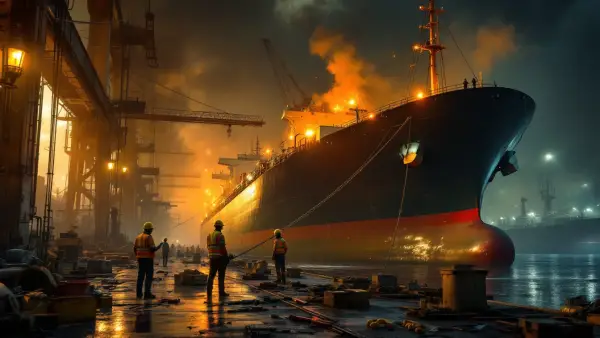
G7’s ban on Russian oil tankers aims to choke Moscow’s export route but exact figures on enforcement remain unclear. The G7 introduced the ban in 2025, targeting vessels transporting Russian crude on the global market.
This move is more than sanctions theater—it's an attempt at systemic pressure on Russia’s oil logistics. But the real question is how enforcement and alternative supply chains undermine this blockade's leverage.
Countries that can’t enforce chokepoints risk sanction fatigue and diminished impact.
Why The Conventional Sanction Model Overlooks Shipping Network Complexity
Exports bottlenecked by tanker bans is the classic economic chokehold. Analysts see this as a straightforward supply cut. They miss the constraint repositioning hidden in global tanker control.
Unlike direct trade bans, sanctioning tankers depends on monitoring a vast, opaque maritime system. This differs from other friction points like currency control or pipeline blockades, which rely on fewer nodes.
Linking this to internal leverage analysis, see Why S&P’s Senegal Downgrade Actually Reveals Debt System Fragility for how network vulnerabilities differ from conventional risk metrics.
How Russian Oil Routes Adapt Through Shipping Ecosystem Substitution
Russian exporters shift from banned tankers to hired vessels beyond the G7 zone, diluting sanction effects. This repurposing of tanker fleets parallels how OpenAI scaled ChatGPT users through platform leverage rather than direct installs (OpenAI’s approach).
Competitors to the ban strategy include indirect supply chain logging, like brokers or intermediaries in non-G7 countries that inject oil into other networks. The ban’s leverage falters because it cannot automate enforcement across these global loopholes.
Why Enforcement Breakdown Is The Overlooked Leverage Constraint
Ban enforcement relies on cooperation among shipping registries, insurance firms, and port states. Without this, Russian oil flows circumvent constraints smoothly.
This echoes leverage failures exposed in tech layoffs, where failure to control key organizational nodes ended scaling prematurely (Leverage failures in tech).
Effective sanction leverage requires automating choke points, not relying solely on policy declarations. The failure to systematize oversight creates enforcement gaps that diminish sanction potency.
What This Means for Global Supply Chain Leverage and Future Sanctions
The constraint unlocking stronger leverage is automated, multilateral enforcement integrated in shipping and finance infrastructures. Entities mastering this control wield outsized geopolitical power.
Countries with advanced maritime monitoring, capability to blacklist ships, and insurance cutoffs can operationalize this leverage. G7 must evolve beyond bans into real-time constraint management to realize the bite its sanctions promise.
Geopolitical leverage favors those who control enforcement systems, not just policy instruments.
Related Tools & Resources
For businesses involved in manufacturing and supply chain management, adapting to geopolitical shifts is crucial. MrPeasy offers a robust ERP solution that can help manufacturers streamline operations and enhance inventory control, ensuring they remain agile in the face of global changes affecting oil routes and logistics. Learn more about MrPeasy →
Full Transparency: Some links in this article are affiliate partnerships. If you find value in the tools we recommend and decide to try them, we may earn a commission at no extra cost to you. We only recommend tools that align with the strategic thinking we share here. Think of it as supporting independent business analysis while discovering leverage in your own operations.
Frequently Asked Questions
What is the G7’s Russian oil tanker ban introduced in 2025?
The G7’s ban, introduced in 2025, targets vessels transporting Russian crude on the global market to restrict Moscow’s oil exports and exert systemic pressure on Russia’s oil logistics.
Why is enforcement of the G7 oil tanker ban challenging?
Enforcement is complicated due to the vast and opaque maritime system requiring cooperation among shipping registries, insurance firms, and port states. Lack of automated enforcement creates gaps allowing Russian oil to bypass sanctions.
How do Russian exporters adapt to the tanker ban?
Russian exporters shift from banned tankers to hired vessels outside the G7 zone and use intermediaries in non-G7 countries, diluting sanction effects and bypassing the ban’s constraints.
What makes the conventional sanction model less effective for shipping?
The sanction model overlooks the complexity of the global shipping network, differing from simpler chokepoints like currency or pipeline controls. Monitoring thousands of vessels is more challenging, weakening leverage.
What is needed to improve sanction leverage on Russian oil exports?
Effective leverage requires automated, multilateral enforcement integrated into shipping and financial infrastructures, including maritime monitoring, ship blacklisting, and cutting insurance coverage.
How does enforcement breakdown affect sanction impact?
Enforcement breakdown allows Russian oil flows to circumvent restrictions smoothly, reducing sanction potency. Without systematized oversight, sanction leverage falters and leads to sanction fatigue.
What broader implications does the tanker ban enforcement have?
The ban highlights that geopolitical leverage favors those controlling enforcement systems, not just policy. Countries mastering enforcement infrastructures can wield outsized geopolitical power.
How can manufacturers adapt to geopolitical shifts affecting oil logistics?
Manufacturers can improve agility by adopting ERP solutions like MrPeasy, which streamline operations and inventory control to better manage supply chain disruptions caused by geopolitical sanctions.