
Why GE Vernova's 80GW Gas Turbine Contracts Signal Energy Shift

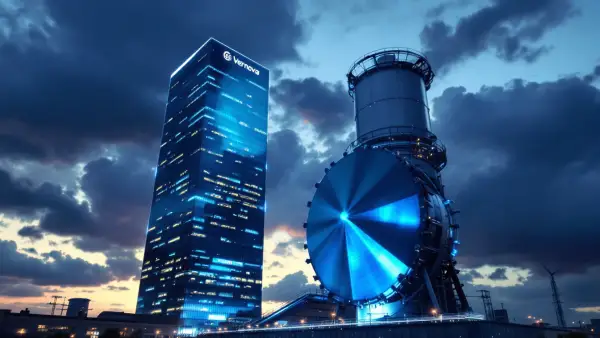
Global demand for gas turbines is surging amid the energy transition, with contracts expected to hit 80 gigawatts by the end of 2025. GE Vernova announced this milestone after securing these contracts within the year, signaling a strategic pivot for traditional energy infrastructure. But this is not just capacity growth—it's a calculated repositioning of legacy assets into flexible power solutions. Owning the bridge between fossil and renewable energy defines future grid dominance.
Why Gas Turbine Growth Defies Renewable Optimism
Conventional views paint gas turbines as obsolete fossil relics destined for decline. Analysts often frame GE Vernova’s surge as a stopgap against grid instability. Yet, this interpretation misses how modular gas turbines offer unmatched operational flexibility compared to renewables alone.
This reframes the constraint: the intermittency of wind and solar capacity must be counterbalanced. Traditional narratives ignore the leverage in rapid ramping capability that modern turbines provide. See how this contrasts with energy laggards still reliant on inflexible coal plants here.
Complex Contracts Reflect Sophisticated Grid Strategy
GE Vernova’sGE Vernova exploits systems automation to dynamically dispatch gas power when solar and wind falter.
Competitors like Siemens Energy and Mitsubishi Power lag in marrying turbine hardware to grid software, sacrificing operational leverage. This is the difference between selling turbines and owning grid-adaptive energy platforms. Contrast this with how OpenAI scaled ChatGPT through strategic platform integration.
Turning a Carbon Constraint Into a Strategic Pivot
Regulatory and carbon reporting requirements emerge as constraints forcing turbine innovation—not elimination. GE Vernova embeds emissions-reducing tech and hybrid turbine designs, unlocking permits unavailable to competitors with legacy systems.
Saudi Arabia’s recent power deals showcase a geographic example where turbines serve not as stranded assets but as flexible baseload, enabling massive renewable project feasibility. This public-private leverage explains why some energy hubs move differently. See parallels with operational shifts in USPS pricing.
What Energy Operators Must Watch Next
The real constraint has shifted from simply building capacity to orchestrating grid agility through system design. Operators in emerging markets and heavy industry need to rethink turbines as digital-first assets, not hardware liabilities.
For executives, the imperative is clear: securing flexible, grid-integrated power systems yields leverage impossible through pure renewables or fossil plants alone. This move by GE Vernova exposes a systemic advantage others will scramble to match.
Owning transitional infrastructure controls how the future energy economy compounds value.
Related Tools & Resources
As companies like GE Vernova navigate the complexities of integrating gas turbines with modern grid systems, having a robust manufacturing management solution is essential. MrPeasy can streamline operations and improve production efficiency for manufacturers pivoting towards more flexible energy solutions, ensuring that they remain ahead in this rapidly evolving market. Learn more about MrPeasy →
Full Transparency: Some links in this article are affiliate partnerships. If you find value in the tools we recommend and decide to try them, we may earn a commission at no extra cost to you. We only recommend tools that align with the strategic thinking we share here. Think of it as supporting independent business analysis while discovering leverage in your own operations.
Frequently Asked Questions
What is the significance of GE Vernova's 80GW gas turbine contracts?
GE Vernova’s 80 gigawatts of gas turbine contracts, expected to be completed by the end of 2025, represent not just volume growth but a strategic shift towards flexible, digital-integrated power solutions bridging fossil and renewable energy sources.
How do gas turbines complement renewable energy sources like wind and solar?
Gas turbines offer rapid ramping capabilities that balance the intermittency of wind and solar energy, enabling grid stability and operational flexibility that pure renewables currently lack, making them essential for a reliable energy transition.
Why are gas turbines considered more flexible than coal plants in the energy transition?
Unlike inflexible coal plants, modern modular gas turbines can quickly adjust output to grid demands and integrate with digital controls, allowing dynamic dispatch of power during renewable intermittency and improving overall grid agility.
How is GE Vernova incorporating emissions reduction technology in their turbines?
GE Vernova integrates emissions-reducing technology and hybrid turbine designs to meet regulatory and carbon-reporting constraints, enabling operation permits and maintaining competitiveness in a carbon-constrained energy market.
How do GE Vernova’s contracts compare with competitors like Siemens Energy and Mitsubishi Power?
GE Vernova leads by integrating turbine hardware with advanced grid software automation, whereas competitors Siemens Energy and Mitsubishi Power lag in this digital integration, limiting their operational leverage and flexibility.
What role do gas turbines play in emerging energy markets like Saudi Arabia?
In regions like Saudi Arabia, gas turbines act as flexible baseload power that supports large renewable projects by providing dependable backup power, demonstrating a strategic public-private leverage that moves energy hubs toward sustainability.
What should energy operators focus on next regarding gas turbines?
Operators should view gas turbines as digital-first, flexible assets vital for grid agility rather than just hardware. Securing grid-integrated power systems offers leverage that pure renewables or fossil plants alone cannot provide in the evolving energy economy.
How can manufacturers support the shift towards flexible energy solutions?
Manufacturers can streamline operations and enhance production efficiency by adopting robust manufacturing management solutions like MrPeasy, which supports transitioning to flexible energy technologies as exemplified by GE Vernova’s strategic pivot.