
Why GM’s Indiana Truck Boost Reveals Tariff Leverage Dynamics

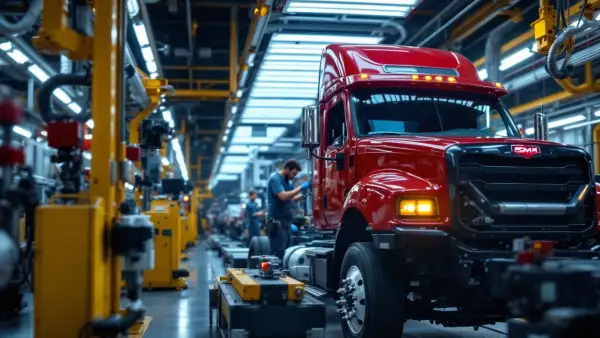
Tariffs have historically pushed manufacturers to reconsider where they produce. GM is increasing truck production in Indiana as a direct response to tariffs implemented under former President Trump. This move isn't just about cost shifts—it's a strategic repositioning within a complex tariff landscape.
GM's decision to relocate or scale production in Indiana reveals the power of geographic leverage in manufacturing supply chains. Companies that control production location optimize around tariffs and labor costs to build compounding competitive advantages. Tariffs aren’t just tax policy, they reshape industrial ecosystems permanently.
Rethinking Tariffs: Constraint, Not Just Cost
Conventional wisdom sees tariffs as simple price hikes that increase supply chain cost. Analysts often focus narrowly on margin erosion and final product prices. They miss how tariffs serve as explicit constraints that force firms to reposition entire production systems.
This applies to GM's truck lines: rather than absorbing costs or passing them on, GM restructures production capacity geographically to bypass avoidable tariff exposure. It's a clear case of constraint repositioning, where the systemic choice of plant location creates leverage without ongoing cost drag.
How Indiana Outmaneuvers Competitors
Indiana offers GM a ready-made ecosystem with skilled labor, logistics hubs, and favorable regulatory environment. This contrasts with competitors still reliant on tariff-vulnerable regions. For example, rivals producing heavily across the US-Mexico border face fluctuating costs with each tariff update.
By increasing truck production in Indiana, GM turns fixed infrastructure, local supplier relationships, and labor specialization into a compounding advantage. Unlike competitors who pay recurring tariff fees or scramble supply chains, GM locks in cost predictability and operational stability.
This approach aligns with principles seen in military production surges and semiconductor manufacturing investments—where critical constraints must be internalized rather than externalized.
Tariffs as a Lever for Structural Advantage
The underlying constraint changed here: tariffs are no longer just expenses, but strategic levers that reshape supply networks. GM understands that production location is a system that compounds benefits beyond simple cost savings.
Executives and operators should watch how tariff-driven production shifts create entrenched regional advantages. Moving capacity into Indiana boosts workforce leverage and logistic throughput—two invisible assets that pay dividends over years.
As tariffs evolve globally, manufacturers with nimble geography strategies will magnify returns and deter rivals locked in less adaptable models. Tariffs force operators to architect systems, not just cut costs.
“Tariffs don’t just tax products; they rewrite competitive maps.”
Related Tools & Resources
As GM navigates the complexities of production shifts and tariff strategies, manufacturers can benefit from streamlined operations with tools like MrPeasy. This manufacturing ERP solution can help businesses optimize production planning and inventory control, ultimately turning tariff challenges into strategic advantages. Learn more about MrPeasy →
Full Transparency: Some links in this article are affiliate partnerships. If you find value in the tools we recommend and decide to try them, we may earn a commission at no extra cost to you. We only recommend tools that align with the strategic thinking we share here. Think of it as supporting independent business analysis while discovering leverage in your own operations.
Frequently Asked Questions
Why is GM increasing truck production in Indiana?
GM is boosting truck production in Indiana as a direct response to tariffs implemented under former President Trump. This allows GM to reposition production geographically and avoid tariff exposure, gaining cost predictability and operational stability.
How do tariffs influence manufacturing location decisions?
Tariffs create constraints that go beyond simple cost increases. Manufacturers like GM optimize production locations to bypass or minimize tariff impacts, turning geographic flexibility into a strategic advantage.
What advantages does Indiana offer GM over other regions?
Indiana provides GM with a skilled labor force, established logistics hubs, and a favorable regulatory climate. This ecosystem helps GM compound competitive advantages that competitors reliant on tariff-vulnerable locations cannot match.
What is meant by "constraint repositioning" in manufacturing?
Constraint repositioning refers to strategically shifting production capacity to locations that minimize constraint impacts like tariffs. GM's move to Indiana exemplifies this by internalizing tariff constraints into the production system for leverage without ongoing cost drag.
How do tariffs reshape industrial ecosystems according to the article?
Tariffs act as structural levers that force companies to redesign supply networks, creating entrenched regional advantages. GM's Indiana truck boost illustrates how tariffs can permanently alter competitive manufacturing maps.
What industries show similar strategic production shifts due to constraints?
The article cites military production surges and semiconductor manufacturing investments as examples where companies internalize critical constraints by shifting production strategically, similar to GM’s tariff-driven relocation to Indiana.
How can manufacturers use ERP solutions like MrPeasy to handle tariff challenges?
ERP solutions such as MrPeasy help manufacturers optimize production planning and inventory control. Such tools enable businesses to transform tariff-related challenges into strategic operational advantages.
What long-term benefits does GM gain by boosting production in Indiana?
GM gains long-term benefits like workforce leverage and improved logistic throughput. These invisible assets generate compounding advantages over years, enhancing operational stability and deterring less adaptable competitors.