
Why Hong Kong and Singapore Embrace Flex Offices Amid Multinational Shifts

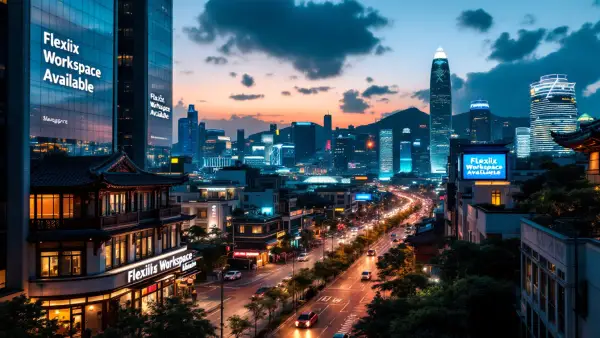
Asia-Pacific flex offices now count global companies as 41% of users, nearly triple North America’s 14%. Hong Kong and Singapore landlords are seating this shift, allocating more space to flexible office operators in 2025. But this isn’t about short-term rentals—it’s about restructuring real estate risk profiles around long-term multinational demand. “Shaping space demand redefines landlord leverage over decades,” says one industry expert.
Why Conventional Wisdom Misreads Flex Office Growth
Investors often view flex office expansion as a cost-cutting move reacting to post-pandemic uncertainty. They miss that it’s a systematic constraint repositioning. Unlike traditional leasing, flex office allocations shift the risk from landlords to operators managing global client portfolios.
This mechanism quietly reshapes market stability. Similar misreads happened in tech layoffs revealing leverage failures. Landlords in Hong Kong and Singapore aren’t shrinking; they’re repositioning risk and capture engines by partnering with global flex operators.
Multinationals as Anchor Clients Change the Game
The pivot in Asia-Pacific flex user profiles is dramatic. With 41% multinational occupants, landlords gain stable, recurring demand from global firms with complex geographic needs. This differs from reliance on local startups or freelancers common in North America or Europe.
Singapore landlords like CapitaLand and Hong Kong’s Kerry Group are locking in longer revenue streams by dedicating up to 30% of office space to flexible use. This undercuts volatility and acquisition costs typical in these markets, generating compounding returns without constant rehiring or tenant pursuit.
Unlike conventional leasing, this system leverages operators’ agility to serve multinational clients without landlords managing day-to-day use. Compare that with markets where landlords must spend $8-15 per desk install on customer acquisition, as in flexible workspace competitors like WeWork.
This Shift Unlocks New Strategic Constraints and Scalability
The key constraint flipped is risk exposure. By partnering with flex operators who aggregate demand internationally, landlords sidestep vacancies tied to local economic swings. This model scales because the operator system optimizes space usage dynamically, requiring less human intervention from landlords.
Dynamic work charts in flex office operations use real-time occupancy data, aligning supply with shifting multinational teams. This creates a self-reinforcing loop, increasingly hard for traditional landlords to replicate without these systems.
Globally, Hong Kong and Singapore prove flex offices are no fad—they’ve become critical levers in a city’s global competitiveness toolkit, shifting a landlord’s role from space owner to strategic platform.
Why Operators and Investors Must Watch Asia-Pacific's Flex Evolution
The sector’s constraint has moved from space scarcity to flex operator ecosystem strength. Multinational corporations’ growing flex demands force landlords to reposition their asset strategies or lose access to premium clientele.
This development foreshadows replicable models for global financial hubs like London and New York, where space utilization and risk management are critical. Investors ignoring this operator-landlord symbiosis will miss the structural leverage driving Asia-Pacific’s real estate frontier.
“Renting flex space with multinational demand assets future-proofs income streams and upends legacy real estate leverage,” notes a market strategist.
Related Tools & Resources
For landlords and operators adapting to the evolving landscape of flexible office spaces, leveraging tools like Ten Speed can streamline marketing operations and enhance workflow efficiency. By automating resource management, you can focus more on strategic partnerships and less on daily administrative tasks, aligning perfectly with the need for agility in today’s real estate market. Learn more about Ten Speed →
Full Transparency: Some links in this article are affiliate partnerships. If you find value in the tools we recommend and decide to try them, we may earn a commission at no extra cost to you. We only recommend tools that align with the strategic thinking we share here. Think of it as supporting independent business analysis while discovering leverage in your own operations.
Frequently Asked Questions
Why are Hong Kong and Singapore increasing space for flexible office operators?
Hong Kong and Singapore landlords are allocating up to 30% of their office space to flexible office operators to capture stable, long-term demand from multinational corporations that make up 41% of flex office users in Asia-Pacific, improving revenue stability and reducing risk.
How does the flex office model change the traditional landlord risk profile?
Flex office allocations shift risk from landlords to operators who manage global client portfolios, allowing landlords to reduce vacancy risk linked to local economic swings and focus on long-term, recurring income from multinational clients.
What percentage of flex office users in Asia-Pacific are multinational companies?
Currently, 41% of flex office users in the Asia-Pacific region are multinational corporations, nearly triple the 14% seen in North America, making them critical anchor clients for landlords in markets like Hong Kong and Singapore.
How does partnering with flex office operators benefit landlords financially?
By dedicating space to flexible use, landlords secure longer revenue streams with up to 30% of office space allocated, reducing acquisition costs and volatility, while leveraging operators’ agility to manage day-to-day occupancy efficiently.
What role do dynamic work charts play in the flex office ecosystem?
Dynamic work charts use real-time occupancy data to align office supply with multinational teams' shifting needs, creating a self-reinforcing loop that optimizes space usage and is difficult for traditional landlords to replicate without technology.
Why is the growth of multinational flex office users significant for global financial hubs?
The rising multinational demand in Asia-Pacific foreshadows replicable flex office models for hubs like London and New York, helping landlords optimize space utilization and risk management amid global economic uncertainties.
What is the primary constraint driving the evolution of flex offices in Asia-Pacific?
The main constraint has shifted from space scarcity to the strength of the flex operator ecosystem, forcing landlords to reposition strategies to maintain access to premium multinational clients.
How does the flex office trend impact landlords’ operational roles?
Landlords transition from managing daily tenant relations to acting as strategic platform providers by partnering with flex operators, reducing human intervention and focusing on long-term real estate leverage.