
Why Hooters’ Bankruptcy Reveals a Broken Brand Leverage Model

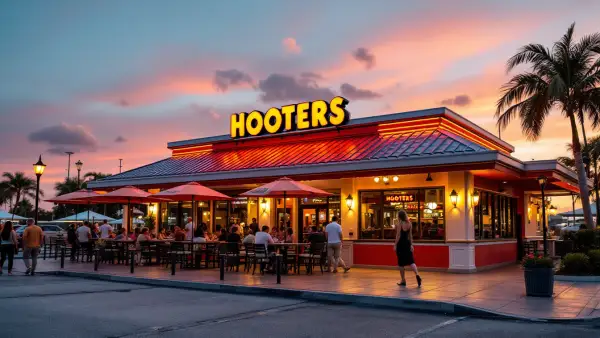
By 2025, the larger half of Hooters—a brand once synonymous with wings and a distinctive atmosphere—filed for bankruptcy after decades of expanding into casinos, airlines, and calendars. Hooters’ decline exposes how sprawling beyond original core strengths without coherent system design erodes leverage. This isn’t just a failure of sales; it’s a failure of separating brand identity from operational systems.
From its start, Hooters operated as two entities, diluting focus and creating internal complexity few noticed. The original founders now aim to revive the chain by reinstating the authentic menu, uniforms, and atmosphere that originally defined the brand in Clearwater, Florida. This move underscores a rare insight into which systems generate sustainable leverage in hospitality.
Contrary to industry tales of diversification as growth, Hooters reveals that adding unrelated businesses like airlines and casinos created unmanageable operational drag. The core leverage was never the brand’s ancillary ventures—it was the system around its original in-restaurant experience. As seen in prior brand revivals at Walmart, staying true to the original system architecture preserves compounding advantages.
Why Expansion Myths Obscure Critical Operational Constraints
Conventional wisdom celebrates brand extension into multiple sectors as a leverage multiplier. But Hooters’ trajectory shows that without system coherence, brand extensions become costly liabilities. Analysts focusing only on headline revenue growth miss the critical constraint: internal operational complexity amplified by managing divergent business models.
Instead of leveraging a unified restaurant system, Hooters spread thin over unrelated verticals, confusing customer value and operational focus. This parallels challenges in tech layoffs, where companies like OpenAI and others reveal the hidden cost of bloated organizational systems.
Restoring Core Systems Unlocks Brand Leverage
The founders’ plan to revive key original features—menu, uniforms, and atmosphere—signals an intentional constraint repositioning. By narrowing scope to what concretely drove brand loyalty, Hooters can rebuild operational simplicity and compounding customer appeal. This is a strategic leverage pivot from sprawling diversification back to a focused, replicable restaurant formula.
Competitors who rely purely on pricing or aggressive franchising miss this nuance. Unlike chains like WhatsApp expanding reach through integrated systems, Hooters must rebuild trust and distinctiveness within a single clear framework. That system operates without constant human intervention—uniform customer experience built into every restaurant, enabling scalable growth.
What Operators Must Watch Next
The key constraint changed: brand system coherence. The lesson is clear for hospitality and beyond—leverage requires tightly integrated operational design, not brand halo chasing. Hooters’ comeback hinges on executing this pivot efficiently, an endeavor requiring more than nostalgia.
Other legacy brands facing diversification fatigue can replicate this move by identifying and doubling down on their original leverage points rather than chasing marginal gains through unrelated ventures. Hooters’ story is a wake-up call: strategic focus on core systems sustains compounding advantage in volatile markets.
Related Tools & Resources
To effectively restore core systems and streamline operations as Hooters aims to do, platforms like Copla can be invaluable. By creating and managing standard operating procedures, businesses can ensure consistency and clarity in their operations, supporting the strategic focus necessary for revival and success. Learn more about Copla →
Full Transparency: Some links in this article are affiliate partnerships. If you find value in the tools we recommend and decide to try them, we may earn a commission at no extra cost to you. We only recommend tools that align with the strategic thinking we share here. Think of it as supporting independent business analysis while discovering leverage in your own operations.
Frequently Asked Questions
Why did Hooters file for bankruptcy in 2025?
Hooters filed for bankruptcy in 2025 after decades of expanding beyond its core restaurant business into casinos, airlines, and calendars. This diversification led to unmanageable operational complexity and diluted the brand's original strengths.
What caused the decline of the Hooters brand?
The decline was caused by sprawling into unrelated business sectors without maintaining a coherent operational system. This internal complexity eroded brand leverage and confused customer value, contributing to decline.
How are the Hooters founders planning to revive the brand?
The founders plan to revive Hooters by reinstating the authentic menu, uniforms, and atmosphere that originally defined the brand in Clearwater, Florida. This strategy focuses on restoring the core restaurant experience to rebuild loyalty and simplicity.
What operational mistakes did Hooters make during its expansion?
Hooters expanded into casinos, airlines, and calendars without integrating these ventures into a unified operational system. This led to increased internal complexity and operational drag, undermining overall leverage.
How does Hooters’ experience relate to other companies like Walmart or OpenAI?
Similar to Walmart's leadership focus on original system architecture for growth, Hooters failed by diverging from its core system. Like tech companies such as OpenAI facing structural leverage failures, Hooters shows the cost of bloated, incoherent systems.
What is the key takeaway for hospitality businesses from the Hooters case?
Hospitality operators must focus on system coherence and operational design rather than brand halo chasing or unrelated diversification. Hooters’ comeback depends on simplifying operations around its original leverage points for sustainable growth.
What tools can help businesses restore operational focus like Hooters intends?
Platforms such as Copla help create and manage standard operating procedures to ensure consistency and clarity in business operations. This supports the strategic focus necessary for brand revival and scaling.
How can legacy brands avoid the pitfalls experienced by Hooters?
Legacy brands should identify and double down on their original leverage points instead of pursuing marginal gains through unrelated ventures. Maintaining a tightly integrated operational system sustains compounding advantages in volatile markets.